For overseas buyers, the prospect of importing custom molds for candles from China presents a compelling opportunity to access high-quality manufacturing, innovative designs, and significant cost advantages. However, navigating this landscape to secure reliable suppliers and ensure impeccable quality requires a strategic, informed approach. This 2026 guide is designed to provide actionable, professional insights for your procurement journey, moving beyond simple directories to solve the real challenges of international mold sourcing.
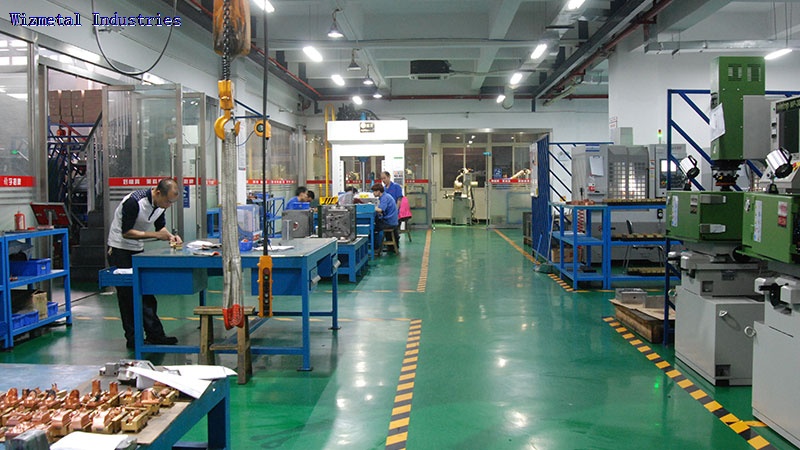
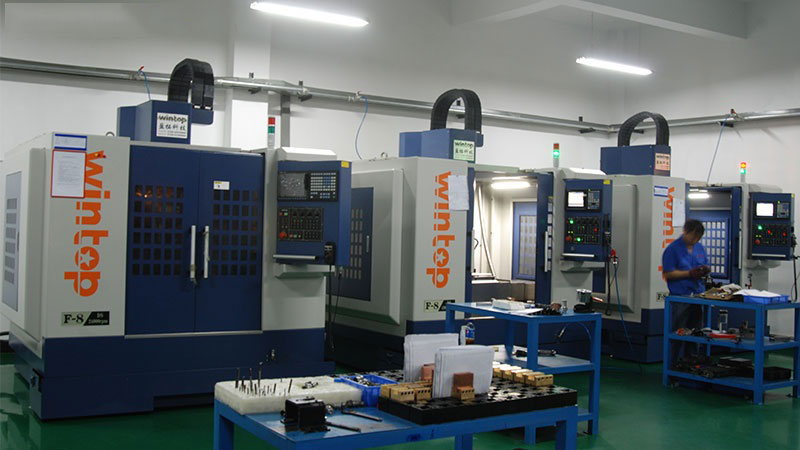
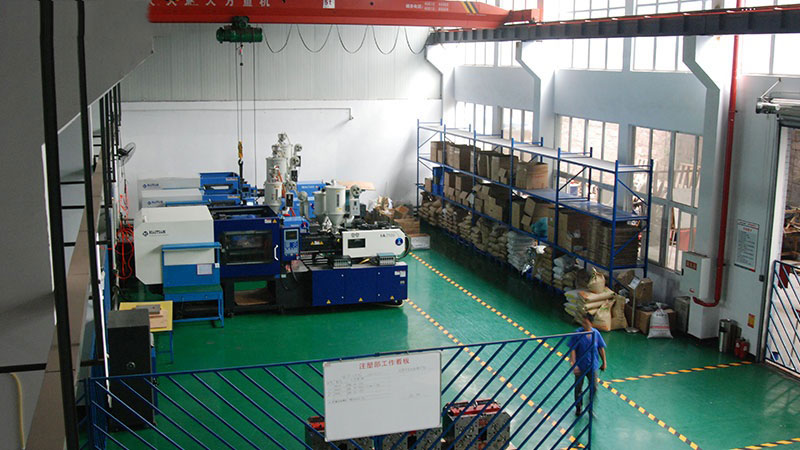
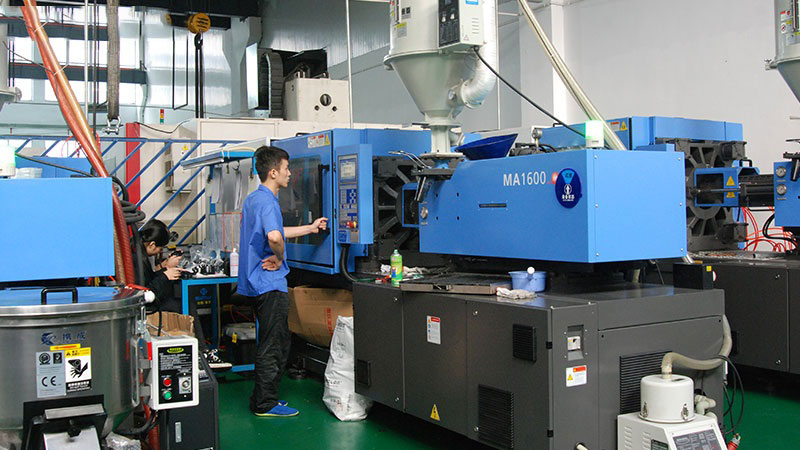
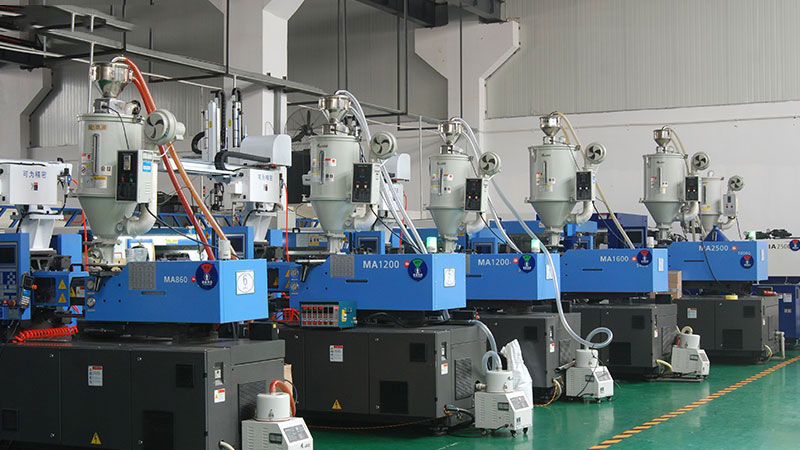
The foundation of a successful import project lies in meticulous supplier verification. The term “China mold factory” encompasses a vast spectrum, from highly automated facilities to smaller workshops. Your first task is to move beyond Alibaba listings and conduct deep due diligence. Prioritize suppliers with a proven portfolio in candle-specific molds, as expertise in materials like silicone, aluminum, or polycarbonate for candle making differs from industrial injection mold applications. Request detailed case studies and contact past international clients. Utilize video calls to conduct virtual factory tours, paying close attention to their workshop organization, machinery, and quality assurance stations. In 2026, verifying a supplier’s digital footprint, including professional websites, technical blogs, and engagement on professional platforms like LinkedIn, is as crucial as checking business licenses. This step filters out trading companies masquerading as manufacturers and aligns you with partners who understand the thermal and aesthetic requirements of candle mold production.
Once a shortlist of potential partners is established, mastering the technical and commercial discussion is paramount. Clearly communicate your design specifications, including CAD drawings, desired material (e.g., platinum-cure silicone for intricate detail, aluminum for durability), and expected production volume. A proficient China mold factory will engage in a collaborative dialogue, offering material science advice and design for manufacturability (DFM) feedback to optimize your mold for both performance and cost. Be precise in your procurement negotiations: clarify terms for unit price, mold development (NRE) costs, payment milestones (e.g., 30% deposit, 40% pre-shipment, 30% after approval), and most critically, the protocol for sampling. Insist on the production of a first article sample from the finished mold before full production begins. This sample is your tangible proof of concept and the benchmark for all future units.
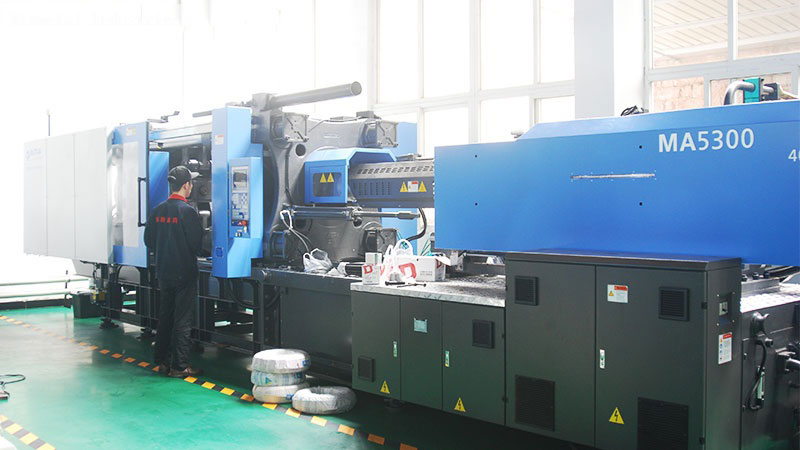
The pivotal phase that determines project success is implementing rigorous, multi-stage quality control. Proactive quality management is non-negotiable. For custom molds for candles, this begins with inspecting the master model or the first cavity for dimensional accuracy and surface finish. Partner with a third-party quality inspection firm in China to conduct inspections during production and pre-shipment (DPI). They will check for defects like air bubbles in silicone, machining marks on aluminum, or seam line alignment. For injection mold types used for plastic candle holders or components, testing the mold’s function and the first-shot articles is essential. Establish clear, measurable Acceptable Quality Limits (AQL) for the final products. Remember, quality control in 2026 is not just about rejecting bad units; it is about a collaborative process with your supplier to establish consistent standards and catch issues before they are containerized, saving significant time and cost in the long run.
Navigating logistics and fostering a long-term partnership are the final, critical steps. Understand Incoterms thoroughly; FOB (Free On Board) is common, but you must account for shipping, insurance, and import duties on your end. Ensure all product certifications, material safety data sheets (MSDS for silicone), and user care instructions are provided in English and comply with your country’s regulations. View your chosen supplier not as a one-time vendor but as a strategic partner. A successful project for custom molds for candles lays the groundwork for future designs and iterations. Transparent communication, fair dealings, and structured feedback help build this relationship. Discuss their capacity for mold storage and maintenance, as this is valuable for future re-orders.
In conclusion, importing candle molds from China in 2026 is a process defined by strategic diligence and partnership. The pathway to success involves rigorous supplier verification, clear technical procurement discussions, unwavering commitment to quality control, and strategic logistics planning. By applying these professional principles, overseas buyers can confidently tap into China’s manufacturing excellence. The goal is to transform a complex international supply chain into a reliable extension of your own business, delivering beautiful, precise, and market-ready candle products that captivate your end customers. Your diligence today in selecting the best suppliers and implementing robust quality protocols is the true mold for your brand’s future success.
Work With Us
As a professional China mold manufacturer, we provide one-stop mold solution for overseas buyers.
📞 Phone: +86-18605944639
💬 WhatsApp: +8618605944639
🌐 Website: bestmoldworks.com
📧 Email: [email protected]