Author: moldcustomization

  • custom injection molding cost: Best Suppliers & Qualit 2026

    For overseas buyers, navigating the landscape of custom injection molding in China presents a significant opportunity for cost efficiency and scale, but it also comes with well-documented challenges. The central question is rarely just about finding the lowest price; it’s about securing reliable quality at a competitive overall cost. As we look toward 2026, the market is evolving with more transparent, technologically advanced suppliers. This guide cuts through the noise to provide a strategic framework for your procurement, focusing on actionable steps to partner with the best Chinese mold factories, thereby optimizing your custom injection molding cost while safeguarding product integrity.

    The cornerstone of a successful project is selecting the right China mold factory. The term “best supplier” is not universal; it is defined by your specific needs—part complexity, volume, material, and quality standards. Begin with a multi-faceted sourcing approach. Utilize B2B platforms like Alibaba and Made-in-China, but prioritize suppliers with verified onsite audits (through third parties or past client videos). Simultaneously, attend specialized trade shows such as Chinaplas or engage with industry-specific sourcing agents. Crucially, shift your initial communication from a singular focus on price to a discussion of capability. Request detailed case studies for projects similar to yours. A competent supplier will willingly share their process for designing an injection mold for a comparable part, including how they addressed design-for-manufacturability (DFM) issues. This step filters out brokers and low-capability workshops, aligning you with factories equipped for your project’s technical demands.

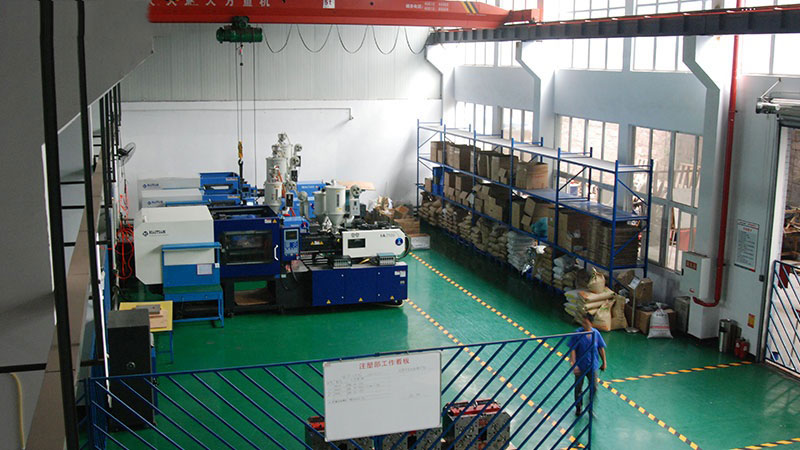
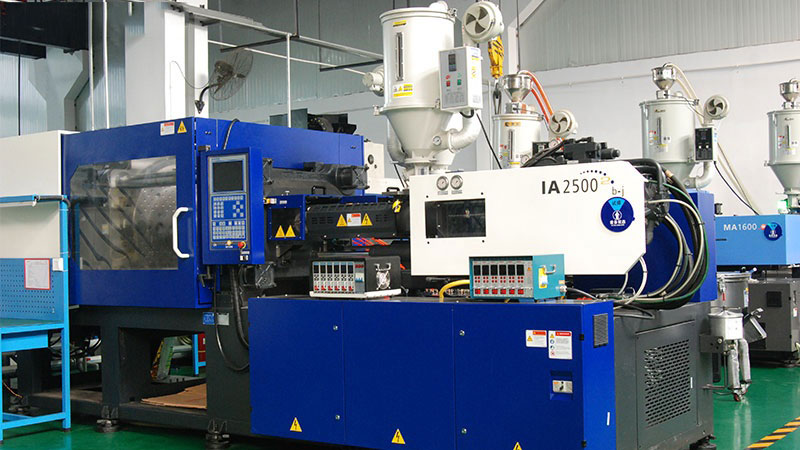
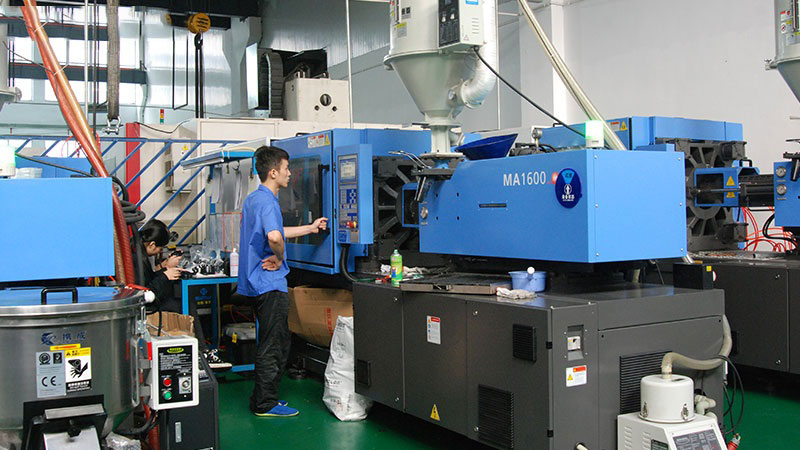
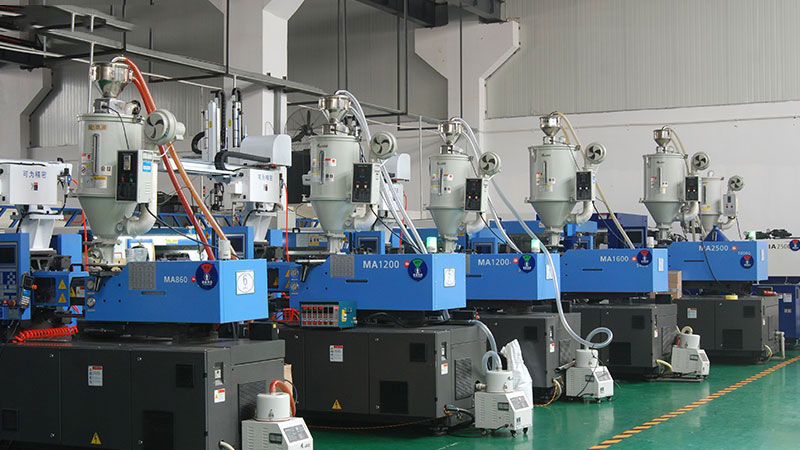
    Once you have a shortlist, rigorous supplier verification becomes non-negotiable. This due diligence is your primary risk mitigation tool. First, insist on a video conference tour of the facility. A legitimate injection mold manufacturer will readily show their CNC machining centers, EDM equipment, mold assembly areas, and injection molding presses. Look for organization, maintenance of machines, and quality control stations. Second, demand verifiable references. Contact past overseas clients directly, asking about communication, adherence to schedule, and post-delivery support. Third, analyze their quality certifications. While ISO 9001 is common, certifications specific to your industry (e.g., IATF 16949 for automotive, ISO 13485 for medical) are stronger indicators of a mature quality management system. This comprehensive verification process ensures the quoted custom injection molding cost is backed by a real and systematic production capability.

    A critical, often overlooked phase that dramatically impacts both cost and outcome is the Design for Manufacturability (DFM) review. Before the first block of steel is cut, a collaborative DFM analysis with your chosen China mold factory is essential. A professional supplier will provide detailed DFM feedback, suggesting modifications to part geometry, wall thickness, draft angles, and gate locations to simplify the mold, improve material flow, and enhance part strength. This proactive collaboration can reduce mold complexity, decrease cycle times, and minimize future defects, directly lowering your effective per-part cost. Investing time here prevents expensive mold reworks and production delays. View your supplier as a manufacturing partner in this stage; their engineering expertise should be a key factor in your selection, not just their quoted price for the injection mold.

    Effective quality control (QC) is the bridge between a well-made mold and consistent, acceptable production parts. It must be structured and multi-stage. Define clear, measurable quality standards upfront using part drawings, GD&T callouts, and signed-off samples. Your QC protocol should include: First Article Inspection (FAI) using CMM reports for the initial mold samples, in-process inspections during pre-production trials, and final random inspections before shipment. For ongoing production, consider implementing a Docking Inspection (where you or a third-party inspector checks goods at the factory before shipping) or arranging periodic audits. Many top suppliers have in-house metrology labs; verify their equipment’s calibration. By building these QC checkpoints into your contract and cost structure, you move from hoping for quality to systematically verifying it. This protects your brand and prevents the much higher cost of receiving defective goods at your warehouse.

    Finally, adopt a total cost of ownership (TCO) perspective rather than a unit price mindset. The cheapest initial quote can become the most expensive project. Analyze what is included: Are mold flow analysis, FAI reports, and sample iterations part of the quote? What are the payment terms? Who bears the cost of mold modifications? Understand the logistics and duties for shipping molds and production parts. A slightly higher quote from a supplier with a transparent process, robust engineering support, and embedded QC often yields a lower TCO. It ensures on-time delivery of quality parts, avoids production stoppages, and builds a foundation for a long-term partnership. As you plan for 2026, aligning with suppliers who demonstrate this holistic understanding of value is key to managing your overall custom injection molding cost effectively.

    Securing the optimal balance of cost, quality, and reliability from Chinese mold suppliers in 2026 requires a disciplined, investigative approach. The journey from procurement to consistent part production hinges on strategic supplier selection, thorough verification, collaborative engineering, and uncompromising quality control. By focusing on these pillars, overseas buyers can transform the perceived risks of offshore manufacturing into a definitive competitive advantage. The goal is to establish a partnership with a China mold factory that views your success as integral to their own, ensuring that your investment in an injection mold delivers value far beyond the initial price point, for years to come.

    Work With Us

    As a professional China mold manufacturer, we provide one-stop mold solution for overseas buyers.
    📞 Phone: +86-18605944639
    💬 WhatsApp: +8618605944639
    🌐 Website: bestmoldworks.com
    📧 Email: [email protected]
  • how to make custom plastic parts: Professional Buying 2026

    For product developers, engineers, and procurement specialists worldwide, the question of how to make custom plastic parts efficiently and cost-effectively often leads to one destination: China. The country’s manufacturing ecosystem offers unparalleled expertise in tooling and volume production. However, navigating this landscape requires a modern, professional approach. The strategies that worked five years ago are no longer sufficient in 2026, where digital integration, sustainability, and supply chain resilience are paramount. This guide provides a structured, actionable framework for overseas buyers to successfully partner with Chinese mold factories and secure high-quality custom plastic components.

    The foundation of any successful custom plastic part is a meticulously designed and manufactured injection mold. Your journey begins long before you issue a purchase order. Start with comprehensive design for manufacturability (DFM) analysis. A professional China mold factory will provide this service, but your preparedness accelerates the process. Supply potential partners with a complete 3D CAD model (STEP or IGES format), detailed 2D drawings with critical dimensions and tolerances clearly called out, and a comprehensive specification document. This document should cover the intended plastic material, expected annual volumes, cosmetic requirements (e.g., texture, gloss), and critical functional areas. Clear specifications prevent misunderstandings and form the basis for an accurate quotation, moving you decisively toward your goal of how to make custom plastic parts that meet exact specifications.

    Supplier verification in 2026 extends far beyond checking a business license. It involves a multi-layered due diligence process. Begin with a digital audit: scrutinize their professional website, seek out detailed case studies, and analyze their presence on industrial B2B platforms. Look for certifications like IATF 16949 for automotive or ISO 13485 for medical parts, which indicate a mature quality management system. The critical step, however, is a virtual factory tour. Insist on a live video walkthrough of the facility. Observe their machinery (e.g., CNC, EDM, injection molding machines), gauge the organization of the workshop, and ask to see their quality control lab with measuring equipment like CMMs and optical comparators. This virtual visit is indispensable for procurement professionals to assess capability and professionalism before committing.

    The procurement phase is where clarity prevents cost overruns and delays. A detailed mold and part quotation should be broken down clearly: mold base cost, cavity/core inserts, action mechanisms (sliders, lifters), surface finishing, and a per-part price for injection molding. Understand the payment terms—common structures are 50% upfront, 40% after mold trial, and 10% after mass production approval. Crucially, define the mold trial (T1) process. The factory should provide a First Article Inspection (FAI) report, dimensional measurement data, and high-resolution photos and videos of the trial parts. For initial batches, implementing pre-shipment inspections (PSI) conducted by a third-party or your appointed agent is a non-negotiable step in quality control. This hands-on verification ensures the output matches the design intent.

    Effective quality control is a continuous partnership, not a one-time event. Beyond initial inspections, establish clear Acceptable Quality Level (AQL) standards for ongoing production runs. For critical components, consider investing in fixture gauges or coordinate measuring machine (CMM) inspection programs that can be used by both the supplier and your team to validate parts consistently. Modern suppliers utilize digital quality portals where inspection reports, production schedules, and non-conformance notices are shared in real-time. This transparency is key to proactive problem-solving. Furthermore, discuss material traceability. Reputable factories should provide raw material certifications from known resin suppliers, ensuring the plastic compound meets your required mechanical and regulatory standards.

    The final stage involves logistics and building a strategic partnership. For injection molding projects, Incoterms must be explicitly agreed upon. EXW (Ex Works) is common, meaning you arrange and bear all shipping costs and risks from their factory door. For simplicity, many buyers opt for CIF (Cost, Insurance, and Freight) to a port of their choice. Work with a reliable freight forwarder experienced in handling industrial molds and plastic products. Post-project, a professional review with your supplier is invaluable. Discuss what went well and areas for improvement. A successful mold project is the start of a long-term relationship. A trusted China mold factory becomes an extension of your R&D and production team, capable of supporting future iterations and new projects, ultimately refining your mastery of how to make custom plastic parts.

    In conclusion, professional buying in 2026 is defined by digital transparency, rigorous process control, and strategic collaboration. The path to obtaining superior custom plastic parts from China is systematic: begin with impeccable design data, conduct thorough virtual supplier verification, manage procurement with precise contracts and staged payments, enforce multi-layered quality control, and solidify the relationship through professional logistics and partnership. By adopting this structured approach, overseas buyers can mitigate risks, ensure quality, and leverage the full potential of Chinese manufacturing expertise to bring innovative, high-quality plastic products to market competitively and reliably.

    Work With Us

    As a professional China mold manufacturer, we provide one-stop mold solution for overseas buyers.
    📞 Phone: +86-18605944639
    💬 WhatsApp: +8618605944639
    🌐 Website: bestmoldworks.com
    📧 Email: [email protected]
  • custom injection mold maker near me: Expert Tips & Sol 2026

    For overseas buyers, the search for a “custom injection mold maker near me” often reveals a challenging reality: high local costs, limited capacity, or extended lead times. This frequently redirects the global procurement gaze towards China, the world’s manufacturing hub for precision tooling. However, navigating the vast landscape of China mold factory options can be daunting. Successfully importing a high-quality injection mold requires a strategic, informed approach that mitigates risk and ensures value. This guide provides expert, actionable tips for 2026, designed to solve the real problems faced by international buyers in securing reliable, cost-effective custom tooling from China.

    The foundational step in your procurement journey transcends simply finding a list of suppliers. It involves a rigorous process of supplier verification and deep due diligence. Moving beyond Alibaba storefronts is crucial. Begin by verifying business licenses and export credentials. Request detailed company profiles that outline their engineering team’s expertise, machine park inventory (look for modern CNC, EDM, and CMM equipment), and specific experience in your industry, whether automotive, medical, consumer electronics, or packaging. Utilize video conferencing for virtual factory tours; a reputable supplier will readily showcase their facility. Furthermore, check for international quality standard certifications like ISO 9001:2015 and any industry-specific certifications (IATF 16949 for automotive, ISO 13485 for medical). Seeking and contacting past overseas clients for references provides invaluable, unbiased insight into a supplier’s communication, problem-solving ability, and after-sales support.

    Once a shortlist of potential partners is established, mastering the technical and commercial quotation phase is critical. A professional China mold factory will not provide a price based solely on a rough idea. They will require a comprehensive package: detailed 3D part drawings (STEP or IGS format), material specifications, expected annual volumes, and cosmetic requirements (e.g., SPI finish standards). Analyze quotations meticulously. The cheapest offer is often the riskiest, potentially indicating corner-cutting on steel quality, cooling design, or craftsmanship. Scrutinize the breakdown: mold base steel (pre-hardened vs. hardened steel like 718H or S136), cavity and core material, number of cavities, lifecycle expectations, and the inclusion of essential components like sliders, lifters, or hot runner systems. Clearly define payment terms; a standard secure structure might be 30-50% deposit, 40-60% before shipment, with 10% potentially held until sample approval. Never pay 100% upfront.

    The most significant leverage point for ensuring you receive a mold that meets specifications is implementing staged quality control throughout the manufacturing process. Do not wait until the final product is shipped. Insist on a detailed project timeline with key inspection milestones. Critical checkpoints include: a design review meeting (DFM report) before steel is cut, first article inspection after the mold base is completed, and a pre-shipment sample trial. The T1 sample trial is non-negotiable. Either travel to the factory personally or hire a trusted third-party quality inspection agency in China to witness the mold trial. They can verify part dimensions, functionality, surface finish, and cycle time against the agreed specifications. Document everything with high-resolution photos and videos. This proactive QC approach identifies and resolves issues early, preventing costly rework and delays after the mold has left the factory.

    Finally, view the procurement of your injection mold as the beginning of a partnership, not a transaction. Clear, consistent communication is the bedrock of this relationship. Establish a single point of contact on both sides who possesses both technical and language proficiency. Use collaborative tools for sharing drawings and updates. Discuss and agree upon post-sales support upfront: what is the warranty period (typically 1-2 years under normal use)? What is the process and cost for mold repair or maintenance? Will they provide spare part drawings? A reliable partner will stand behind their work and support you throughout the mold’s lifecycle. Furthermore, consider the total cost of ownership, not just the initial price. A well-built mold from a verified supplier may have a higher upfront cost but will produce higher quality parts with less downtime, saving substantial money in the long run.

    In conclusion, while the search for a “custom injection mold maker near me” may initiate your project, the strategic procurement from a specialized China mold factory offers a powerful solution for competitiveness and innovation in 2026. The path to success is built on systematic supplier verification, technical diligence in quoting, relentless staged quality control, and fostering a communicative, long-term partnership. By applying these expert tips, overseas buyers can confidently navigate the complexities of importing injection molds, transforming a perceived challenge into a definitive competitive advantage, securing not just a tool, but a foundation for product quality and manufacturing success for years to come.

    Work With Us

    As a professional China mold manufacturer, we provide one-stop mold solution for overseas buyers.
    📞 Phone: +86-18605944639
    💬 WhatsApp: +8618605944639
    🌐 Website: bestmoldworks.com
    📧 Email: [email protected]
  • silicone mold customization: Complete Procurement Guide 2026

    For overseas businesses, from artisans and food producers to industrial manufacturers, sourcing custom silicone molds represents a significant opportunity to enhance product lines and control costs. China remains the global epicenter for mold manufacturing, offering unparalleled expertise, scalability, and competitive pricing. However, navigating the procurement landscape from afar presents distinct challenges. This complete procurement guide for 2026 is designed to demystify the process, providing you with a professional, step-by-step framework to successfully import high-quality, custom silicone molds from China, mitigating risks and ensuring a smooth partnership.

    Mastering Supplier Verification and Selection

    The foundation of a successful import project is a reliable China mold factory. In 2026, verification goes beyond a simple website check. Start with in-depth due diligence: demand business licenses, and insist on video tours of their facility. A professional supplier should readily show their workshop, mixing rooms, and quality control areas. Scrutinize their portfolio for projects similar in complexity and industry to yours—be it for concrete, resin, chocolate, or industrial components. Utilize B2B platforms but prioritize direct communication via professional channels. Crucially, assess their communication proficiency and technical responsiveness. A partner who asks detailed questions about your intended use, temperature requirements, Shore hardness, and expected lifecycle is investing in the project’s success, reducing costly errors from the outset.

    Navigating the Technical Specification and Quotation Phase

    Clarity is currency when discussing **silicone mold customization**. Providing vague ideas leads to misinterpretation and unsatisfactory results. Prepare a comprehensive package including: detailed 2D drawings or 3D CAD files (STEP or IGS formats are preferred), clearly specified dimensions and tolerances. Define the silicone type (e.g., platinum-cure for food safety, tin-cure for general purpose), required Shore hardness (A-scale), and any special properties like high tear strength or heat resistance. Specify the master model material if you are providing one, or clarify if the supplier needs to create a master, often using an injection mold for a plastic positive. During quotation analysis, be wary of prices that seem too good to be true. Break down quotes to understand costs for materials, labor, tooling (for master creation), and sampling. A transparent China mold factory will explain cost drivers, allowing for informed value engineering discussions.

    Implementing Rigorous Pre-Production Quality Control Protocols

    The sampling stage is your most critical risk mitigation point. Never skip it. Upon receiving pre-production samples, conduct rigorous testing that mirrors real-world conditions. This includes checking dimensional accuracy against your drawings, assessing surface finish for defects like bubbles or imperfections, and performing lifecycle tests (e.g., number of casts before degradation). For food-grade molds, request material certifications like FDA or LFGB compliance. Establish clear Acceptable Quality Level (AQL) standards with your supplier for the full production run. Discuss and agree upon the inspection process: will you hire a third-party inspection agency for pre-shipment inspections, or will the supplier provide detailed inspection reports with photographs? Defining these protocols upfront aligns expectations and prevents disputes later.

    Managing Logistics, Customs, and Long-Term Partnership

    Understanding the complete landed cost is essential for accurate budgeting. Work with your supplier to determine optimal packaging—silicone molds can be heavy, so packaging must protect against deformation without excessively increasing volumetric weight. Decide on Incoterms (e.g., FOB, EXW, CIF) that clearly delineate responsibilities and costs between you and the supplier. For your first order, consider using a freight forwarder experienced in handling molded goods. They can advise on HS codes, ensure proper documentation, and navigate customs clearance in your country. View successful procurement as the start of a partnership. A reliable supplier for your **silicone mold customization** needs is a strategic asset. Provide constructive feedback, discuss future projects, and consider a long-term agreement for better pricing and priority service. This collaborative approach fosters trust and can lead to joint innovation in mold design and performance.

    Conclusion

    Importing custom silicone molds from China in 2026 is a process that rewards diligence, clear communication, and strategic planning. By methodically verifying suppliers, defining technical specifications with precision, enforcing stringent quality control during sampling, and understanding the logistics chain, overseas buyers can transform a complex international procurement challenge into a streamlined and highly advantageous operation. The goal is to move beyond a transactional relationship to build a collaborative partnership with a China mold factory that understands your vision and quality requirements. With this actionable guide, you are equipped to navigate the market confidently, securing not just a product, but a reliable supply chain partner for your creative or manufacturing endeavors.

    Work With Us

    As a professional China mold manufacturer, we provide one-stop mold solution for overseas buyers.
    📞 Phone: +86-18605944639
    💬 WhatsApp: +8618605944639
    🌐 Website: bestmoldworks.com
    📧 Email: [email protected]
  • plastic injection mold factory China: Professional Buy 2026

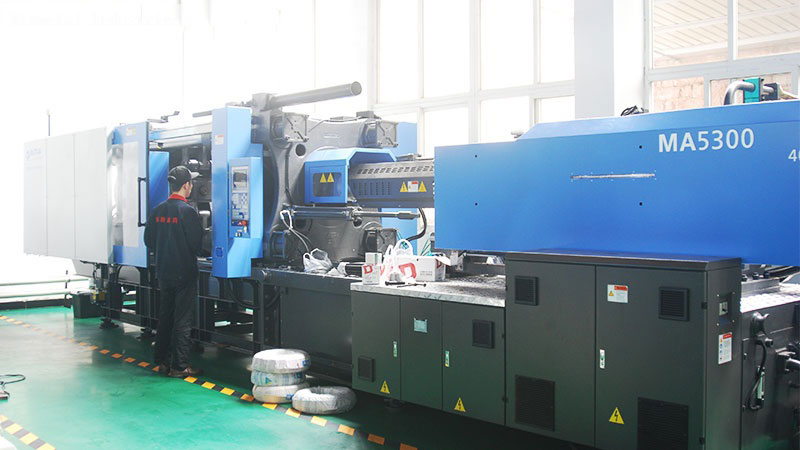
    For overseas buyers, sourcing a plastic injection mold factory in China remains a strategic move to achieve significant cost savings, access advanced manufacturing capabilities, and accelerate product development. However, the landscape is evolving rapidly. The approach that worked in 2020 is insufficient for 2026. Success now hinges on a more sophisticated, verification-heavy, and partnership-oriented strategy. This guide cuts through the noise to provide actionable, professional insights for navigating the Chinese mold manufacturing sector in the coming year, ensuring your procurement process is efficient, secure, and yields high-quality results.

    The foundation of a successful import project is rigorous supplier verification. Moving beyond Alibaba listings and basic website checks is non-negotiable. Start with a deep-dive into the factory’s core competencies. Do they specialize in your mold type—high-precision medical, large automotive, or multi-cavity consumer goods? Request and scrutinize a detailed portfolio with case studies, not just glossy images. For 2026, leverage technology: insist on a live video tour of the facility. This verifies the existence and scale of CNC, EDM, and CMM equipment. Crucially, ask for references from their existing overseas clients, particularly in your region. A credible plastic injection mold factory in China will be transparent. Furthermore, verify business licenses through third-party platforms and check for international quality management system certifications like IATF 16949 for automotive or ISO 13485 for medical devices. This initial, thorough vetting filters out trading companies and under-equipped workshops, saving immense time and risk later.

    Once a potential partner is identified, mastering the technical and commercial quotation process is critical. A professional mold factory will request a comprehensive package: 3D CAD files (STEP or IGS), 2D drawings with critical tolerances and surface finish specifications, material selection for both the mold and the final part, and expected annual volumes. Be wary of quotes that are suspiciously low; they often signal corner-cutting on steel quality, heat treatment, or craftsmanship. Instead, demand a breakdown that includes mold base steel brand (e.g., LKM, HASCO), cavity and core steel grade (e.g., S136, 718H), details of surface treatments (nitriding, hard chrome plating), and the lifetime guarantee in number of shots. Clarify all payment terms—a standard 50% deposit with 50% before shipment is common, but milestones can be negotiated. Ensure the quote explicitly includes DFM (Design for Manufacturability) feedback, which is a sign of an engineering partner, not just a machine shop.

    Proactive and structured quality control is the single most important factor in preventing costly failures. Do not assume quality; inspect it at defined stages. Mandate a First Article Inspection (FAI) process. This should include a pre-production check of the mold itself, measuring critical dimensions and verifying steel hardness. The most critical phase is the Trial Run Report (TTR). Require high-resolution photos and videos of the trial shots from multiple angles. The factory must provide a detailed report with measured part dimensions against your CAD data, along with Cpk data for critical features if applicable. For high-value projects, engaging a local third-party quality inspection firm for an on-site Pre-Shipment Inspection (PSI) during the trial run is a wise investment. They can objectively verify the mold performance and part quality before the mold is packed. This layered QC approach shifts the dynamic from reactive problem-solving to proactive validation, ensuring the injection mold meets all specifications before it leaves China.

    The logistics and post-sales support phase is where many buyers encounter unexpected challenges. Discuss and agree on packaging specifications upfront—proper wooden crates with waterproofing and shock-absorbing materials are essential for protecting a precision-engineered asset. Understand the Incoterms 2020 thoroughly; FOB Shanghai gives you control over shipping and insurance, while EXW requires you to manage the entire inland and export process. Ensure all documentation—commercial invoice, packing list, bill of lading, and certificate of origin—is accurate and provided promptly. Crucially, negotiate post-sales support terms before the contract is signed. What is the warranty period? How are repair or modification costs handled? A professional China mold factory will offer clear terms for handling wear and tear or damage during production. Establish a protocol for communication and technical support after the mold is installed in your injection molding facility, whether locally or elsewhere.

    Looking ahead to 2026, the most successful partnerships will leverage digital integration and clear intellectual property protection. Forward-thinking mold factories are adopting digital project management platforms that provide real-time access to design reviews, machining progress photos, and inspection reports. Seek partners who offer this transparency. Simultaneously, protect your IP legally and practically. While an NNN Agreement (Non-Use, Non-Disclosure, Non-Circumvention) is more enforceable in China than a standard NDA, practical steps are equally important. Control access to your full design data by releasing only necessary layers for quotation and manufacturing. Consider splitting core and cavity manufacturing if the design is highly sensitive. A trustworthy supplier understands these concerns and will work within your security framework.

    Importing an injection mold from China in 2026 demands a professional, diligent, and collaborative approach. The cost advantage is still significant, but it must be pursued with strategic rigor. By implementing a systematic process of supplier verification, detailed technical procurement, staged quality control, and careful logistics planning, you transform a complex overseas purchase into a reliable supply chain advantage. The goal is to move beyond a transactional purchase to build a relationship with a competent plastic injection mold factory in China that acts as a true extension of your engineering team. This partnership will not only deliver a precision tool but also provide the support necessary for successful high-volume production for years to come.

    Work With Us

    As a professional China mold manufacturer, we provide one-stop mold solution for overseas buyers.
    📞 Phone: +86-18605944639
    💬 WhatsApp: +8618605944639
    🌐 Website: bestmoldworks.com
    📧 Email: [email protected]

  • custom injection mold maker: Expert Tips & Solutions 2026

    Importing custom injection molds from China remains a strategic move for businesses worldwide seeking competitive manufacturing advantages. However, the landscape is evolving. As we look toward 2026, the process demands more than just finding a low quote. Success hinges on a refined approach to supplier verification, technical collaboration, and quality assurance. This guide provides actionable, forward-looking solutions for overseas buyers to navigate these complexities and build a profitable partnership with a reliable China mold factory.

    The cornerstone of a successful import project is the initial selection and verification of your injection mold supplier. In 2026, basic website checks are insufficient. Begin with a multi-layered verification process. First, utilize professional third-party verification services to confirm business licenses, registered capital, and physical factory addresses. Next, move beyond standard factory tour videos. Request a live video call where you can direct the camera to specific areas: the mold design department, the CNC and EDM machining centers, and, crucially, the quality control station with its measurement equipment. Ask to see current projects at a similar scale to yours. A reputable custom injection mold maker will be transparent. Simultaneously, conduct a thorough procurement dialogue by requesting detailed quotations that break down costs for design, materials, steel hardness, cavity numbers, cooling design, and post-molding services like sampling. This depth separates commodity workshops from true partners.

    Once a potential supplier is shortlisted, mastering the technical and commercial negotiation phase is critical. The focus must shift from just price per mold to total cost of ownership. Clearly define and agree upon all specifications in a comprehensive Technical Agreement. This document should cover everything from mold steel grade and hardness to surface finish, tolerances, cycle time targets, and gate type. For 2024 and beyond, explicitly discuss sustainability practices, such as the supplier’s policy on material traceability and energy-efficient mold design, which can affect your own corporate responsibilities. Furthermore, establish a transparent payment schedule linked to clear milestones—for example, 30% upon order, 40% after T1 sample approval, and 30% before shipment. This protects both parties and aligns incentives with project progress. A professional China mold factory expects and respects such structured engagements.

    Proactive quality control integrated throughout the manufacturing journey is non-negotiable. Do not wait for the finished mold to begin inspections. Implement staged quality checkpoints. Require and review first article inspection reports for critical components like mold cores and cavities. Insist on pre-shipment sampling where you receive actual injection-molded parts from the production mold, not just hand-made prototypes. For high-value projects, consider hiring a local third-party quality inspector to conduct an on-site audit during the final assembly and testing phase. This inspector can verify dimensions, material conformity, and mold functionality against your agreed specifications. This step, while an added cost, prevents costly delays and rework after the mold has arrived at your facility. Effective quality control transforms your procurement from a hopeful transaction into a managed engineering project.

    The final phase, encompassing logistics, intellectual property, and long-term partnership, defines the enduring value of your sourcing decision. Ensure your contract includes clear terms for intellectual property protection, stating that all design and tooling rights remain your property. Plan logistics with your supplier: understand Incoterms thoroughly—FOB is common, but you must account for shipping, insurance, and import duties. Discuss mold maintenance and support; a reliable supplier will offer guidance on maintenance schedules and provide spare part lists. As you look to 2026, view your chosen custom injection mold maker not as a one-time vendor but as a strategic extension of your manufacturing capability. A successful first project paves the way for faster turnaround on future molds, collaborative design for manufacturability improvements, and more responsive support, ultimately yielding a significant competitive edge in your market.

    Importing injection molds from China in the current climate requires a blend of diligent verification, technical clarity, and quality vigilance. By adopting these expert tips and structured solutions, overseas buyers can significantly mitigate risks and unlock the true value proposition of Chinese mold manufacturing. The goal is to move beyond price-based selection to partnership-based procurement. A meticulously chosen China mold factory becomes a cornerstone for innovation, efficiency, and scalability. As you plan your projects for 2026 and beyond, let this professional, problem-solving framework guide you to a successful and profitable import experience.

    Work With Us

    As a professional China mold manufacturer, we provide one-stop mold solution for overseas buyers.
    📞 Phone: +86-18605944639
    💬 WhatsApp: +8618605944639
    🌐 Website: bestmoldworks.com
    📧 Email: [email protected]

  • oem plastic injection mold supplier: Professional Buy 2026

    For overseas buyers, the decision to import molds from China remains one of the most impactful strategies for achieving cost efficiency and scaling production. However, the landscape of sourcing is evolving rapidly. As we look toward 2026, professional procurement is no longer just about finding the lowest quote; it’s about building strategic partnerships with capable manufacturers to ensure long-term project success, innovation, and supply chain resilience. This guide provides actionable insights for navigating the Chinese manufacturing ecosystem to secure a reliable OEM plastic injection mold supplier.

    The foundation of a successful import project lies in meticulous supplier verification. Moving beyond Alibaba listings is crucial for professional buyers. Start by conducting a deep-dive analysis of a potential China mold factory. Verify their business licenses and export credentials. More importantly, scrutinize their technical capabilities: request detailed case studies of molds they have built for overseas clients, specifically for products similar in complexity, material, and volume to your own. A true professional supplier will readily provide engineering drawings, DFM (Design for Manufacturability) reports, and even arrange virtual factory tours. Insist on speaking directly with their project engineers, not just sales representatives, to assess their technical communication skills and problem-solving approach. This step filters out trading companies and identifies factories with genuine in-house expertise.

    Once a shortlist of qualified suppliers is established, the focus must shift to a comprehensive and transparent RFQ (Request for Quotation) process. To obtain comparable and meaningful quotes, provide potential partners with an exceptionally clear and detailed package. This should include not just 3D CAD files (STEP or IGS format), but also a comprehensive specification sheet covering material type (e.g., POM, ABS, PP), expected annual volumes, cavitation requirements, surface finish specifications (SPI standards), tolerance levels, and expected mold lifecycle. For an OEM plastic injection mold supplier, this information is critical to propose the correct mold base steel (such as S136, NAK80, or P20), cooling system design, and overall build strategy. Clearly outline your expectations for project milestones, sample approval processes, and payment terms linked to tangible deliverables. This professional approach minimizes misunderstandings and sets the stage for an accurate comparison of true value, not just price.

    The most critical phase, and where many projects falter, is proactive quality control integrated throughout the mold manufacturing journey. Do not adopt a “wait and see” approach until the final sample is shipped. Engage with your chosen China mold factory to establish a structured QC protocol. This should include staged inspections with photo and video evidence: after machining of the mold base, after EDM and CNC of the cavities and cores, during the fitting and assembly stage, and most importantly, during the initial Trial Run (T1). If on-site inspection is not feasible, partner with a reputable third-party quality inspection firm based in the mold factory’s region to conduct these checks on your behalf. They can verify steel hardness, measure critical dimensions, and assess the initial sample parts against your master sample or CAD data. This ongoing oversight prevents costly rework later and ensures the final injection mold meets all specifications before it leaves the factory.

    For a partnership that extends beyond a single project, understanding and navigating logistics, intellectual property (IP) protection, and post-sales support are non-negotiable. Ensure your contract explicitly addresses IP ownership, confidentiality (via an NDA), and restrictions on the factory using your design for other clients. Regarding logistics, discuss Incoterms 2020 clearly—FOB Shanghai is common, but understand all responsibilities and costs. A professional supplier will assist with professional mold packaging (crated and desiccated) and all necessary export documentation. Crucially, discuss post-sales support: what is their policy on mold modification if your product design has a minor change? What is the warranty period on workmanship and materials? How will they handle maintenance advice or the need for spare components like lifters or cooling inserts? A reliable OEM plastic injection mold supplier views the mold delivery as the middle of the relationship, not the end.

    As we advance into 2026, the most forward-thinking buyers are also evaluating potential suppliers on their technological adoption and sustainability practices. Inquire about the factory’s capabilities in areas like conformal cooling (via 3D metal printing) for improved cycle times, their use of advanced simulation software for mold flow analysis, and their familiarity with engineering-grade plastics or biopolymers if relevant to your industry. Furthermore, environmental compliance is becoming increasingly important for global brands. Understanding a supplier’s approach to energy efficiency, waste management, and regulatory certifications can future-proof your supply chain against evolving international standards and consumer expectations.

    In conclusion, importing plastic injection molds from China in 2026 demands a professional, diligent, and partnership-oriented approach. The goal is to transition from a simple transactional purchase to a collaborative engineering venture. By rigorously verifying suppliers, communicating with precise technical specifications, implementing staged quality control, and formalizing terms for logistics and long-term support, overseas buyers can significantly de-risk their procurement process. The ultimate reward is not merely a cost-effective tool, but a high-precision, durable injection mold from a trusted China mold factory that becomes a cornerstone of your product’s quality and market success for years to come.

    Work With Us

    As a professional China mold manufacturer, we provide one-stop mold solution for overseas buyers.
    📞 Phone: +86-18605944639
    💬 WhatsApp: +8618605944639
    🌐 Website: bestmoldworks.com
    📧 Email: [email protected]

  • custom injection molding machine: Best Suppliers & Qua 2026

    For overseas buyers, procuring a custom injection molding machine from China represents a significant strategic investment to enhance manufacturing capability, reduce per-part costs, and gain production autonomy. However, the path from identifying a potential China mold factory to receiving a high-quality, reliable machine is fraught with complexity. The year 2026 brings evolved challenges and opportunities, where success hinges not just on price, but on sophisticated supplier verification and lifecycle value. This guide provides actionable, professional insights to navigate this critical procurement, ensuring your investment in a custom injection molding machine delivers long-term productivity and return.

    The foundation of a successful purchase is rigorous supplier verification, moving beyond Alibaba listings and sales promises. In 2026, the best suppliers differentiate themselves through transparency and proven track records. Start by scrutinizing the factory’s specialization. A supplier claiming expertise in micro-molding may not be ideal for large automotive panels. Request detailed case studies or video plant walkthroughs of machines in operation similar to your needs. Crucially, verify business licenses and export history. Utilize third-party verification services to check for legal disputes and confirm the entity’s legitimacy. Insist on direct communication with engineering project managers, not just sales agents, to assess their technical comprehension of your requirements for the injection mold and machine integration. This due diligence phase filters out intermediaries and identifies partners with genuine capability.

    Once a shortlist of credible suppliers is established, the focus shifts to defining and controlling specifications with absolute clarity. Ambiguity here is the primary source of cost overruns and quality failures. Develop a comprehensive Request for Quotation document that details every aspect: machine tonnage, shot capacity, platen size, screw design, energy efficiency rating (aim for all-electric or hybrid servo-driven models for 2026 standards), required precision and repeatability tolerances, and brand preferences for critical components like pumps, controllers, and screws. Explicitly state your intended materials (e.g., engineering plastics, LSR) and part geometries. Furthermore, define the post-procurement support: installation guidance, operator training availability, warranty terms, and spare parts logistics. A professional supplier will engage deeply with this document, asking clarifying questions, rather than providing an instant, low-ball quote.

    Quality control in this procurement is a multi-stage process, not a final inspection. For a custom injection molding machine, it begins with a critical design review of the machine’s build plans and component sourcing. Inquire about the origin of key subsystems; reputable manufacturers use internationally recognized components for critical parts. The most effective quality assurance tool is the Factory Acceptance Test. Before shipment, plan to visit the China mold factory or send a qualified representative to witness the FAT. Develop a test protocol with the supplier: run the machine under load, verify clamping force, check injection rate and pressure consistency, test the control system interfaces, and assess noise and safety compliance. Document everything with videos and signed reports. This step prevents the arrival of a non-conforming unit, saving immense time and cost associated with international returns or repairs.

    The final, often overlooked, strategic consideration is the total cost of ownership and future-proofing your investment. The cheapest machine price can lead to the highest long-term cost through energy inefficiency, frequent downtime, and poor part quality. In 2026, leading suppliers will offer machines with IoT capabilities for predictive maintenance and process monitoring—features that enhance operational efficiency. Evaluate the supplier’s after-sales service structure: Do they have technical support staff fluent in your language? What is the average response time for troubleshooting? Is there a local stock of common spare parts in your region? Establishing a clear service level agreement is as important as the purchase contract. A reliable partner views the sale as the start of a relationship, committed to ensuring your machine’s performance for years, thereby protecting your production line and your investment in the accompanying custom injection molding molds.

    Successfully importing a custom injection molding machine from China in 2026 demands a shift from a simple procurement mindset to a strategic partnership approach. The best suppliers are those who demonstrate engineering prowess, transparent operations, and a commitment to shared long-term success. By executing meticulous supplier verification, defining unambiguous specifications, implementing staged quality control, and planning for total lifecycle costs, overseas buyers can mitigate risks and secure a capital asset that drives competitive advantage. The goal is not merely to purchase a machine, but to reliably manufacture superior injection molded products for your market. With this disciplined framework, you can confidently engage with Chinese manufacturers and build a supply chain that is robust, efficient, and poised for the demands of the future.

    Work With Us

    As a professional China mold manufacturer, we provide one-stop mold solution for overseas buyers.
    📞 Phone: +86-18605944639
    💬 WhatsApp: +8618605944639
    🌐 Website: bestmoldworks.com
    📧 Email: [email protected]

  • tyre mould manufacturers in china: Ultimate Guide for 2026

    For automotive parts distributors, tyre manufacturers, and industry procurement specialists worldwide, sourcing high-quality, cost-effective production tools is a cornerstone of competitive business. In this global landscape, China has solidified its position as the undisputed hub for precision manufacturing, and this extends powerfully into the realm of tyre mould production. Navigating this vast and complex market, however, requires more than just a list of names; it demands a strategic, informed approach. This ultimate guide for 2026 is designed to equip overseas buyers with the actionable knowledge needed to successfully identify, verify, and partner with leading tyre mould manufacturers in China, ensuring a procurement process that is efficient, secure, and delivers exceptional value.

    Understanding the Chinese Tyre Mould Ecosystem

    Before engaging in supplier verification, it’s crucial to understand the market structure. Chinese manufacturers range from massive, vertically integrated factories serving global tyre giants to highly specialized, agile workshops excelling in specific mould types like PCR (Passenger Car Radial), TBR (Truck and Bus Radial), or OTR (Off-The-Road). The primary manufacturing clusters are located in Guangdong, Jiangsu, Zhejiang, and Shandong provinces, each with its own industrial character. The dominant technologies involve high-precision CNC machining, EDM (Electrical Discharge Machining), and advanced laser engraving for intricate tread patterns. Recognizing whether your project requires a standard injection mold for common treads or a complex multi-segment mould for premium tyres will immediately narrow your search to the most capable China mold factory partners.

    Strategic Supplier Identification and Verification

    The initial search is often the most perilous phase. Moving beyond generic B2B platforms is key for 2026. Start with industry-specific trade shows, both virtual and physical, such as the China International Tyre Expo. Utilize professional engineering and manufacturing networks to seek peer referrals. Once you have a shortlist, rigorous supplier verification is non-negotiable. This must extend beyond a basic business license check. Demand audited financial reports for stability, inspect ISO 9001 and IATF 16949 certifications specific to automotive quality management, and scrutinize their client portfolio for recognizable international brands. A critical, often overlooked step is a virtual or in-person audit of their engineering and production floors. Assess their software capabilities (e.g., CAD/CAM systems), the age and maintenance of their CNC and EDM machinery, and their in-house tooling and heat treatment facilities. This due diligence separates market leaders from marginal operators.

    Mastering Technical Communication and Quality Control Protocols

    Clear technical communication is your strongest shield against costly errors. Your Request for Quotation (RFQ) must be exhaustive: include detailed 2D drawings and 3D models, specify exact steel grades (e.g., P20, 2738, H13 for specific components), define surface finish requirements, stipulate machining tolerances, and outline expected mould lifecycle. Establish a single point of contact on both sides who possesses strong technical English skills. During production, insist on a staged quality control plan. This should include material certification upon steel arrival, interim inspection reports with photos or videos after critical machining stages, and a comprehensive Final Inspection Report (FIR) before shipping. For high-value orders, employing a trusted third-party quality inspection service within China to conduct a pre-shipment audit is a highly recommended investment. They will verify dimensions, test fit and function, and ensure the final product matches the agreed specifications.

    Navigating Logistics, IP Protection, and Building Partnership

    Finalizing a purchase order is not the finish line. Clearly define Incoterms (FOB Shanghai is common) to avoid hidden logistics costs. Understand lead times realistically, factoring in design finalization, prototyping, and potential revisions. Intellectual Property (IP) protection is a paramount concern. While China has strengthened its IP legal framework, practical on-the-ground measures are essential. Ensure your contract has a robust, jurisdiction-specific confidentiality and IP clause. Consider filing design patents in China for unique tread patterns. Building a relationship beyond a transactional deal yields long-term benefits. Reliable tyre mould manufacturers in China value consistent, communicative partners. Discuss maintenance, repair, and potential future design updates. A collaborative approach fosters better pricing, priority scheduling, and a shared commitment to continuous improvement, turning a supplier into a strategic asset for your 2026 operations and beyond.

    Conclusion

    Importing tyre moulds from China in 2026 presents a significant opportunity for cost efficiency and access to world-class manufacturing expertise. The path to success is paved with meticulous preparation, rigorous verification, and clear communication. By deeply understanding the market, executing thorough supplier verification, implementing ironclad quality control protocols, and fostering a professional partnership, overseas buyers can mitigate risks and unlock substantial value. The landscape is competitive, but for the informed buyer, partnering with a top-tier China mold factory is not just a procurement decision—it is a strategic move that enhances product quality, optimizes production costs, and secures a reliable supply chain for the future. Approach the process with the diligence outlined in this guide, and your venture into sourcing from Chinese tyre mould manufacturers will be a cornerstone of your business success.

    Work With Us

    As a professional China mold manufacturer, we provide one-stop mold solution for overseas buyers.
    📞 Phone: +86-18605944639
    💬 WhatsApp: +8618605944639
    🌐 Website: bestmoldworks.com
    📧 Email: [email protected]

  • custom molds reviews: Reliable Manufacturers Guide 2026

    For overseas buyers, the decision to import molds from China represents a significant opportunity for cost efficiency and manufacturing scalability. However, the path is often paved with uncertainty. How do you translate promising online profiles into a successful, long-term partnership with a trustworthy China mold factory? The answer lies not in chance, but in a systematic approach to procurement and verification. This guide, informed by the critical insights found in thorough custom molds reviews, is designed to move you from apprehension to confidence. We will provide a actionable 2026 framework for supplier verification and quality control, ensuring your investment in a custom injection mold yields the precision and reliability your production demands.

    The cornerstone of successful procurement begins long before a request for quote. Comprehensive supplier verification is your first and most crucial line of defense. In 2026, due diligence extends far beyond a factory’s self-published website. Start with a multi-platform analysis: examine their presence on B2B portals like Alibaba or Made-in-China, but cross-reference this with their activity on professional networks like LinkedIn and industry-specific forums. Look for consistency in their messaging, history, and client interactions. Crucially, insist on a live video audit. A real-time walkthrough of their facility showcases their machinery, workshop organization, and engineering team in action. Request to see similar projects to your intended injection mold, focusing on complexity and material use. Verify business licenses and export records, and consider using third-party verification services for an unbiased report on their operational and financial standing.

    Once a potential partner passes initial verification, the focus shifts to technical and commercial clarity. The quotation and design phase is where ambiguity creates future cost overruns and delays. A professional China mold factory will provide a detailed breakdown, not a single lump sum. Scrutinize quotes for itemized costs: mold base steel grade, cavity and core material, number of lifter/slider systems, hot runner system brand, surface finish specifications, and a clear prototyping and testing protocol. Demand a formal Design for Manufacturability (DFM) report. This document proves their engineering capability, highlighting potential issues in your part design that could affect moldability, strength, or cosmetics. Clear communication here, supported by 3D models and flow analysis simulations, aligns expectations and prevents expensive revisions later. This stage is frequently highlighted in positive custom molds reviews as the moment trust was established.

    The most critical phase of your project occurs during tooling manufacturing and quality control, often while you are offshore. Proactive, structured oversight is non-negotiable. Establish a milestone-based inspection protocol with your supplier. Key inspection points typically include: the first article inspection of the finished mold cavity and core, a pre-assembly check of all moving components, and a full sample trial run. For high-value projects, engage a local third-party quality control agency to conduct these inspections on your behalf. They can provide documented evidence with photos and videos, checking critical dimensions against the CAD model using Coordinate Measuring Machines (CMM). Furthermore, require a sample batch of production parts from the mold trial, shipped to you for firsthand evaluation of fit, function, and finish. This hands-on verification is the ultimate test of the mold’s quality before it leaves the factory.

    A successful mold import is not the end, but the beginning of a production lifecycle. Your procurement strategy must account for the long-term partnership. Discuss and formalize post-sales support terms before final payment. This includes warranty duration for workmanship and materials, typically one to two years, and the protocol for handling wear or damage. Understand their capacity for mold maintenance, repair, and storage. Furthermore, if your production volume is expected to grow, gauge their ability to scale and build duplicate or family molds. Reliable manufacturers view the initial mold as the first step in a lasting relationship. Their responsiveness and support during early production runs are the true hallmarks of a partner, a trait consistently praised in detailed custom molds reviews from satisfied long-term buyers.

    Importing custom molds from China in 2026 requires a blend of technological leverage and timeless due diligence. The process, from rigorous supplier verification to meticulous quality control, is designed to de-risk your procurement and secure a competitive advantage. By methodically implementing this guide—vetting factories beyond their digital facade, demanding technical transparency, enforcing staged inspections, and planning for sustained support—you transform from a passive buyer into an informed partner. The goal is to move beyond price comparisons and build a relationship with a Chinese mold manufacturer whose reliability and expertise are confirmed not just by promises, but by a verifiable track record and a structured, professional process. Let this framework empower your next sourcing decision, turning the challenge of distance into a strategic benefit.

    Work With Us

    As a professional China mold manufacturer, we provide one-stop mold solution for overseas buyers.
    📞 Phone: +86-18605944639
    💬 WhatsApp: +8618605944639
    🌐 Website: bestmoldworks.com
    📧 Email: [email protected]