Author: moldcustomization

  • rubber mold manufacturers near me: Best Suppliers & Qua 2026

    For overseas buyers, the search for “rubber mold manufacturers near me” often ends with limited local options characterized by high costs and extended lead times. This realization is the first step toward a more strategic and cost-effective solution: importing molds directly from China. The Chinese manufacturing ecosystem offers unparalleled advantages in scale, expertise, and value, particularly for injection molds and rubber molding tools. However, navigating this landscape requires a methodical approach to procurement, supplier verification, and quality control. This guide for 2026 provides actionable, professional insights to help you secure not just a low price, but a reliable partnership and a superior product.

    The foundational step is redefining your search parameters. Instead of a geographical limitation, focus on industrial clusters within China. Key regions like Dongguan, Ningbo, and Shenzhen are hubs for precision mold making. Your procurement process should begin with targeted research on B2B platforms such as Alibaba.com or Made-in-China.com, but with critical discernment. Use detailed search terms like “precision rubber injection mold factory” or “silicone mold manufacturer.” Scrutinize supplier profiles for business licenses, years in operation, and, most importantly, factory audit reports provided by third-party verification services. This initial filtering moves you from a list of thousands to a shortlist of credible entities capable of meeting international standards.

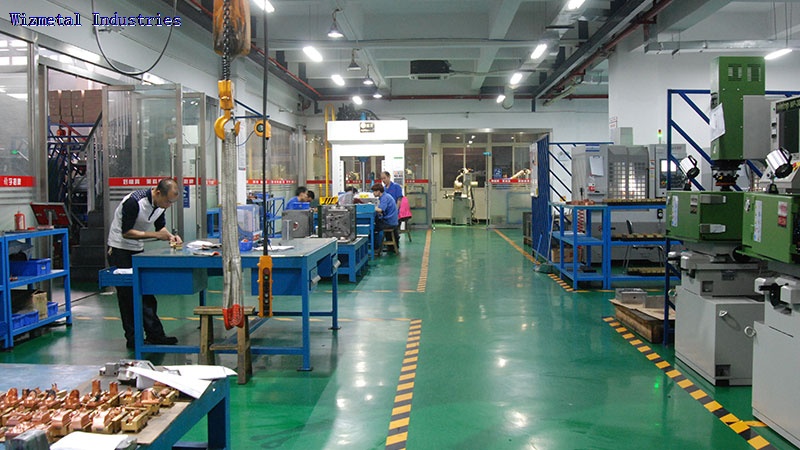
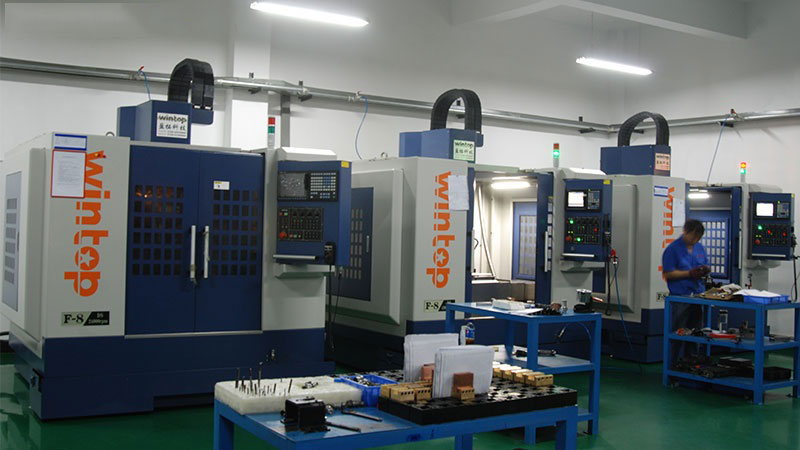
    Once a shortlist is established, rigorous supplier verification becomes non-negotiable. A professional China mold factory will welcome due diligence. Request a detailed company presentation, a portfolio of past projects similar to your needs, and contact information for existing overseas clients. A pivotal step in 2026 is the virtual factory tour. Insist on a live video call to walk through their facility. Observe their machinery (look for CNC, EDM, and precision measurement equipment), workshop organization, and engineering team. Ask specific questions about their process for handling design for manufacturability (DFM) feedback. A supplier that proactively offers DFM analysis is investing in the project’s success, preventing costly errors before steel is cut. This stage is where you differentiate traders from actual manufacturers.

    The cornerstone of a successful import is a crystal-clear technical and commercial agreement. Never proceed with only a sketch or a vague idea. Provide comprehensive 3D drawings (STEP or IGS files) with fully defined tolerances, material specifications (e.g., pre-hardened steel, stainless steel, aluminum), surface finish requirements, and expected mold life. For rubber or silicone injection molds, details about gate type, venting, and shrinkage rates are critical. Accompany this with a precise Request for Quotation (RFQ) document that breaks down costs: mold base, cavity and core machining, trials, and post-processing. A professional quote will itemize these, not just give a single lump sum. Clearly define payment terms (e.g., 30-50% deposit, 40% after first trial, 10% after approval) and a milestone-based schedule with regular update obligations.

    Proactive quality control integrated throughout the production cycle is what separates successful imports from failures. Do not adopt a “wait and see” approach until shipment. Mandate pre-production inspections of raw mold steel material. Require in-process photos and videos at key stages: after machining the mold base, after EDM or milling of cavities, and during assembly. The most critical QC point is the initial sample testing phase. Insist on a Trial Report Sheet with data from multiple shots. Samples should be measured against your provided drawings, and the report should include details on any adjustments made. For final verification, consider hiring a local third-party inspection agency in China to conduct a pre-shipment inspection (PSI) at the factory. This final audit checks workmanship, functionality, and packaging, providing an objective assessment before the mold leaves the country.

    Effective logistics and a long-term partnership mindset are your final steps. Work with your chosen China mold factory to understand the best Incoterm for your situation (FOB is common). Use a reliable freight forwarder experienced in handling industrial machinery to manage shipping, customs clearance, and delivery. Ensure the mold is crated securely for ocean freight. Upon receipt, conduct your own inspection. A trustworthy supplier will offer a reasonable warranty period (e.g., 12-24 months) against manufacturing defects. View this procurement not as a one-time transaction but as establishing a strategic manufacturing partner. A well-built mold is an asset, and a reliable manufacturer becomes an extension of your R&D and production team for future projects and maintenance.

    In conclusion, while searching for “rubber mold manufacturers near me” may initiate your sourcing journey, the strategic opportunity lies in mastering the import process from China. The landscape in 6 demands a focus on verified expertise over mere proximity. By shifting your search to specialized industrial clusters, conducting meticulous supplier verification, defining requirements with precision, implementing staged quality control, and planning for logistics, you transform procurement risk into a competitive advantage. The best suppliers in China are not just vendors; they are technical partners capable of delivering exceptional quality and value, making the global supply chain a powerful tool for your business growth.

    Work With Us

    As a professional China mold manufacturer, we provide one-stop mold solution for overseas buyers.
    📞 Phone: +86-18605944639
    💬 WhatsApp: +8618605944639
    🌐 Website: bestmoldworks.com
    📧 Email: [email protected]
  • injection mold factory: Expert Tips & Solutions 2026

    For overseas businesses, partnering with a proficient injection mold factory in China remains a cornerstone strategy for achieving competitive manufacturing costs and scaling production. However, the landscape is evolving rapidly. As we look toward 2026, the challenges are less about finding a supplier and more about identifying the right strategic partner capable of delivering consistent quality, technological expertise, and transparent communication. This guide cuts through the noise to provide expert, actionable solutions for your procurement journey, helping you mitigate risks and secure a reliable supply chain for your injection mold needs.

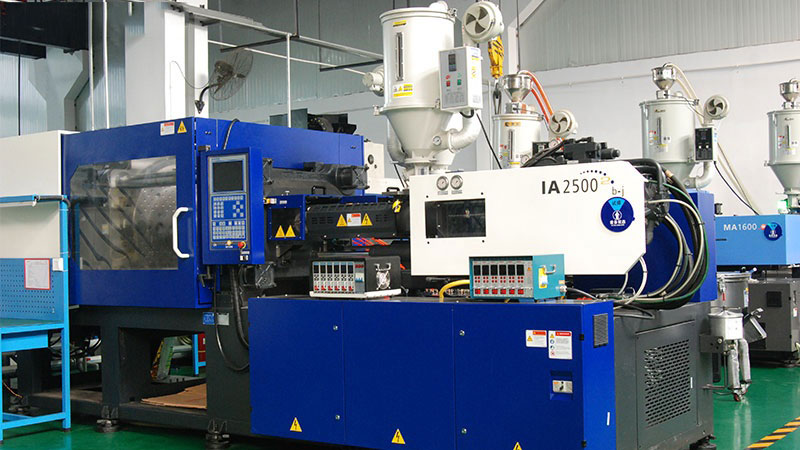
    The foundation of a successful import project lies in meticulous supplier verification, a step that cannot be overstated. Moving beyond a simple Alibaba search, due diligence in 2026 requires a multi-layered approach. Start by verifying business licenses and export credentials. Then, leverage video calls to conduct virtual factory tours; a reputable China mold factory will readily showcase its shop floor, machinery (look for brands like DMG Mori, Sodick, or Haitian injection molding machines), and ongoing projects. Request detailed case studies for molds similar in complexity and material to your own. Furthermore, use third-party inspection services for an initial audit before any contract is signed. This upfront investment in verification filters out trading companies masquerading as manufacturers and aligns you with partners who have the tangible capability to execute your project.

    Once a potential partner is identified, mastering the technical and commercial dialogue is crucial. A professional injection mold factory expects and respects detailed inquiries. Provide not just a 3D model, but a comprehensive technical data pack including intended material (resin type), expected annual volumes, cosmetic requirements (e.g., SPI finish standards), and tolerance specifications. Be explicit about your quality control expectations upfront—will you require first article inspection reports, CPK data for critical dimensions, or mold flow analysis before steel is cut? On the commercial side, understand the cost breakdown. A transparent quote should separate mold cost, sample cost, and unit part price. Beware of suspiciously low bids; they often signal corner-cutting on steel quality, component standards, or engineering rigor. Clarify payment terms (e.g., 50% deposit, 40% after sample approval, 10% after shipment) and ensure they are tied to clear milestones.

    Proactive quality control, integrated from the very first step, is what separates successful long-term partnerships from problematic ones. Do not treat QC as a final inspection step. Instead, build it into your project timeline. Require and review the mold design plan before manufacturing begins. Insist on regular photo or video updates at key stages: material procurement (steel certificates), CNC machining, EDM, polishing, and assembly. For the first shot samples, a Data Dimensional Report (DDR) comparing the produced part against your CAD model is essential. For higher volumes, consider engaging a local third-party QC agency to conduct an Initial Production Check (IPC) during the first mass production run. This layered approach to quality control ensures issues are identified and resolved when they are least costly to fix, protecting your investment and timeline.

    Finally, navigating logistics and fostering a sustainable partnership are critical for 2026 and beyond. Understand the Incoterms in your contract. FOB Shenzhen is common, but clarify responsibilities for mold transportation to the port and insurance. For the mold itself, ensure proper preservation treatment to prevent rust during ocean transit. Discuss post-sales support explicitly: what is the warranty period for workmanship and materials? How are repair or maintenance requests handled? A forward-thinking injection mold factory will view this as an ongoing relationship. Establish clear communication protocols, designate single points of contact on both sides, and schedule regular reviews. This transforms a transactional supplier into a true extension of your engineering team, capable of supporting future projects and iterations.

    In conclusion, importing molds from China in 2026 demands a strategic, informed, and hands-on approach from overseas buyers. The goal is no longer to simply find a manufacturer but to architect a resilient and transparent supply chain. By executing rigorous supplier verification, engaging in detailed technical procurement discussions, implementing staged quality control, and planning for long-term partnership logistics, you significantly de-risk the process. The right China mold factory is a powerful asset, enabling innovation, cost efficiency, and market agility. By applying these expert solutions, you position your business not just to import a mold, but to secure a critical competitive advantage for the years to come.

    Work With Us

    As a professional China mold manufacturer, we provide one-stop mold solution for overseas buyers.
    📞 Phone: +86-18605944639
    💬 WhatsApp: +8618605944639
    🌐 Website: bestmoldworks.com
    📧 Email: [email protected]
  • custom silicone mold manufacturer: Complete Procurement 2026

    For overseas buyers, the decision to import molds from China represents a significant strategic advantage, offering access to advanced manufacturing capabilities and cost efficiencies. However, navigating the landscape to find a reliable custom silicone mold manufacturer requires a modern, informed approach. The procurement playbook has evolved, and success in 2026 demands more than just comparing price quotes. It hinges on strategic verification, clear communication, and robust quality frameworks. This guide is designed to cut through the noise, providing you with actionable, professional insights to streamline your procurement process, mitigate risks, and build a profitable partnership with a qualified China mold factory.

    Mastering Supplier Verification in the Digital Age

    The foundational step in 2024 is rigorous supplier verification, which has moved far beyond a simple website check. Begin with a deep due diligence process. Verify the business license via official Chinese platforms and check for ISO 9001 certification specific to mold manufacturing. However, true verification now leverages technology. Insist on a live video tour of the facility. A reputable custom silicone mold manufacturer will readily showcase their workshop, allowing you to observe machinery (such as CNC centers, EDM machines), cleanliness standards crucial for silicone work, and their in-house capabilities. Scrutinize their portfolio for projects similar in complexity and industry to yours—be it for consumer goods, automotive components, or medical devices. Furthermore, use professional networks and platforms to seek client references, paying close attention to feedback about communication and post-sales support. This multi-layered verification separates true partners from mere trading companies.

    Engineering Communication and Technical Documentation

    Miscommunication is the primary source of cost overruns and project failure. To prevent this, your technical documentation must be impeccable. Provide your chosen China mold factory with a comprehensive package: fully detailed 3D CAD files (STEP or IGS format), 2D drawings with GD&T (Geometric Dimensioning and Tolerancing) callouts, and a clear material specification sheet. For silicone molds, this includes specifying the type of silicone (e.g., HTV, LSR), required Shore hardness, temperature resistance, and any certifications needed, such as FDA or LFGB. Establish a single point of contact on both sides who is technically fluent. Utilize collaborative tools for markups and regular milestone reviews. Discuss and agree upon a formal Engineering Change Order (ECO) process before work begins to manage any necessary adjustments without conflict. Precise documentation aligns expectations and serves as the contractual blueprint for quality.

    Implementing Proactive Quality Control Gates

    Quality cannot be inspected into a mold; it must be built into the process through defined control gates. Move beyond the outdated model of a single pre-shipment inspection. Integrate quality checkpoints at critical manufacturing stages. Require and review First Article Inspection (FAI) reports with dimensional results from coordinate measuring machines (CMM). For complex molds, especially those involving overmolding or multi-cavity designs, a pre-production sample from the actual tool is non-negotiable. This allows for functional testing of the mold itself. If your project involves an injection mold for the plastic parts that will be used with the silicone, ensure the supplier has integrated expertise or a clear workflow between mold departments. Consider engaging a trusted third-party quality inspection service within China to conduct during-production (DUPRO) checks on critical components like mold cores and cavities. This proactive approach identifies issues early, when they are least costly to correct.

    Navigating Logistics, IP Protection, and Total Cost

    The final hurdle involves securing your investment and ensuring smooth delivery. Intellectual Property (IP) protection is a legitimate concern. Work with a manufacturer willing to sign a comprehensive Non-Disclosure Agreement (NDA) and consider registering your design in China where feasible. Clarify ownership of the mold design upon final payment. When evaluating costs, adopt a Total Cost of Ownership (TCO) perspective. The lowest mold price may lead to higher costs from poor durability, excessive maintenance, or production downtime. Discuss mold life expectancy, warranty terms for workmanship, and the availability of spare components. For logistics, decide on Incoterms 2020 clearly—FOB is common, giving you control over shipping. Ensure the manufacturer has experience in proper mold packaging (weatherproof, shock-absorbent crating) and provides complete documentation, including a detailed mold manual for your production team.

    Building a Strategic Partnership for Long-Term Success

    The ultimate goal of this meticulous procurement process is to transition from a transactional buyer to a strategic partner. A reliable custom silicone mold manufacturer is an extension of your R&D and production team. Foster this relationship through transparent communication, fair negotiation, and a focus on mutual success. Plan for the long term by discussing their capacity for mold maintenance, repair, and future modifications. A partner invested in your success will provide proactive suggestions for design for manufacturability (DFM) that can enhance mold performance and reduce per-part costs.

    Conclusion

    Procuring high-performance silicone molds from China in 2026 is a structured discipline that balances technical diligence with relationship management. By implementing a modern verification protocol, enforcing crystal-clear technical communication, integrating quality control throughout the manufacturing journey, and safeguarding your intellectual and physical assets, you transform procurement from a risky necessity into a competitive edge. The journey to find the right partner demands an investment of time and careful planning upfront, but the reward is a seamless supply chain, superior product quality, and a manufacturing alliance that drives your business growth for years to come. Let this guide be your blueprint for confident and successful procurement.

    Work With Us

    As a professional China mold manufacturer, we provide one-stop mold solution for overseas buyers.
    📞 Phone: +86-18605944639
    💬 WhatsApp: +8618605944639
    🌐 Website: bestmoldworks.com
    📧 Email: [email protected]
  • custom silicone mold manufacturer usa: Best Suppliers 2026

    For businesses across the United States, from food and confectionery artisans to industrial parts producers, sourcing high-quality, cost-effective custom silicone molds is a critical component of product development and manufacturing. While searching for a “custom silicone mold manufacturer usa” yields local options, a strategic and informed look towards global partners, particularly in China, can unlock significant advantages in cost, scalability, and technical capability. This guide is designed for the savvy overseas buyer, providing a clear, actionable roadmap to navigate the Chinese manufacturing landscape. Our focus is not on listing specific companies but on equipping you with the knowledge to identify and partner with what will be the best suppliers for your needs in 2026 and beyond. The goal is to transform a complex international procurement process into a streamlined, reliable, and profitable supply chain solution.

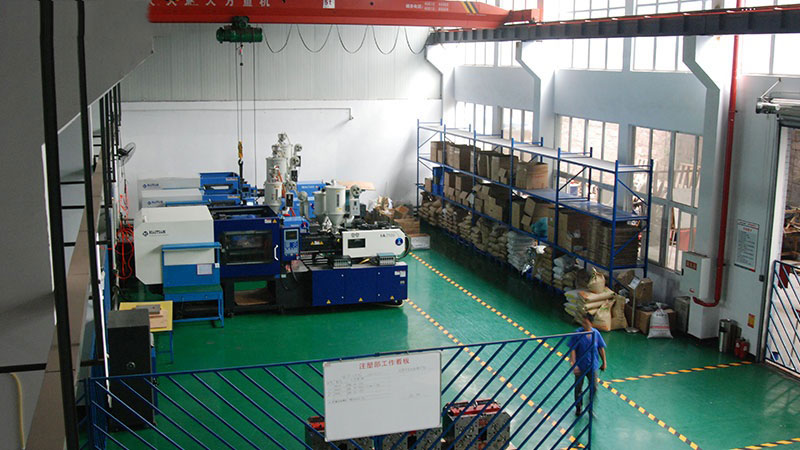
    The foundational step in this journey is comprehensive supplier verification. Moving beyond a simple Alibaba search is paramount. Begin by identifying a shortlist of China mold factories with proven expertise in silicone, not just general injection mold production. Scrutinize their online presence: a professional website with detailed case studies, technical data sheets, and process explanations is a positive indicator. Utilize third-party verification services to check business licenses, export credentials, and factory audits. Crucially, initiate direct video calls. Request virtual factory tours to see their workshop, machinery, and cleanliness standards firsthand. Ask to speak with their engineering or project management team to assess their technical communication skills. This due diligence phase filters out trading companies and unqualified workshops, ensuring you engage with genuine manufacturers capable of delivering on your specifications.

    Once a potential partner is identified, mastering the technical and commercial quotation process is your next hurdle. A professional China mold factory will not provide a price based on a simple sketch. They will require a detailed 2D drawing or 3D CAD model with all critical dimensions, material specifications (e.g., FDA-grade silicone, hardness in Shore A, temperature resistance), expected cavity count, and lifetime expectations. Be prepared for a collaborative dialogue. Their engineers may suggest design for manufacturability (DFM) adjustments that can reduce cost or improve mold longevity without compromising your product’s integrity. When comparing quotes, look beyond the bottom line. Analyze what is included: Are sample costs, shipping, and mold modification iterations factored in? A transparent, detailed breakdown is a hallmark of a reliable partner. This stage sets clear expectations and prevents costly misunderstandings during production.

    The most significant concern for overseas buyers is maintaining unwavering quality control from across the globe. Proactive management is the solution. First, insist on a First Article Inspection (FAI) report before full production begins. This involves the supplier measuring and documenting all critical dimensions of the initial samples against your drawings. Second, engage a reputable third-party quality inspection firm based in China. These local inspectors can perform pre-shipment inspections at the factory, checking for defects, material consistency, and workmanship before your molds ever leave the country. For larger orders or new suppliers, consider conducting an Initial Production Check (IPC) after 10-15% of the production run is complete. This layered QC approach—combining your clear specifications, the supplier’s own reports, and independent verification—dramatically mitigates the risk of receiving substandard goods. It transforms quality assurance from a hopeful gamble into a managed, documented process.

    Successful procurement from China is built on clear contracts and strategic relationship management. Your purchase agreement should be explicit, covering intellectual property (IP) rights, confidentiality, payment terms (e.g., 30-50% deposit, balance before shipment), delivery schedule, warranty period for the molds, and protocols for handling defects. Cultivating the relationship, however, goes beyond the legal document. View your supplier as a long-term strategic partner. Communicate regularly and respectfully. Provide clear, constructive feedback. Prompt payments for completed milestones build trust and reliability. For businesses considering a “custom silicone mold manufacturer usa” partnership for hybrid sourcing, this approach is vital. Some U.S.-based manufacturers actually outsource their mold fabrication to trusted Chinese partners and handle domestic sales and support. Understanding this dynamic can also inform your own strategy, whether you import directly or work with a U.S.-based intermediary with transparent offshore partnerships.

    In conclusion, directly importing custom silicone molds from China in 2026 represents a powerful strategy for U.S. businesses seeking competitive advantage. The path to success is defined not by finding the cheapest supplier, but by systematically implementing rigorous supplier verification, engaging in detailed technical collaboration, enforcing multi-stage quality control, and fostering a professional, long-term partnership. By mastering these elements of international procurement, you effectively build a reliable extension of your own manufacturing operations. This allows you to leverage the specialized expertise and cost efficiencies of a dedicated China mold factory while maintaining the high standards your market demands. The result is a sustainable supply chain that delivers precision, value, and scalability, positioning your products for success in the years to come.

    Work With Us

    As a professional China mold manufacturer, we provide one-stop mold solution for overseas buyers.
    📞 Phone: +86-18605944639
    💬 WhatsApp: +8618605944639
    🌐 Website: bestmoldworks.com
    📧 Email: [email protected]
  • cheap injection mold: Expert Tips & Solutions 2026

    For overseas businesses, from ambitious startups to established manufacturers, sourcing a cheap injection mold from China remains a compelling strategy to reduce upfront tooling costs and enhance product competitiveness. However, the journey from a CAD file to a high-quality, reliable mold in your production line is fraught with potential pitfalls. The core challenge is not merely finding a low price, but securing a mold that delivers consistent performance, longevity, and total value. This guide provides professional, actionable solutions for 2026, moving beyond basic price shopping to strategic procurement that protects your investment and ensures project success.

    The foundational step in securing a reliable cheap injection mold is thorough supplier verification. In 2026, due diligence goes far beyond checking a company website. Begin with a multi-platform assessment: scrutinize their presence on B2B portals like Alibaba or Made-in-China, but also seek independent directories and, crucially, their professional activity on LinkedIn. Request a detailed company profile including business license, and insist on a virtual factory tour via video call. This allows you to assess their machinery, workshop organization, and engineering team in real-time. During discussions, ask for at least three recent client references from your region or industry and actually contact them. Inquire about the mold’s performance, communication ease, and post-sales support. A reputable China mold factory will be transparent and proud to showcase its capabilities and track record.

    Once a potential partner is identified, mastering the technical and commercial quotation process is critical. A surprisingly low quote is often a red flag, indicating hidden costs, substandard materials, or lack of expertise. Your goal is to receive comparable, detailed quotations. Provide suppliers with a comprehensive RFQ package: 3D CAD files (STEP or IGS), 2D drawings with critical tolerances and surface finish requirements, material specifications for the final plastic part, and expected annual volumes. Demand a breakdown that includes mold base material and hardness, core and cavity steel grade and heat treatment, number of cavities, lifetime expectancy, and all ancillary costs like delivery, documentation, and spare parts. This clarity allows for an apples-to-apples comparison and prevents costly change orders later. Remember, the true cost of a mold includes its maintenance and lifespan; investing in better steel or robust design upfront often yields the cheapest injection mold in the long run through reduced downtime and superior part quality.

    The design and prototyping phase is where collaboration with your chosen China mold factory determines ultimate success. Do not treat the mold design as their sole responsibility. Engage in a Design for Manufacturability (DFM) review. A competent supplier will analyze your part design and suggest modifications to improve moldability, reduce complexity, and enhance durability—all of which can lower cost. Insist on reviewing the mold flow analysis report. This simulation predicts how plastic will fill the cavity, identifying potential issues like air traps, weld lines, or sink marks before steel is cut. It is a non-negotiable tool for modern mold making. Furthermore, never skip the prototyping stage. Request samples from the first mold trial (T1) for rigorous testing. Check dimensions, assembly fit, function, and cosmetic appearance against your master sample. Structured feedback at this stage is far cheaper than correcting a mass production run.

    Implementing rigorous quality control throughout the manufacturing process is your primary risk mitigation strategy. Define clear QC milestones and insist on evidence. Key checkpoints include: material certificates for the mold steel, photos of the finished mold cavity before assembly, and a fully documented sample approval process. For critical projects, consider hiring a local third-party inspection company to conduct a Pre-Shipment Inspection (PSI) at the supplier’s facility. The inspector will verify mold dimensions, test it on a press to produce samples, and check the functionality of sliders, lifters, and cooling systems. This step, while an added cost, provides immense peace of mind and leverage. It ensures the tool meets agreed specifications before it leaves China, avoiding costly and time-consuming rework after international shipping. Proactive quality control transforms your procurement from a hopeful transaction into a managed engineering project.

    Finally, plan for the entire lifecycle of the mold. A cheap injection mold that fails after 50,000 cycles is no bargain. Discuss maintenance and post-sales support upfront. Secure a commitment for a reasonable warranty period, typically 12-24 months against manufacturing defects. Ensure you receive complete mold documentation: final 2D drawings, a list of spare parts with recommended inventory, and maintenance guidelines. Establish clear protocols for troubleshooting and repair. Will they provide remote support via video? Can you send damaged components back for refurbishment? Understanding the total cost of ownership, including potential future interactions, is a hallmark of sophisticated procurement. Building a true partnership with your supplier, rather than a one-off deal, encourages them to invest in the long-term reliability of your tool.

    In conclusion, sourcing a cost-effective injection mold from China in 2026 is a highly viable strategy, but it demands a professional, process-driven approach. The solution lies not in finding the absolute lowest bidder, but in strategically verifying suppliers, demanding technical transparency, collaborating on design, enforcing stringent quality control, and planning for long-term support. By following these expert tips, you transform the quest for a cheap injection mold into a successful investment in a high-value manufacturing asset. This disciplined methodology minimizes risk, ensures quality, and ultimately delivers the competitive advantage and profitability that motivated your overseas procurement journey.

    Work With Us

    As a professional China mold manufacturer, we provide one-stop mold solution for overseas buyers.
    📞 Phone: +86-18605944639
    💬 WhatsApp: +8618605944639
    🌐 Website: bestmoldworks.com
    📧 Email: [email protected]

  • custom made parts: Expert Tips & Solutions 2026 | China Mold Factory

    For overseas buyers, sourcing custom made parts from China represents a significant strategic advantage, offering cost efficiency, scalability, and advanced manufacturing capabilities. However, the path to a successful partnership with a China mold factory is fraught with potential complexities, from communication barriers to quality inconsistencies. This guide provides actionable, expert-level tips and solutions for 2026, designed to help you navigate the procurement process with confidence and secure high-quality injection molds and the parts they produce.

    The cornerstone of a successful import project is thorough supplier verification. Moving beyond a simple website check or Alibaba storefront is non-negotiable. Begin by verifying the supplier’s business license and export history. Request a virtual or, ideally, a pre-qualification in-person factory tour to assess their machinery, workshop organization, and engineering team. Crucially, ask for and contact references from their existing overseas clients, specifically those in your industry or with similar part complexities. A professional China mold factory will have documented case studies and be transparent about their client partnerships. This due diligence phase filters out trading companies masquerading as manufacturers and identifies partners with genuine expertise in producing the specific custom made parts you require.

    Once a potential partner is identified, mastering the technical and commercial discussion is critical. Your request for quotation (RFQ) package must be impeccable. It should include not just a 3D model (STEP or IGS format), but also a comprehensive 2D drawing with GD&T (Geometric Dimensioning and Tolerancing), clearly defined critical dimensions, material specifications (including grade and color), and expected annual volumes. This clarity prevents misunderstandings and ensures quotations are comparable. Discuss the injection mold design openly: ask about the mold flow analysis plan, the type of steel (e.g., P20, H13, S136) proposed for different components, the cooling system design, and the mold life expectancy (number of shots). A competent supplier will proactively engage in these technical details, offering solutions rather than just accepting orders.

    Implementing a robust, multi-stage quality control protocol is what separates successful importers from those facing costly rework. Do not rely solely on final inspection. Insist on a First Article Inspection (FAI) report after the initial sample parts are produced from the finished mold. Key checkpoints should be integrated into the timeline: a mold design review, pre-shipment inspection of the physical mold (checking hardness, finish, and functionality), and then sampling with CMM (Coordinate Measuring Machine) reports for part dimensional validation. For ongoing production of custom made parts, define AQL (Acceptable Quality Level) standards and arrange for periodic third-party inspections. This proactive approach to quality control ensures issues are caught early, when they are least expensive to rectify, and maintains consistency across production runs.

    The commercial and logistical framework of your agreement is equally important. Be explicit about payment terms; a common and balanced structure is 30-40% deposit, 40-50% after mold trial sample approval, and the balance before shipment. Ensure the contract clearly defines ownership of the injection mold design and the physical tooling. Use Incoterms 2020 correctly—FOB is common, but understand your responsibilities and costs from the point of shipment. Plan for logistics in advance: mold transportation requires secure, often air-freight or dedicated container, packing to prevent damage. Finally, discuss post-sales support: what is the warranty period for the mold? How are repair or maintenance issues handled? A reliable partner will have clear policies, ensuring a long-term, sustainable relationship beyond the initial transaction.

    Looking ahead to 2026, the most forward-thinking buyers are leveraging digital integration and sustainability considerations. Leading Chinese mold factories are increasingly adopting Industry 4.0 practices. Inquire about their use of digital twins for mold simulation, IoT-enabled presses for real-time production monitoring, and the ability to provide digital quality data packs. Furthermore, environmental compliance is becoming a key procurement driver. Discuss the factory’s environmental management systems, their approach to material efficiency (reducing waste in both mold making and injection molding), and their experience with recycled or bio-based polymers if relevant to your project. Aligning with a technologically advanced and environmentally conscious supplier future-proofs your supply chain.

    In conclusion, importing molds and custom made parts from China in 2026 demands a blend of traditional due diligence and modern strategic partnership approaches. The process, from rigorous supplier verification and precise technical communication to stringent quality control and smart contractual agreements, is systematic. By treating your China mold factory not merely as a vendor but as a technical extension of your own team, you unlock immense value. The goal is to build a transparent, collaborative relationship that delivers not just cost savings, but also innovation, reliability, and a competitive edge in your market. With these expert tips as your guide, you are well-positioned to navigate the complexities and achieve outstanding results in your next procurement project.

    Work With Us

    As a professional China mold manufacturer, we provide one-stop mold solution for overseas buyers.
    📞 Phone: +86-18605944639
    💬 WhatsApp: +8618605944639
    🌐 Website: bestmoldworks.com
    📧 Email: [email protected]

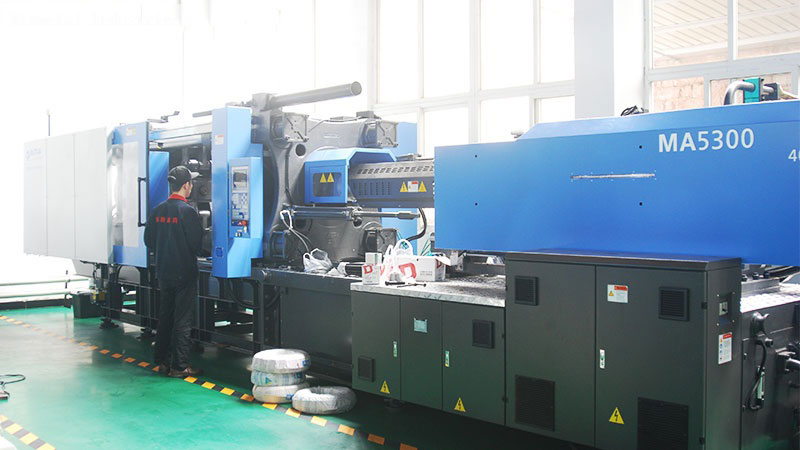
  • injection molding machine manufacturer in china: Exper 2026

    For overseas buyers, sourcing from an injection molding machine manufacturer in China represents a significant strategic advantage. The combination of advanced technological capabilities, scalable production, and cost efficiency is compelling. However, navigating this complex landscape in 2026 requires updated knowledge and a methodical approach. The market is evolving rapidly, with a clear divide between low-cost commodity producers and high-value, technologically sophisticated partners. This guide cuts through the noise to provide actionable, real-world strategies for identifying, vetting, and collaborating with a reliable Chinese injection molding machine manufacturer to ensure your procurement success.

    Mastering Supplier Verification in the Digital Age

    The foundational step in 2026 is rigorous supplier verification, which extends far beyond a simple website check. Begin with a deep dive into business credentials. Utilize official Chinese platforms like the National Enterprise Credit Information Publicity System to verify business licenses, registered capital, and legal standing. Cross-reference this with detailed factory audits. Insist on a live video tour if an initial in-person visit isn’t feasible; a reputable China mold factory will readily comply. Scrutinize their machinery portfolio—are they showcasing the latest all-electric or hybrid machines from brands like Haitian or ENGEL, or are their offerings outdated? Furthermore, examine their project history for clients in your region or industry. A manufacturer with proven experience exporting to markets with stringent standards (EU, North America) inherently understands compliance, logistics, and quality expectations, de-risking your engagement.

    Aligning Technical Specifications with Strategic Goals

    Procurement decisions must be driven by your specific production needs, not just price. Engage potential manufacturers in detailed technical discussions. Specify your required clamping force (tonnage), shot volume, platen size, and the type of control system. Inquire about their expertise in integration—can they provide a complete cell with robots, conveyors, or ancillary equipment? For precision parts, prioritize manufacturers specializing in all-electric machines for their repeatability and energy efficiency. If you require large-part production, verify their experience with large-tonnage two-platen machines. Discuss key performance indicators like cycle time, energy consumption per shot, and predictive maintenance capabilities. A professional injection molding machine manufacturer in China will have engineers who can discuss these specifics knowledgeably and may even suggest optimizations based on your intended application, moving the conversation from transactional to consultative.

    Implementing a Multi-Stage Quality Control Protocol

    Quality control is non-negotiable and must be contractually defined. Move beyond a simple pass/fail final inspection. Implement a staged protocol that starts with raw material certification for steel and components. During production, require reports for critical machining processes. For the injection mold itself, which is paramount, insist on First Article Inspection (FAI) reports using Coordinate Measuring Machine (CMM) data to verify every dimension against the CAD model. For the machine assembly, define Factory Acceptance Test (FAT) procedures. This should include testing under load, verifying hydraulic and electrical systems, and ensuring software controls are fully functional and in your required language. Consider engaging a trusted third-party quality inspection service based in China for impartial FAT supervision. This layered approach ensures issues are identified and resolved before shipment, preventing costly delays and disputes upon arrival.

    Navigating Logistics, Compliance, and After-Sales Support

    The responsibility of a reliable partner extends beyond the factory gate. Clarify incoterms explicitly—FOB Shanghai is common, but understand all costs and responsibilities. Ensure the manufacturer has experience preparing export documentation, CE certification for the EU, or other relevant market certifications. Discuss packaging: machines must be crated to withstand ocean freight. Crucially, negotiate a clear after-sales service agreement. This should include detailed installation manuals, comprehensive electrical and hydraulic schematics, and the availability of spare parts. Determine the structure of technical support: will it be provided via remote diagnostics, or do they have service engineers available for dispatch to your country? A forward-thinking supplier will offer training programs for your technicians, either on-site in China or at your facility. Solidifying these terms upfront protects your long-term operational viability.

    Building a Partnership for Long-Term Success

    The most successful import ventures in 2026 view their Chinese manufacturer as a strategic partner. Foster transparent and regular communication, using tools that bridge time zones effectively. Consider a phased approach: start with a smaller order or a single machine to evaluate performance before committing to larger volume. Plan for future needs; discuss their R&D roadmap and ability to support automation and Industry 4.0 integrations like IoT connectivity for performance monitoring. Building mutual respect and understanding leads to better problem-solving, potential for co-development, and priority treatment. This relationship-centric model transforms your chosen supplier from a mere vendor into an extension of your own manufacturing capability.

    Conclusion

    Importing from a Chinese injection molding machine manufacturer in 2026 offers unparalleled value but demands a disciplined, informed approach. The landscape rewards buyers who conduct thorough supplier verification, insist on technical alignment and rigorous quality control, plan meticulously for logistics and after-sales support, and invest in building a genuine partnership. By applying these actionable strategies, you move beyond simply finding a supplier to securing a competitive manufacturing advantage. The goal is not just to procure a machine, but to establish a reliable channel for advanced manufacturing technology that will drive your productivity and innovation for years to come.

    Work With Us

    As a professional China mold manufacturer, we provide one-stop mold solution for overseas buyers.
    📞 Phone: +86-18605944639
    💬 WhatsApp: +8618605944639
    🌐 Website: bestmoldworks.com
    📧 Email: [email protected]

  • custom mold cost: Ultimate Guide for Buyers 2026 | China Mold Factory

    Navigating the landscape of custom mold manufacturing in China presents a significant opportunity for overseas buyers to achieve substantial cost savings without compromising on quality. However, the journey from concept to a finished, high-precision mold is fraught with complexities that directly impact your bottom line. The quoted price for a tool is rarely the final story; it is a starting point that requires deep understanding and strategic management. This ultimate guide for 2026 cuts through the noise to provide overseas procurement professionals with actionable insights into the true drivers of custom mold cost and how to partner effectively with a China mold factory for a successful, value-driven outcome.

    Understanding the Core Drivers of Your Investment

    Before engaging with suppliers, it is critical to understand what you are actually paying for. A custom mold cost is not a commodity price; it is a reflection of engineering complexity, material science, and skilled labor. The primary factors include mold size and complexity, steel grade and hardness, cavity count, surface finish requirements, and tolerance levels. A simple single-cavity mold for a low-volume prototype will command a vastly different price than a multi-cavity, hot runner system mold for high-volume production. Furthermore, the choice of steel—from pre-hardened P20 to hardened H13 or stainless steel—has a major impact on both initial cost and mold longevity. By meticulously defining your part specifications, expected lifetime production volume, and quality standards upfront, you empower yourself to request comparable quotes and understand the rationale behind them, moving beyond a simple price comparison to a value assessment.

    The Critical Phase of Supplier Verification and Selection

    The most significant factor in controlling your total cost of ownership is choosing the right partner. A low initial quote can become exponentially expensive due to delays, reworks, and poor part quality. Therefore, rigorous supplier verification is non-negotiable. Move beyond Alibaba listings and request detailed company profiles, machinery lists, and client references, preferably from companies in your region. Insist on a video conference factory tour to assess their workshop organization, equipment maintenance, and engineering team. Evaluate their communication proficiency and project management approach; a supplier who asks detailed, technical questions about your injection mold application is often more reliable than one who simply agrees to a price. This due diligence invests time upfront to mitigate profound risks, ensuring your custom mold cost translates into a reliable asset, not a recurring liability.

    Strategizing Procurement and Negotiation for Value

    Effective procurement for custom molds requires a shift from adversarial price haggling to collaborative value engineering. When requesting quotes, provide a comprehensive RFQ package including 3D part files, material specifications, expected annual volumes, and quality standards. This allows suppliers to quote accurately and may reveal opportunities for design for manufacturability adjustments that can reduce the injection mold cost without compromising function. Negotiate with transparency—discuss payment terms that protect both parties, such as a staggered payment schedule tied to project milestones like design approval, first trial, and final acceptance. Clarify what is included in the price: number of trial runs, spare components, mold maintenance, and delivery terms. A professional China mold factory will welcome this clarity, as it builds a foundation for a long-term partnership.

    Implementing Proactive Quality Control Throughout the Process

    Quality control is not a single inspection before shipment; it is a continuous process integrated from design to delivery. To safeguard your investment, mandate a First Article Inspection report based on parts from the initial trial run. For critical projects, engage a reputable third-party quality inspection agency within China to conduct audits during key stages: steel material certification, pre-hardness inspection, and final sampling. This provides an objective assessment of workmanship and part conformity. Clear communication about measurement reports and defect classification is essential. Establishing these protocols with your supplier from the outset demonstrates your commitment to quality and prevents costly misunderstandings, ensuring the delivered mold meets the precise standards required for your production line.

    Managing Logistics, Communication, and Long-Term Partnership

    The conclusion of mold manufacturing is just the beginning of its lifecycle. Factor in logistics costs and lead times for sea or air freight, and ensure proper packaging to prevent damage. All technical documentation, including 2D drawings, 3D files, and maintenance manuals, should be transferred upon final payment. Foster open channels for communication to address any issues during production mold trials at your facility. A reliable China mold factory will offer support for troubleshooting and provide guidance on optimal processing parameters for your injection mold. View this relationship as a strategic partnership; a well-maintained mold from a trusted supplier will produce millions of parts, making the initial custom mold cost a wise and depreciable investment over time.

    Conclusion

    Importing custom molds from China in 2026 demands a sophisticated, informed approach that looks beyond the initial price tag. By comprehending the intricate factors that influence custom mold cost, executing diligent supplier verification, strategizing your procurement, enforcing rigorous quality control, and nurturing the supplier relationship, you transform a complex international transaction into a competitive advantage. The goal is not merely to find the cheapest option, but to achieve the optimal balance of quality, reliability, and total cost for your specific injection mold needs. With this guide as your framework, you are equipped to navigate the market confidently, securing a manufacturing partnership that delivers exceptional value and drives the success of your product for years to come.

    Work With Us

    As a professional China mold manufacturer, we provide one-stop mold solution for overseas buyers.
    📞 Phone: +86-18605944639
    💬 WhatsApp: +8618605944639
    🌐 Website: bestmoldworks.com
    📧 Email: [email protected]

  • custom silicone mold manufacturer usa: Professional Buy 2026

    For overseas buyers, particularly those based in the USA, the phrase “custom silicone mold manufacturer usa” often represents a critical sourcing goal: securing high-quality, cost-effective tooling to fuel innovation and production. While domestic manufacturing offers proximity, the competitive advantages of partnering with a specialized China mold factory for custom silicone and injection mold projects are compelling. However, navigating this international procurement landscape requires a professional, strategic approach to mitigate risks and ensure a successful partnership. This guide for 2026 provides actionable insights to solve the real challenges of importing molds from China, transforming a complex process into a streamlined advantage.

    The core appeal of sourcing from China lies in the combination of advanced technological capabilities, extensive material expertise, and significant cost savings, often ranging from 30% to 50% compared to Western counterparts. Chinese manufacturers have evolved from generic workshops to highly specialized hubs, with many factories now possessing state-of-the-art CNC machining centers, EDM equipment, and deep experience in both silicone rubber molding and precision injection mold making. For American businesses, this means access to sophisticated tooling that can meet stringent requirements for medical devices, automotive components, consumer goods, and food-grade products. The strategic imperative for 2026 is not merely to find a supplier but to architect a fail-safe procurement and quality control process that bridges the geographical and cultural divide.

    The foundational step in this process is rigorous supplier verification. Moving beyond simple Alibaba listings is non-negotiable. Professional procurement in 2026 demands due diligence. Start by verifying business licenses and export credentials. Request and scrutinize detailed company profiles that outline their specific machinery, engineering team qualifications, and industry certifications relevant to your project, such as ISO 9001. Crucially, insist on a virtual factory tour via video call; this allows you to assess workshop organization, equipment condition, and cleanliness—key indicators of professional standards. Furthermore, investigate their portfolio for projects similar in complexity and material to your custom silicone mold. A reputable China mold factory will be transparent and proactive in providing this evidence, establishing the trust necessary for a long-term partnership.

    Once a potential partner is identified, mastering the technical communication and prototyping phase is critical. Ambiguity in design specifications is the primary cause of tooling failure. Develop comprehensive, dimensionally detailed 3D CAD files (STEP or IGS formats are preferred) alongside a crystal-clear technical data sheet. This sheet must specify the exact silicone rubber material (e.g., Shore hardness, tensile strength, temperature resistance, FDA compliance if needed), expected cavity life, tolerances, surface finish requirements, and any critical gating or venting considerations. For injection mold projects, material flow, cooling channel design, and ejection mechanisms must be discussed in depth. Invest in a prototype or a 3D-printed mold sample before committing to full-scale tooling production. This step, though incurring a minor upfront cost, validates the design and the manufacturer’s understanding, preventing costly revisions later.

    Implementing a staged payment schedule linked to objective quality control milestones is your strongest financial and quality safeguard. A standard and secure terms for 2026 could be structured as 30% deposit upon order confirmation, 40% upon approval of the First Article Inspection (FAI) report with dimensional validation, and the final 30% before shipment. The FAI is indispensable. It requires the supplier to produce initial samples from the finished mold and measure them against your CAD drawings, providing a documented report. For critical components, engaging a third-party quality control agency in China to conduct an on-site inspection during the T1 (first trial) sample stage is highly recommended. They can check for defects like flash, air traps, incomplete filling, and verify material properties, acting as your eyes on the ground.

    Finally, plan for the total cost of ownership, not just the tooling price. While the initial quote from your chosen custom silicone mold manufacturer may be attractive, consider logistics, duties, and potential post-production support. Clarify Incoterms (e.g., FOB Shanghai) to understand where your responsibilities begin. Factor in shipping costs and lead times, and ensure the mold is properly crated for ocean freight to prevent damage. Discuss intellectual property protection through a formal Non-Disclosure Agreement (NDA) and consider the supplier’s willingness to sign a product development agreement that assigns IP rights. Furthermore, explore their policy on mold storage and maintenance; a reliable partner will offer to safely store your master mold for future production runs at a reasonable fee, ensuring consistency and faster turnaround for reorders.

    In conclusion, successfully importing a custom silicone or injection mold from China in 2026 is a deliberate professional discipline, not a speculative purchase. By methodically executing supplier verification, excelling in technical communication, enforcing milestone-based payments with rigorous quality control, and planning for the complete supply chain, overseas buyers can confidently leverage the expertise of a China mold factory. This strategic approach transforms the search for a “custom silicone mold manufacturer usa” clients can rely on into a reality, securing not just a tool, but a competitive edge in quality, innovation, and cost-efficiency for years to come. The future of strategic manufacturing lies in building these transparent, professional bridges across global markets.

    Work With Us

    As a professional China mold manufacturer, we provide one-stop mold solution for overseas buyers.
    📞 Phone: +86-18605944639
    💬 WhatsApp: +8618605944639
    🌐 Website: bestmoldworks.com
    📧 Email: [email protected]

  • toy mould manufacturers in china: Complete Procurement 2026

    For global toy brands, retailers, and startups, sourcing high-quality injection molds is a critical step in bringing innovative and profitable products to market. China remains the epicenter of mold manufacturing, offering unparalleled expertise, scalability, and cost efficiency. However, navigating this complex landscape requires a modern, informed approach. This guide is your complete procurement playbook for 2026, designed to help you identify, vet, and partner with reliable toy mould manufacturers in China, turning a challenging process into a strategic advantage.

    The foundation of a successful import project lies in selecting the right partner. The search for a China mold factory must move beyond simple online directories and price comparisons. Begin by targeting suppliers with demonstrable experience in the toy industry. This niche requires specific knowledge of safety standards (such as EN71, ASTM F963, CPSIA), expertise in multi-cavity molds for high-volume production, and skill with child-friendly materials and finishes. Utilize professional platforms like Alibaba’s Gold Supplier listings with verified assessments, but deepen your research. Examine supplier websites for case studies of toy projects, request detailed portfolios, and prioritize factories that proactively ask questions about your target market’s regulatory requirements. This initial, thorough filtering will save significant time and resources later.

    Once you have a shortlist, rigorous supplier verification becomes non-negotiable. In 2026, due diligence is multi-faceted. First, insist on a virtual factory tour via video call. This allows you to assess the workshop environment, machinery (look for modern CNC, EDM, and injection molding machines), and general housekeeping. Second, demand legal and business documentation, including business licenses and, crucially, proof of past compliance with international toy safety standards. Third, check references. A credible manufacturer should be able to connect you with previous overseas clients. Speaking directly with a buyer who has completed a similar project provides invaluable insights into the factory’s communication, problem-solving, and reliability. This step moves you from a hopeful inquiry to a confident negotiation.

    The core of your engagement is the technical and commercial negotiation. A professional toy mould manufacturer will not provide a firm quote from a simple sketch. They will require detailed 3D drawings (STEP or IGS files) to conduct a thorough Design for Manufacturability (DFM) analysis. This report is critical—it highlights potential issues in part design that could affect mold cost, longevity, or part quality. When discussing the quote, ensure it is broken down: mold base material (such as pre-hardened steel like P20 or hardened steel like S136 for longer life), number of cavities, surface treatments (texturing, polishing), and the scope of sampling and revisions. Clearly define payment terms; a common structure is 50% deposit, 40% upon pre-shipment approval, and 10% after successful sampling. Never compromise clarity for perceived speed.

    Proactive quality control integrated throughout the manufacturing process is what separates successful imports from costly failures. Do not adopt a “wait and see” approach until the final sample arrives. Instead, mandate milestone inspections. Key checkpoints include a First Article Inspection (FAI) after the mold frame is completed, a T1 sample inspection from the initial trial shots, and a pre-shipment audit of the finished mold. Partner with a reputable third-party quality inspection service based in China to conduct these checks objectively. They will verify steel hardness, cavity dimensions, surface finish, and the functionality of sliders and lifters. For the T1 samples, they assess part dimensions, assembly, and cosmetic appearance. This staged QC process identifies deviations early, when they are less expensive and time-consuming to correct.

    Finally, view the procurement of your injection mold as the start of a long-term partnership, not a one-time transaction. A reliable China mold factory is an extension of your product development team. Discuss post-sales support upfront: What is their policy on mold modifications? How will they store your mold if production is paused? What are the costs and lead times for future maintenance or spare parts? Establishing these protocols ensures a smooth transition from prototyping to mass production and safeguards your asset for years. Furthermore, a trustworthy partner will keep you informed on material innovations and manufacturing efficiencies relevant to the toy industry, adding continuous value beyond the initial purchase.

    In conclusion, procuring from toy mould manufacturers in China in 2026 demands a blend of traditional diligence and modern verification techniques. The journey from concept to a perfect, safe, and cost-effective toy on store shelves hinges on your methodical approach to supplier selection, technical collaboration, and layered quality control. By treating your chosen China mold factory as a strategic partner and investing in transparency at every stage, you mitigate risk and build a supply chain foundation capable of supporting your brand’s growth for years to come. The complete procurement process, while detailed, is your most powerful tool for ensuring quality, safety, and ultimately, the commercial success of your product in a competitive global market.

    Work With Us

    As a professional China mold manufacturer, we provide one-stop mold solution for overseas buyers.
    📞 Phone: +86-18605944639
    💬 WhatsApp: +8618605944639
    🌐 Website: bestmoldworks.com
    📧 Email: [email protected]