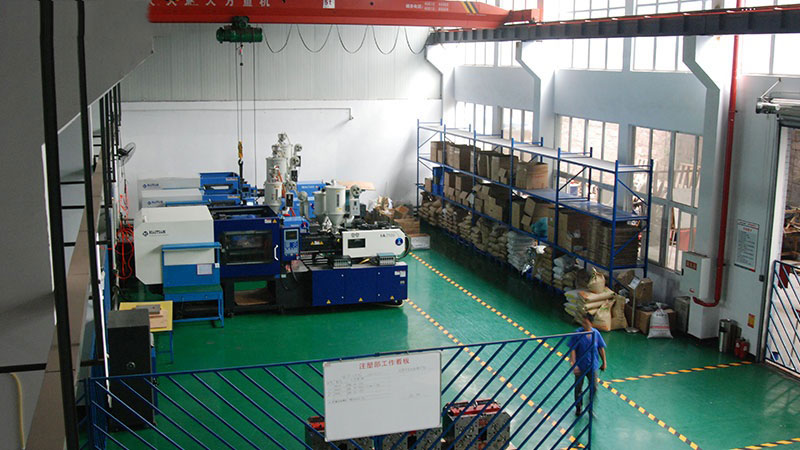
For overseas buyers, procuring high-quality molds from China represents a significant opportunity to enhance product development and manufacturing efficiency. The focus on a specialized **silicone mold factory** is particularly relevant for industries ranging from consumer goods and food to automotive and medical components. As we look toward 2026, the landscape is evolving, with a premium on precision, material integrity, and streamlined procurement. This guide is designed to cut through the noise, offering a professional and actionable roadmap for identifying the best suppliers and implementing ironclad quality control measures. The goal is not just to find a vendor, but to establish a strategic partnership with a reliable **China mold factory** that can become an extension of your own production team.
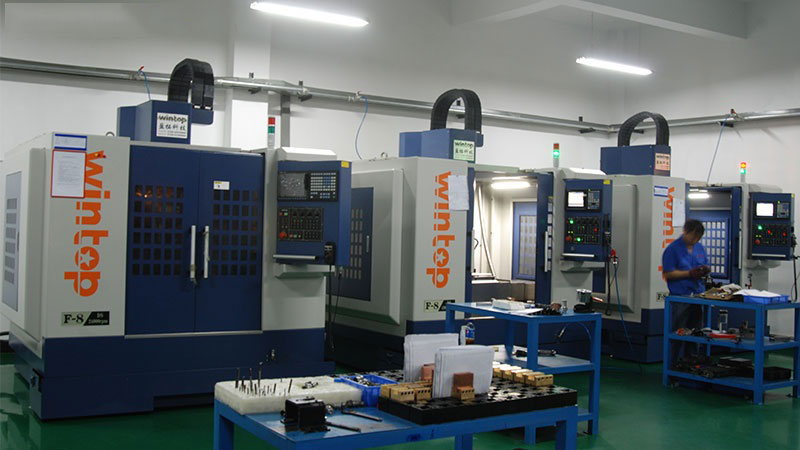
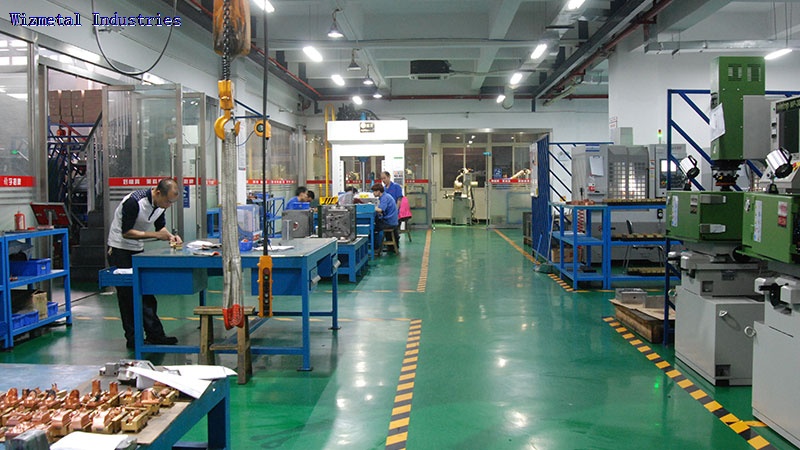
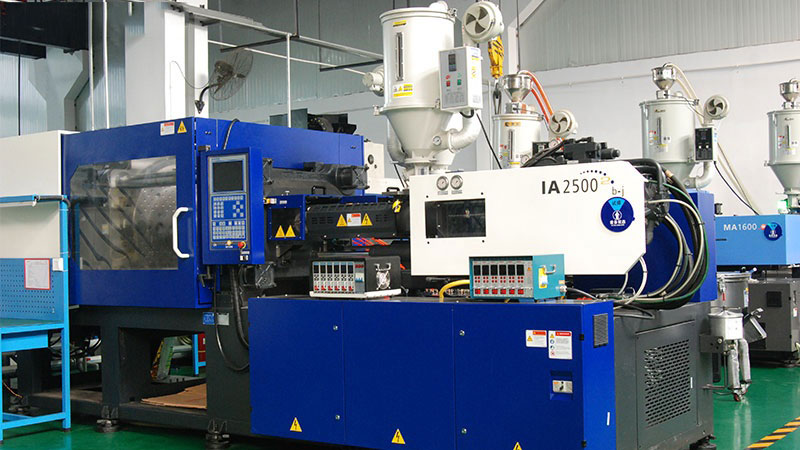
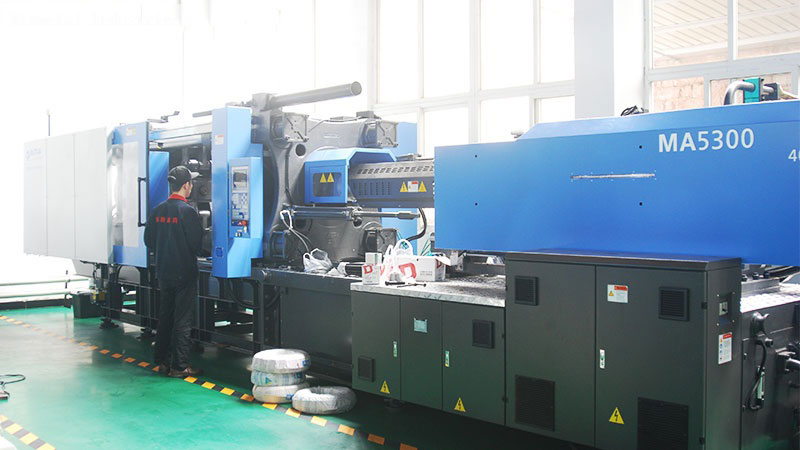
The foundational step in your procurement journey is rigorous supplier verification. In 2026, due diligence goes far beyond a cursory website check. Start by verifying business licenses and export credentials. Utilize third-party platforms like Alibaba’s Supplier Assessment reports, but dig deeper. Request a detailed company profile that outlines their specific experience with silicone and other elastomers, as the process differs markedly from standard **injection mold** manufacturing for hard plastics. The most critical action is to conduct a virtual factory audit. Insist on a live video tour of the production floor. Observe the machinery, workshop organization, and most importantly, ask to see ongoing projects similar to your intended product. This visual verification allows you to assess their capability, cleanliness standards (crucial for food-grade or medical silicone molds), and technological level firsthand before any commitment is made.
Once a potential partner is identified, defining and communicating specifications with absolute clarity is the single most important factor in preventing costly errors. A professional **silicone mold factory** thrives on precise data. Your technical package must be exhaustive. Beyond 3D drawings, specify the exact silicone material grade (e.g., Shore hardness, platinum-cure vs. tin-cure, FDA or LFGB certification requirements), expected production volume (cycles the mold must withstand), and critical tolerances. Include details on surface finish requirements—whether a glossy finish for detailed figurines or a textured one for grip. For complex parts, discuss and agree upon the mold design, including the gating system, venting, and any necessary inserts. Document every agreed-upon parameter in a formal Product Quality Plan (PQP) that is signed by both parties. This document becomes the bible for all subsequent quality control stages.
Proactive quality control is non-negotiable and must be integrated into the production timeline, not treated as an afterthought. The most effective strategy employs a multi-stage inspection protocol. First, insist on a First Article Inspection (FAI) once the initial mold is produced and sample castings are made. This involves a dimensional check of the sample parts against your CAD drawings using a Coordinate Measuring Machine (CMM) report. Do not accept vague “okay” assurances; demand quantifiable data. Second, implement a During Production Inspection (DPI) if you are ordering a batch of molds or a large-volume production run. This checks for consistency and identifies any tool wear or process drift. For ultimate assurance, partner with a reputable third-party quality inspection firm based in China. Their localized presence allows for unannounced factory visits and provides an objective, expert assessment, mitigating the risk of communication gaps or conflicts of interest from the factory’s own QC team.
Navigating the logistical and commercial intricacies is the final pillar of a successful import strategy. Understand the Incoterms clearly; FOB (Free On Board) is common, but clarify responsibilities for inland freight, port fees, and documentation. Ensure your chosen **China mold factory** has experience preparing all necessary export documents, including a detailed commercial invoice, packing list, and certificate of origin. For silicone molds, especially those for food contact, confirm they can provide material certifications and test reports (like MSDS or FDA compliance letters). Protect your financial interests by using secure payment methods. A staggered payment plan (e.g., 30% deposit, 40% after FAI approval, 30% before shipment) aligns incentives with project milestones. Finally, discuss post-sales support. A reliable supplier will offer a clear warranty on workmanship and materials, and be available to troubleshoot minor issues or guide you on mold maintenance, ensuring a long and productive mold life.
As the global manufacturing ecosystem advances, the procurement of silicone molds from China in 2026 will be defined by strategic partnership, data-driven verification, and embedded quality assurance. The journey from supplier identification to final delivery requires a methodical approach that prioritizes transparency and technical rigor. By mastering supplier verification, crystallizing specifications, enforcing staged inspections, and managing logistics with clear agreements, overseas buyers can transform the inherent complexities of international procurement into a competitive advantage. The objective is to move beyond a transactional relationship to collaborate with a **silicone mold factory** that is not just a supplier, but a guarantor of quality, innovation, and reliability for years to come.
Work With Us
As a professional China mold manufacturer, we provide one-stop mold solution for overseas buyers.
📞 Phone: +86-18605944639
💬 WhatsApp: +8618605944639
🌐 Website: bestmoldworks.com
📧 Email: [email protected]