Blog

  • custom injection mold manufacturer: Professional Buying 2026

    For overseas buyers, partnering with a custom injection mold manufacturer in China remains a strategic move to achieve significant cost savings and access advanced manufacturing capabilities. However, the landscape is evolving. Professional buying in 2026 demands more than just price comparisons; it requires a systematic approach to supplier verification, technical alignment, and risk management. This guide provides actionable insights to navigate the complexities of importing high-quality injection molds from China, ensuring your project’s success in the current market.

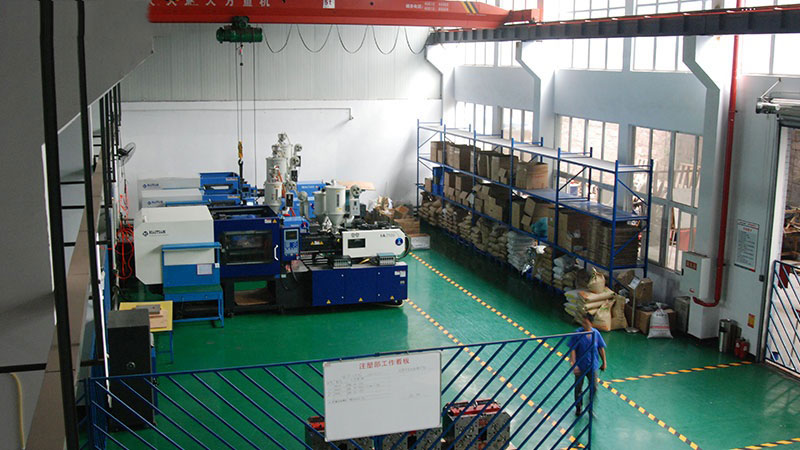
    The foundation of a successful import project is rigorous supplier verification. Moving beyond Alibaba listings is crucial. Start by identifying a China mold factory with a proven track record in your specific industry, whether automotive, medical, consumer electronics, or packaging. Scrutinize their portfolio for projects of similar complexity and material use. A professional audit, either conducted by your team or a trusted third-party inspection agency, is invaluable. This should assess not just machinery but also engineering processes, quality management systems, and the team’s technical English proficiency. Verification in 2026 also means checking digital footprints, including their use of modern project management tools and communication platforms, which are strong indicators of operational transparency.

    Once a potential partner is shortlisted, mastering the technical and commercial quotation process is your next critical step. A professional custom injection mold manufacturer will provide a detailed breakdown, not a single lump sum. Expect clarity on mold base standards, steel grade and heat treatment, cavity and core machining tolerances, ejection system design, and the scope of surface finishing. Crucially, define the terms for sampling and mold qualification. The quote should specify the number of trial shots included, who bears the material cost for trials, and the acceptance criteria for the first article inspection. This level of detail prevents costly misunderstandings and establishes a clear benchmark for the injection mold’s performance before mass production begins.

    Effective quality control cannot be an afterthought; it must be engineered into the procurement process from day one. Insist on a staged inspection protocol integrated into the project timeline. Key inspection points typically include a Design for Manufacturability review, steel material certification checks, a critical dimension check after CNC machining, a trial run at the factory, and a final pre-shipment audit. Utilize detailed inspection checklists and agreed-upon measurement reports. For high-precision molds, consider mandating the use of Coordinate Measuring Machines for critical components. Building a relationship with the factory’s QC team and conducting video calls during pivotal stages can provide additional oversight and foster a culture of quality.

    The final stages of procurement—logistics, IP protection, and after-sales—are where many projects encounter unforeseen challenges. For logistics, understand Incoterms 2020 thoroughly. FOB is common, but for high-value molds, consider the control offered by CIF. Ensure the China mold factory has experience in proper mold packaging for ocean freight to prevent rust and damage. Intellectual property protection starts with a well-drafted Non-Disclosure Agreement and a product confidentiality agreement under Chinese law. Furthermore, discuss and contractually secure after-sales support. This includes warranty terms for wear and tear, the process for repairing or modifying the mold, and the availability of spare components like heaters and sensors. A reliable supplier will view this as a long-term partnership.

    In conclusion, professional buying for injection mold procurement in 2026 is a disciplined, detail-oriented process that balances cost with risk mitigation. The goal is to transform a complex international transaction into a seamless extension of your own production engineering. By prioritizing thorough supplier verification, demanding technical transparency in quotations, implementing proactive quality control, and securing logistical and after-sales terms, you position your project for success. The right custom injection mold manufacturer in China is not merely a vendor but a strategic partner capable of delivering precision, reliability, and value, driving your product’s competitiveness in the global market.

    Work With Us

    As a professional China mold manufacturer, we provide one-stop mold solution for overseas buyers.
    📞 Phone: +86-18605944639
    💬 WhatsApp: +8618605944639
    🌐 Website: bestmoldworks.com
    📧 Email: [email protected]
  • OEM mold: Best Suppliers & Quality Control 2026 | China Mold Factory

    For overseas buyers, sourcing an OEM mold from China represents a significant strategic advantage, offering unparalleled cost efficiency and manufacturing scalability. However, the path to a successful procurement journey is often paved with challenges: identifying a truly capable partner amidst a sea of options, ensuring rigorous quality standards, and managing a complex process across languages and time zones. This guide is designed to cut through the noise, providing actionable, professional insights for 2026 and beyond. We will focus on practical strategies for supplier verification and robust quality control protocols, turning the potential pitfalls of importing injection molds into a streamlined, reliable advantage for your business.

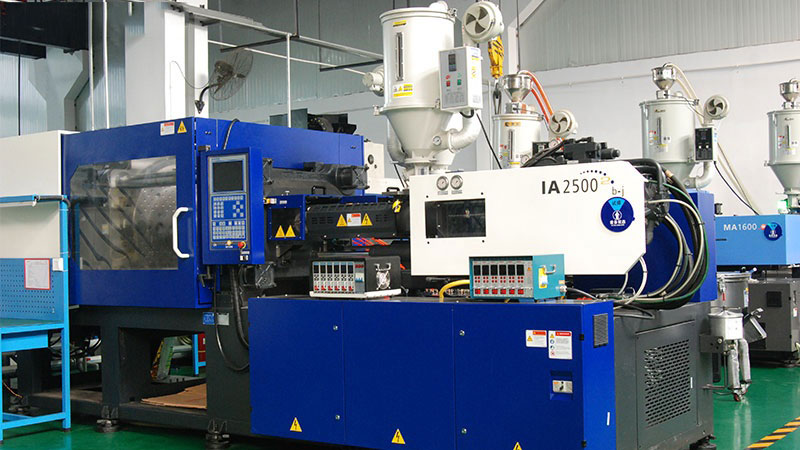
    The foundation of any successful import project is a thoroughly vetted China mold factory. Moving beyond basic Alibaba listings is crucial. Begin with a deep-dive into the supplier’s specialization. A factory claiming to make “everything” often masters nothing. Seek out manufacturers with proven experience in your specific industry, whether automotive components, consumer electronics, medical devices, or precision gears. Request and meticulously review their project portfolio, asking for case studies similar to your OEM mold in complexity, material, and volume. Third-party verification platforms can provide initial background checks, but there is no substitute for a virtual or, ideally, in-person audit. A professional factory will readily arrange a video tour of their facility, showcasing their CNC machining centers, EDM equipment, and injection molding machines for testing. This transparency is your first indicator of reliability.

    Once a shortlist is established, formalize the technical dialogue. The most critical step here is the mold design and DFM (Design for Manufacturability) review. A reputable supplier will not simply quote on your provided drawings; their engineering team should proactively engage in a collaborative DFM process. They will analyze part design, suggesting modifications for improved mold flow, easier ejection, enhanced durability, and cost reduction without compromising function. This phase prevents costly revisions later. The procurement process must be anchored by a comprehensive, itemized quotation and a legally binding technical agreement. This document should detail everything: steel grade (e.g., pre-hardened 718H, stainless 420, or hardened S136), mold life expectancy (number of shots), cavity and core materials, hot runner system brand, cooling layout, surface finish specifications, and all deliverables (2D/3D drawings, mold trial reports, sample parts). Clarity here eliminates “scope creep” and misunderstandings.

    Implementing a staged quality control system is non-negotiable for protecting your investment. Do not wait until the final inspection to discover issues. Insist on milestone inspections and reports. Key checkpoints include: a material certification review for the mold steel, a pre-assembly inspection of critical components like sliders and lifters, and a First Article Inspection (FAI) after the initial mold trial. The T1 sample run is perhaps the most vital stage. You should receive not just sample parts but a detailed mold trial report documenting process parameters (injection speed, pressure, temperature, cycle time), measurements of critical dimensions, and photos or videos of the trial. Many top-tier factories now offer real-time monitoring, allowing your engineers to witness trials remotely. Partnering with a local third-party QC agency for a final pre-shipment inspection (PSI) provides an additional, unbiased layer of assurance, verifying that the finished OEM mold meets all agreed specifications before it leaves the factory floor.

    Effective communication and project management bridge the geographical gap. Establish a single point of contact on both sides, preferably someone with technical English proficiency. Utilize collaborative tools like shared cloud folders for drawings and reports, and professional project management platforms to track progress against agreed timelines. Understand and respect cultural nuances; building a relationship based on mutual respect and clear, consistent communication often yields better cooperation than purely transactional interactions. Furthermore, discuss post-sales support upfront. A reliable supplier will provide a clear warranty period for the mold and commit to responsive support for maintenance, spare parts, or future modifications. This long-term perspective transforms a one-time vendor into a strategic manufacturing partner.

    In conclusion, importing a high-quality injection mold from China in 2026 demands a methodical, informed approach that prioritizes verification and proactive quality management. The goal is not to find the cheapest supplier, but the most capable and transparent China mold factory that aligns with your technical and commercial requirements. By rigorously vetting suppliers, engaging deeply in the DFM process, enforcing staged QC inspections, and fostering clear communication, you mitigate risks and unlock the full value of Chinese manufacturing. A successfully sourced OEM mold becomes a durable asset, enabling you to produce components at a competitive edge for years to come. Start your next procurement project with these strategies, and transform the complexity of overseas sourcing into a reliable cornerstone of your supply chain.

    Work With Us

    As a professional China mold manufacturer, we provide one-stop mold solution for overseas buyers.
    📞 Phone: +86-18605944639
    💬 WhatsApp: +8618605944639
    🌐 Website: bestmoldworks.com
    📧 Email: [email protected]
  • cheap injection mold: Best Suppliers & Quality Control 2026

    For overseas buyers, the prospect of sourcing a cheap injection mold from China presents a powerful opportunity to reduce upfront tooling costs and enhance product competitiveness. However, the journey from a CAD file to a high-quality, reliable mold in your production line is fraught with potential pitfalls. The true challenge lies not in finding a low price, but in securing that price without catastrophic compromises in durability, precision, and timeline. This guide for 2026 cuts through the noise, offering a strategic framework for procurement that balances cost with unwavering quality control, ensuring your investment in a China mold factory pays long-term dividends.

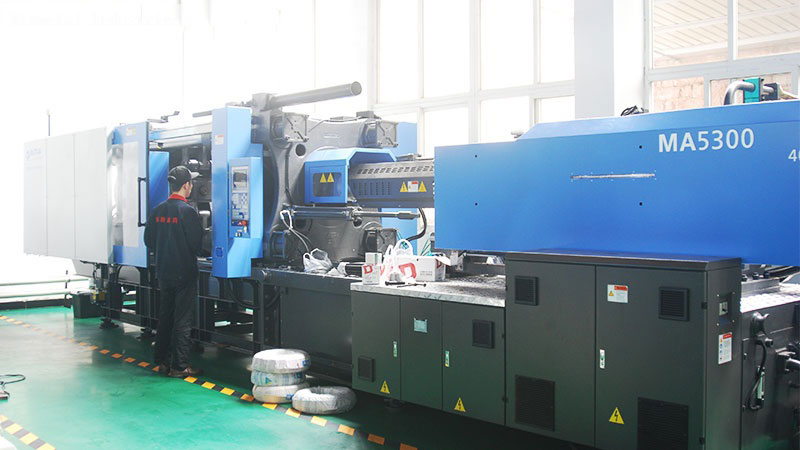
    The foundational step in securing a viable cheap injection mold is rigorous supplier verification. The landscape of Chinese manufacturers is vast and varied, ranging from world-class automated facilities to undersized workshops. Your due diligence must be proactive and multi-faceted. Begin by verifying business licenses and export credentials. Utilize video calls to conduct virtual factory tours; insist on seeing live production floors, mold trials, and quality labs rather than curated promotional videos. Demand a portfolio of past projects, specifically for overseas clients in your industry, and request contactable references. In 2026, leveraging professional third-party verification services or platforms with vetted supplier lists is increasingly wise. This initial investment of time filters out unqualified vendors and aligns you with partners capable of meeting international standards, transforming a simple price inquiry into a strategic procurement partnership.

    Once a shortlist of competent suppliers is established, the focus shifts to technical clarification and quotation analysis. A precise, comprehensive Request for Quotation (RFQ) package is your strongest tool. This must include detailed 3D CAD files (STEP or IGS), 2D drawings with critical tolerances, material specifications for both the mold and the final part, expected production volume, and cycle time targets. Ambiguity here invites cost-cutting on materials and craftsmanship. When quotations arrive, conduct a line-item comparison. Scrutinize the grade of mold steel (e.g., P20, 718, S136), the brand of standard components (like HASCO or DME), and the proposed cooling system design. A suspiciously cheap injection mold quote often economizes on these core elements, leading to premature wear, part defects, and costly downtime. Question any significant deviations and understand the rationale behind them.

    The heart of securing quality lies in a structured, pre-agreed Quality Control (QC) protocol, integrated into the mold manufacturing timeline. Do not treat QC as a final inspection; it must be a continuous process. Key inspection points should include: a First Article Inspection (FAI) of the mold steel and core/cavity blocks, an in-process inspection during machining, and a critical Pre-Shipment Sample (PPS) or Trial Run Report. For the PPS, you should receive high-resolution photos and videos of the trial, samples of produced parts, and a detailed dimensional inspection report (often using CMM data). Specify the testing conditions: number of shots, material used, and key performance parameters. For higher-volume projects, consider engaging a local third-party QC agency in China to conduct these inspections on your behalf. This layer of oversight provides objective validation and prevents the “ship and pray” scenario, ensuring the tool meets all functional requirements before it leaves the factory.

    Effective communication and contract clarity are the ligaments that bind this process together. Clearly define all terms in a formal purchase agreement: payment schedule (e.g., 30% deposit, 40% after T1 sample approval, 30% before shipment), intellectual property ownership, warranty period (typically 12-18 months against workmanship and material defects), and liability for delays. Establish primary and secondary communication channels and regular update intervals. Use shared cloud folders for drawings, reports, and approvals to maintain a single source of truth. Remember, a professional China mold factory expects and respects clear contracts. They protect both parties and provide a clear roadmap for resolution should issues arise, making the procurement process transparent and predictable.

    Finally, adopt a total cost of ownership (TCO) perspective. The initial price of the mold is just one component. Consider the mold’s lifespan, maintenance needs, energy efficiency (through optimized cooling), and its impact on your production cycle times. A slightly higher initial investment in a robust mold from a verified supplier often yields far lower cost per part over its lifetime. Plan for post-sales support: ensure the supplier provides a comprehensive mold manual, including maintenance schedules and spare parts list. Discuss their policy for design modifications or repairs. A reliable partner will support you beyond the sale, safeguarding your production continuity.

    In conclusion, sourcing a cheap injection mold from China in 2026 is a highly achievable and strategic move, but it demands a disciplined, informed approach. The pathway to success bypasses the lure of the lowest bid and instead focuses on meticulous supplier verification, technical rigor, and embedded quality control from design to delivery. By treating your mold supplier as a long-term technical partner and investing in transparency at every stage, you transform the procurement of an injection mold from a cost center into a cornerstone of your product’s quality and market success. The goal is not merely to buy a tool, but to secure a reliable, efficient manufacturing asset that delivers value for years to come.

    Work With Us

    As a professional China mold manufacturer, we provide one-stop mold solution for overseas buyers.
    📞 Phone: +86-18605944639
    💬 WhatsApp: +8618605944639
    🌐 Website: bestmoldworks.com
    📧 Email: [email protected]
  • Custom Silicone Mold with Logo: Professional Buying Gu 2026

    For overseas businesses, from startups to established brands, sourcing custom manufacturing components is a pivotal step in product development. Among these, creating a custom silicone mold with logo represents a significant opportunity for branding and product differentiation. However, navigating the procurement landscape in China can be daunting. This 2026 guide is designed to cut through the complexity, offering a professional, actionable roadmap for overseas buyers to successfully import high-quality, logo-embossed silicone molds from reliable Chinese partners. We focus on solving real problems in supplier verification, communication, and quality control to ensure your investment drives value.

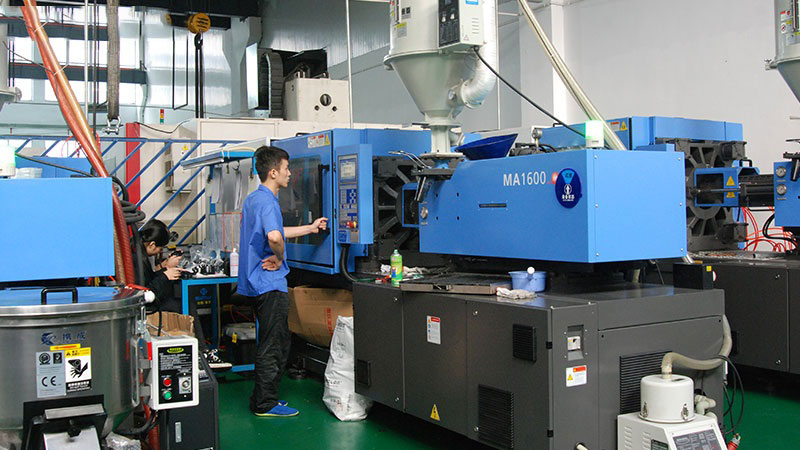
    The journey begins long before a request for quotation is sent. Comprehensive supplier verification is the non-negotiable first step. In 2026, due diligence extends beyond a simple website check. Start by identifying specialized China mold factories with proven expertise in silicone and rubber injection mold technology. Scrutinize their online portfolio for projects similar to your desired custom silicone mold with logo. Utilize B2B platforms but prioritize suppliers with verifiable export credentials and client testimonials. The most critical action is to request and conduct a virtual factory audit. A reputable supplier will readily provide a live video tour, showcasing their workshop, machinery like liquid silicone rubber (LSR) injection molding machines, and quality control stations. This transparency is your first indicator of professionalism and capability.

    Once a shortlist of potential partners is established, mastering the technical and commercial dialogue is key. Your inquiry must be a comprehensive data package. Beyond a simple logo file, provide detailed 2D drawings or 3D CAD models specifying material grade (e.g., FDA-approved LSR), hardness (Shore A), color, and critical tolerances. Explicitly detail the logo requirements: is it embossed or debossed? What is the depth and minimum stroke width? Clearly state your expected annual volume, as this influences mold design and pricing. A professional China mold factory will respond with a detailed mold design proposal, often with DFM (Design for Manufacturability) feedback to optimize your part for cost and performance. This collaborative technical review phase is where potential issues are solved on paper, preventing costly mold modifications later.

    The core of your procurement success lies in a meticulously structured quality control protocol. Never assume standards are universally understood. Define and agree upon every quality parameter before production begins. For a logo-embossed product, this includes providing approved limit samples that define acceptable logo sharpness, depth, and visual appearance. Specify the required quality inspection reports, such as First Article Inspection (FAI), dimensional reports, and material certification. For injection mold projects, insist on witnessing the Trial Run Report (T1 sample) and approve mass production only after you have received and physically inspected pre-shipment samples from the production batch. Consider engaging a local third-party quality inspection service for impartial pre-shipment audits, especially for initial orders. This layered QC approach protects your brand and ensures the delivered goods match your specifications exactly.

    Navigating logistics, payment, and intellectual property (IP) protection requires strategic planning. Opt for Incoterms like FOB (Free On Board) that give you greater control over shipping and freight costs. For payment, a balanced approach is standard: 30-50% deposit with order confirmation, with the balance paid against copy of shipping documents or after pre-shipment inspection. To protect your logo and mold design, a formal Non-Disclosure Agreement (NDA) and a Mold Ownership Agreement are essential. The latter should explicitly state that you own the intellectual property and the physical mold tooling, which is stored at the factory for your exclusive production. This prevents the supplier from using your custom silicone mold with logo for other clients. Ensure all agreements are reviewed by legal counsel familiar with international trade.

    Building a successful import partnership is a long-term endeavor. View your chosen China mold factory not just as a vendor, but as a strategic extension of your manufacturing team. Foster clear, consistent communication through structured weekly updates during tooling and production phases. Plan for potential challenges like minor tooling adjustments or seasonal shipping delays by building buffer time into your product launch schedule. After a successful order, conduct a joint review to discuss improvements for future projects. This professional approach transforms a transactional purchase into a resilient supply chain asset, paving the way for scaling your product line with confidence.

    In conclusion, importing a custom silicone mold with logo from China in 2026 demands a blend of rigorous due diligence, precise communication, and proactive quality management. The process, from in-depth supplier verification to enforcing strict quality control protocols, is designed to mitigate risk and secure a competitive advantage. By following this professional buying guide, overseas buyers can confidently engage with specialized injection mold suppliers, ensuring that the final product—a high-quality, brand-defining silicone item—meets exact specifications and supports business growth. The goal is not merely to buy a mold, but to establish a reliable, transparent manufacturing partnership that delivers consistent value for years to come.

    Work With Us

    As a professional China mold manufacturer, we provide one-stop mold solution for overseas buyers.
    📞 Phone: +86-18605944639
    💬 WhatsApp: +8618605944639
    🌐 Website: bestmoldworks.com
    📧 Email: [email protected]
  • mold manufacturer: Complete Procurement Guide 2026

    For overseas businesses, partnering with a capable mold manufacturer in China remains one of the most strategic decisions to achieve cost efficiency and scale production. However, the journey from sourcing to receiving a perfect mold is fraught with potential pitfalls. This guide is crafted for 2026, addressing evolving challenges and providing a clear, actionable roadmap for procurement professionals and engineers. We move beyond generic advice to solve the real problems you face in supplier verification, communication, quality control, and logistics.

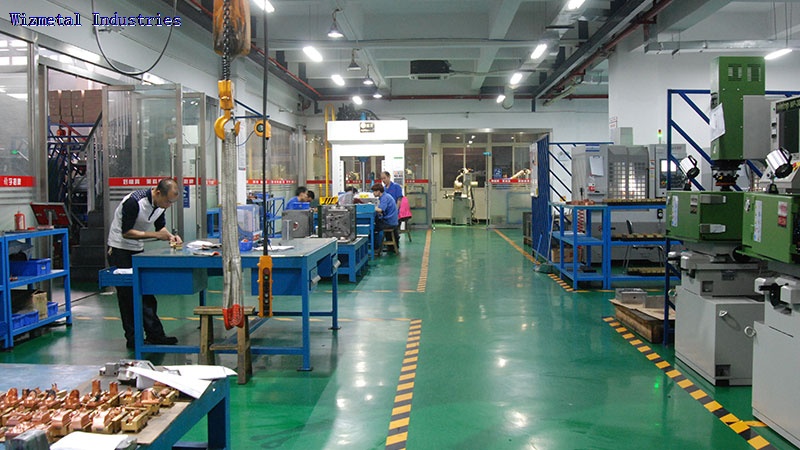
    The foundation of a successful import project is identifying and vetting the right China mold factory. In 2026, digital verification is more sophisticated than ever. Start with a deep-dive analysis of a supplier’s digital footprint. Scrutinize their professional website for technical blogs, detailed case studies, and engineering-focused content rather than just a glossy gallery. Use platforms like LinkedIn to check the profiles of their engineering and management staff for credibility. Crucially, move past Alibaba chat and insist on a video conference tour of their facility. A reputable supplier will readily show you their CNC machining centers, EDM equipment, mold trial areas, and quality control stations in real-time. This step filters out trading companies and under-equipped workshops. Always request and physically validate past project samples or, for ongoing projects, recent inspection reports (FAI, dimensional reports) from a third-party you trust in China.

    Once a potential partner is shortlisted, mastering the technical and commercial discussion is critical. The core of your interaction will be the Request for Quotation (RFQ). To obtain accurate and comparable quotes, your RFQ must be exceptionally detailed. Beyond part drawings, include the intended material (e.g., PP, ABS, PC-ABS), annual production volume, expected mold life (number of shots), and critical tolerances. Specify your requirements for the mold base steel (such as P20, 718, S136), cavity/core steel, and surface finish. Clearly state who will be responsible for designing the injection mold—you, them, or a collaborative effort. Discuss and agree upon a milestone-based payment schedule (e.g., 30% deposit, 40% after T1 sample approval, 30% before shipment). This clarity prevents 90% of disputes and ensures all bidders are quoting on the same scope of work.

    Implementing a rigorous, multi-stage quality control protocol is non-negotiable. For overseas buyers, relying solely on final inspection is a high-risk strategy. The 2026 standard involves integrated QC at key milestones. First, conduct a pre-production meeting (PPM) after order placement to review all specifications and the QC plan. The second critical point is the First Article Inspection (FAI) after the T1 sample is produced from the finished mold. This is where you, or a hired local inspection agency, meticulously measure the sample parts against the CAD drawings. Do not approve samples from hand-picked parts; insist on samples from a continuous 8-hour mold trial run to assess stability. Furthermore, mandate a final inspection before shipment, which includes checking the mold for workmanship, completeness of spare parts, and proper preservation. Document every stage with high-resolution photos and videos.

    The final phase encompasses logistics, after-sales support, and intellectual property (IP) protection. Understand Incoterms 2026 thoroughly; FOB Shanghai/Shenzhen is common, but EXW might offer more control over your freight forwarder. Ensure the China mold factory provides a comprehensive mold manual, including 2D drawings, maintenance instructions, and a list of interchangeable components. A clear after-sales service agreement should cover the warranty period (typically 12-18 months), response time for issues, and the cost structure for repairs or modifications. Regarding IP, while China has strengthened its legal framework, practical protection is key. Sign a robust NNN (Non-Use, Non-Disclosure, Non-Circumvention) agreement before disclosing any technical data, and consider registering your design patents in China. Work with suppliers who have a reputation to uphold in your industry, as their business longevity is often their best guarantee.

    In conclusion, importing molds from China in 2026 demands a blend of traditional diligence and modern verification techniques. The process hinges on selecting a technically proficient mold manufacturer through rigorous digital and physical audits, followed by crystal-clear technical communication and a non-negotiable, staged quality control regime. By treating the procurement process as a collaborative engineering project rather than a simple purchase, you mitigate risks and build a partnership that delivers value far beyond initial cost savings. The right China mold factory becomes an extension of your production team, enabling innovation and competitive advantage in your market. This guide provides the framework; your detailed execution will determine the success of your next injection mold project.

    Work With Us

    As a professional China mold manufacturer, we provide one-stop mold solution for overseas buyers.
    📞 Phone: +86-18605944639
    💬 WhatsApp: +8618605944639
    🌐 Website: bestmoldworks.com
    📧 Email: [email protected]
  • custom plastic mold manufacturer near me: Expert Tips 2026

    For overseas buyers, the search for a “custom plastic mold manufacturer near me” often concludes not with a local factory, but with the realization that China offers the optimal blend of technical expertise, scalability, and cost-effectiveness. However, navigating the vast landscape of Chinese manufacturing presents distinct challenges. The geographical and cultural distance can amplify risks in procurement, communication, and quality control. This guide provides actionable, forward-looking strategies for 2026, designed to help you bridge that gap and establish a successful, reliable partnership with a China mold factory.

    The core challenge in 2026 is not merely finding a manufacturer, but efficiently identifying and vetting a capable partner in a complex market. The initial online search for a “custom plastic mold manufacturer near me” is a starting point, but it must evolve into a targeted global procurement strategy. Success hinges on moving beyond basic price comparisons to a deep evaluation of technical capability, process transparency, and long-term reliability. The following tips are structured to guide you from initial supplier discovery to sustained production quality.

    Begin with Meticulous Supplier Verification and Capability Assessment. The first and most critical step is thorough due diligence. In 2024, simply reviewing a company website is insufficient. Request a detailed company profile, but go further. Ask for a facility video tour that shows not just clean aisles, but active production floors, quality labs, and mold testing areas. Verify business licenses and export credentials. Crucially, examine their project portfolio for molds similar to yours in complexity, material, and industry. A supplier specializing in high-cavitation, tight-tolerance medical molds may not be the best fit for large, single-cavity automotive components. Demand to speak directly with their project engineers to gauge their understanding of your design intent and potential challenges. This proactive verification filters out trading companies and unqualified workshops, directing you to a true manufacturing partner.

    Prioritize Design for Manufacturability and Transparent Communication. The most significant cost and timeline savings occur at the design stage. Engage your chosen China mold factory early, before your 3D design is finalized. A reputable injection mold partner will provide a formal Design for Manufacturability analysis, highlighting potential issues like undercuts, wall thickness inconsistencies, or problematic gate locations that could affect part quality, tool longevity, or cycle time. Utilize collaborative tools: shared cloud folders for drawings, regular video conferences using screen-sharing for design reviews, and clear, documented communication protocols. Assign a single point of contact on both sides who is technically fluent. This collaborative approach prevents costly redesigns and rebuilds later, ensuring the mold is engineered correctly from the outset.

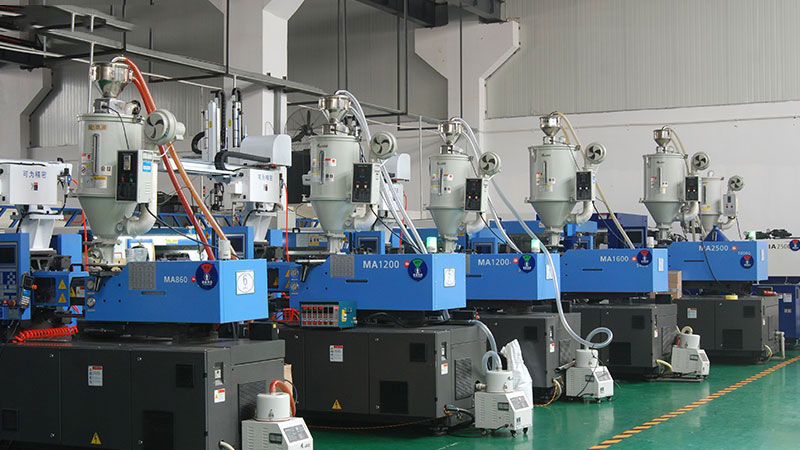
    Implement a Structured, Evidence-Based Quality Control Protocol. Quality cannot be an afterthought; it must be contractually embedded into the process. Define and agree upon a comprehensive Quality Control Plan before production begins. This should include staged inspection points: First Article Inspection after mold trial, using coordinate measuring machine reports and material certifications for the test shots. Critical dimensions must be clearly defined on the part drawing. For ongoing production, specify the frequency and sampling size for dimensional checks and visual inspections. Many reputable suppliers now offer remote live inspections via video stream, allowing your team to witness mold trials and part inspections in real-time. Consider partnering with a local third-party quality control agency for final pre-shipment audits. This multi-layered QC strategy provides objective evidence of compliance and protects your investment.

    Plan for Logistics, IP Protection, and Long-Term Partnership. The journey does not end when the mold is approved. Secure your intellectual property with a well-drafted Non-Disclosure Agreement and consider registering your design in China. Discuss and agree on terms for mold ownership, storage, and maintenance. Who holds the mold? What are the costs for storage and preventative maintenance? Clarify shipping terms and responsibilities. For the injection mold itself, ensure proper packaging to prevent damage in transit. Finally, view this procurement as the start of a partnership. A reliable supplier is an asset that can support product iterations, maintenance, and future projects. Building a relationship based on clear expectations, mutual respect, and professional conduct will yield far greater value than constantly seeking the lowest bidder for each new project.

    In conclusion, while the search for a “custom plastic mold manufacturer near me” may begin locally, the strategic solution for 2026 lies in mastering the process of engaging specialized partners in China. By rigorously verifying suppliers, fostering collaborative design, enforcing structured quality control, and planning for the full lifecycle of the mold, overseas buyers can mitigate risks and unlock significant value. The goal is to transform a distant China mold factory into a transparent and reliable extension of your own operations, ensuring that your custom injection mold project is delivered on time, to specification, and at a competitive total cost of ownership.

    Work With Us

    As a professional China mold manufacturer, we provide one-stop mold solution for overseas buyers.
    📞 Phone: +86-18605944639
    💬 WhatsApp: +8618605944639
    🌐 Website: bestmoldworks.com
    📧 Email: [email protected]

  • injection mold factory near me: Complete Procurement Gu 2026

    For overseas buyers, the search for a reliable “injection mold factory near me” often leads to a global marketplace, with China standing as the predominant hub for precision tooling. However, procuring high-quality injection molds from China is a nuanced process that extends far beyond a simple supplier search. This guide is designed to demystify the journey, offering a structured, actionable framework for 2026. We move past generic advice to provide a professional roadmap for verifying partners, ensuring quality, and securing a return on your investment, transforming the challenge of distance into a strategic advantage.

    The initial search phase is critical. While online B2B platforms offer a starting point, they are merely a directory. Your goal is to identify China mold factory candidates with proven expertise in your specific industry—be it automotive components, medical devices, consumer electronics, or packaging. Utilize detailed keyword searches that include your material (e.g., POM, PC/ABS) and product type. However, the real work begins once you have a shortlist. A professional procurement strategy mandates moving the evaluation offline. Initiate video calls to tour facilities virtually; a reputable supplier will readily showcase their workshop, machinery (look for modern CNC, EDM, and injection molding machines for testing), and quality control stations. This step filters out trading companies masquerading as factories and aligns you with true manufacturing partners.

    Supplier verification is the non-negotiable cornerstone of your procurement process. In 2026, due diligence must be multi-layered. First, verify business licenses and export credentials. Second, and most importantly, insist on client references, specifically from overseas clients in your region. Contact these references to inquire about communication, problem-solving, and post-sales support. Third, consider commissioning a third-party verification report from inspection agencies familiar with the Chinese industrial landscape. These reports assess manufacturing capabilities, financial stability, and operational integrity. Furthermore, evaluate their engineering support. A competent injection mold partner will have a skilled design team that can review your CAD files for manufacturability (DFM), suggest improvements to reduce cost and enhance mold life, and provide detailed mold flow analysis reports. Their proactive engineering input is a strong indicator of quality and professionalism.

    A meticulously negotiated contract and transparent payment terms are your primary safeguards. The contract must be explicit, covering all technical specifications (steel grade, cavity polish standards, tolerances, lifecycle expectations), intellectual property ownership, delivery schedule with milestones, and protocols for handling delays or defects. Adopt a staggered payment schedule tied to clear deliverables: a deposit upon contract signing, a milestone payment after First Article Inspection (FAI) approval, and the final balance before shipment. Never opt for 100% upfront payments. Regarding quality control, you cannot afford a “ship and hope” approach. Define your QC requirements upfront. Mandate pre-shipment inspections at the factory, conducted either by your appointed agent or a third-party inspection service. Critical checkpoints include a thorough First Article Inspection using CMM reports to validate dimensions against your drawings, and a T1 sample trial run to assess the actual molded parts for fit, function, and finish. This phased approval process ensures issues are identified and resolved before mass production begins.

    Effective communication and logistics planning are what separate successful long-term partnerships from failed transactions. Establish clear, structured communication channels. Designate a single point of contact on both sides who is technically proficient. Use shared project management tools or cloud platforms for tracking design revisions, approvals, and action items. Be mindful of the cultural context; clear, detailed, and written instructions prevent misunderstandings. For logistics, work with your chosen injection mold factory to determine the optimal shipping method—air freight for urgency, sea freight for cost-effectiveness for large molds. Ensure they have experience in proper mold packaging (weatherproof, shock-absorbent crating) and handling export documentation professionally. Finally, discuss post-sales support. Understand their policy on mold maintenance, repair, and the process for future modifications. A reliable supplier will stand behind their work and support the mold throughout its operational life.

    In conclusion, finding the right injection mold factory near you, in a global sense, is a deliberate process of strategic sourcing rather than a simple purchase. By redefining your search to focus on verified, communicative, and technically adept partners in China, you unlock significant value. The 2026 procurement landscape demands a professional approach: rigorous supplier verification, iron-clad contracts, embedded quality control checkpoints, and strategic communication. When executed correctly, this comprehensive guide leads you to a China mold factory that becomes an extension of your own R&D and production team, delivering not just a tool, but a foundation for product quality and market success. The goal is not merely to import an injection mold, but to forge a partnership that drives your competitive edge for years to come.

    Work With Us

    As a professional China mold manufacturer, we provide one-stop mold solution for overseas buyers.
    📞 Phone: +86-18605944639
    💬 WhatsApp: +8618605944639
    🌐 Website: bestmoldworks.com
    📧 Email: [email protected]

  • mold factory: Professional Buying Guide 2026 | China Mold Factory

    For overseas buyers, sourcing precision tooling from a Chinese mold factory represents a significant strategic advantage, offering unparalleled cost efficiency and manufacturing scalability. However, the path to a successful partnership is often paved with complexities, from supplier verification to consistent quality assurance. This professional guide for 2026 cuts through the noise to provide actionable, real-world strategies for importing high-quality injection molds from China, ensuring your procurement process is robust, transparent, and results-driven.

    The cornerstone of successful procurement begins long before a quote is requested. Comprehensive supplier verification is non-negotiable. Move beyond Alibaba storefronts. Demand to see an operational audit, either through a verified third-party service or a detailed virtual factory tour. A professional China mold factory will readily showcase its CNC machining centers, EDM equipment, and CMM inspection rooms. Scrutinize their portfolio for projects similar in complexity, material, and industry to yours. Specifically, ask for case studies or client references from your region. Verify business licenses and export history. This due diligence filters out trading companies masquerading as manufacturers and identifies partners with genuine engineering capability and a track record of international collaboration.

    Once a shortlist of potential partners is established, mastering the technical and commercial quotation process is critical. The cheapest quote for an injection mold is invariably the most expensive in the long run. Insist on a detailed, itemized breakdown. This should include mold base steel grade (e.g., P20, 718, S136), cavity and core material, estimated lifespan in shots, surface finish specifications, and the scope of T1 sample testing. Clearly define deliverables: Are hot runner systems included? What about mold flow analysis? How many revisions are covered? For procurement efficiency, use this detailed quote as a comparative benchmark between suppliers. A transparent quote reflects a transparent manufacturing process and aligns expectations, preventing costly misunderstandings during production.

    Effective quality control cannot be an afterthought; it must be engineered into the process from day one. Agree on a staged inspection protocol with your chosen mold factory. Critical milestones typically include a design review (DFM report), first article inspection of key components like mold cores and cavities, and a full assembly check before the T1 sample is shipped. Partner with a local third-party quality inspection firm specializing in tooling to conduct these inspections. They can verify hardness tests, dimensional accuracy with CMM reports, and surface finishes. For the T1 sample, the focus shifts from the tool to the product. Establish clear sample approval criteria based on dimensional tolerances, cosmetic standards, and part weight. This proactive, evidence-based approach mitigates risk and ensures the final tool meets your exact specifications.

    Navigating logistics, intellectual property protection, and post-sales support finalizes a professional procurement strategy. Use Incoterms precisely—FOB Shanghai is standard, giving you control over shipping and insurance. Ensure all IP protections are detailed in a formal contract, including non-disclosure and non-circumvention agreements. Discuss post-sales support explicitly: What is the warranty period for workmanship and materials? How are repair or maintenance requests handled? A reliable supplier will offer clear terms, often providing spare parts like ejector pins and offering guidance on mold maintenance. Establishing these protocols upfront ensures a sustainable, long-term partnership beyond the initial transaction.

    Importing molds from China is a proven method to enhance competitive advantage, but it demands a disciplined, informed approach. The landscape in 2026 favors buyers who prioritize engineering partnership over transactional purchasing. By rigorously verifying your China mold factory, demanding technical transparency, implementing staged quality control, and formalizing support terms, you transform potential challenges into a streamlined pipeline for high-quality tooling. This professional framework not only secures a superior injection mold but also builds a foundational manufacturing relationship that can scale and adapt to your future production needs.

    Work With Us

    As a professional China mold manufacturer, we provide one-stop mold solution for overseas buyers.
    📞 Phone: +86-18605944639
    💬 WhatsApp: +8618605944639
    🌐 Website: bestmoldworks.com
    📧 Email: [email protected]

  • custom molded part: Best Suppliers & Quality Control 2026

    For overseas buyers, sourcing a custom molded part from China represents a significant opportunity to achieve cost efficiency without compromising on quality. The journey, however, from initial concept to receiving a batch of flawless components, hinges on two critical pillars: identifying the best suppliers and implementing rigorous quality control. As we look toward 2026, the landscape is evolving with smarter technology and higher expectations. This guide provides a professional, actionable framework to navigate the procurement process successfully, ensuring your project’s success from the first drawing to final shipment.

    The foundation of any successful import project is a thoroughly vetted China mold factory. Supplier verification is not a single step but a multi-stage due diligence process. Begin by moving beyond basic online directories. Utilize industry-specific B2B platforms, but prioritize factories with verifiable credentials such as ISO 9001 certification and a documented history of serving international clients. The most critical action is to conduct a virtual or, ideally, in-person audit. Request a live video tour of their facility; observe their machinery (look for modern injection molding machines and CNC equipment), their workshop organization (5S principles are a good indicator), and their engineering team’s capability. Always ask for and contact past overseas clients for references. In 2026, transparency is non-negotiable, and a reputable supplier will have nothing to hide.

    Once a potential partner is identified, the focus shifts to the technical heart of the project: the injection mold itself. This tool is where your investment is most concentrated and where future part quality is determined. Clear communication of your specifications is paramount. Provide comprehensive 3D drawings (STEP or IGES files) and 2D technical drawings with GD&T (Geometric Dimensioning and Tolerancing) callouts. Discuss critical factors upfront with the manufacturer: mold material (pre-hardened steel, stainless, aluminum for prototypes), cavity number, expected lifecycle, and cooling channel design. A professional China mold factory will engage in a Design for Manufacturability (DFM) review, suggesting optimizations to the part design to reduce cost, improve strength, and enhance moldability. Never bypass this collaborative engineering phase; it is the single most effective way to prevent costly revisions later.

    Procurement of a custom molded part is a phased financial engagement, not a simple purchase order. Understand and negotiate a clear payment structure that protects both parties. A common and balanced term is 30-50% deposit to commence mold manufacturing, 40-60% upon approval of initial sample parts (T1 samples), and the final 10-20% before mass production shipment. This ties payment to tangible milestones. Furthermore, insist on complete ownership of the injection mold. The contract must explicitly state that you, the buyer, own the intellectual property and physical mold, which will be stored at the factory for production runs. This prevents hold-up scenarios and gives you the freedom to transfer the tool if necessary. Always use secure, traceable payment methods and ensure a detailed proforma invoice aligns with the contract.

    The pillar that transforms a good supplier into a reliable long-term partner is an uncompromising quality control protocol. For 2026, best practices involve a multi-layered approach. First, mandate a First Article Inspection (FAI) report on parts from the approved mold. This comprehensive report should verify every dimension on the drawing. Second, implement in-process inspections during production runs. This can be facilitated by your own hired third-party QC inspector or through the factory’s own QC team providing documented evidence (photos, videos, measurement records). Key checks include critical dimensions, material certification (MSDS/UL), color consistency, and visual defects like sink marks or flash. For every batch, a pre-shipment inspection (PSI) against an agreed-upon AQL (Acceptable Quality Level) sampling plan is the final gate before goods leave the factory.

    As we advance into 2026, leveraging technology is no longer optional for efficient quality control. Insist on digital documentation throughout the process. Cloud-based project management tools can track mold progress, share DFM feedback, and archive inspection reports. For critical components, consider investing in a digital twin of the injection mold or the final custom molded part for simulation and archival purposes. Furthermore, discuss the factory’s capability for process monitoring; modern machines can log and provide data on injection pressure, temperature, and cycle time, ensuring consistency shot after shot. This data-driven approach minimizes human error and provides an objective basis for continuous improvement across production cycles.

    Successfully importing a custom molded part from China in 2026 demands a strategic blend of traditional due diligence and modern technological integration. The journey begins with meticulous supplier verification to find a true manufacturing partner, not just a vendor. It is solidified through collaborative engineering of the injection mold and protected by smart procurement terms. Ultimately, it is guaranteed by a proactive, data-informed quality control regimen that oversees every stage from first sample to shipment. By adopting this structured framework, overseas buyers can confidently navigate the complexities of the supply chain, mitigate risks, and secure a reliable source for high-quality components that will support their product’s success for years to come.

    Work With Us

    As a professional China mold manufacturer, we provide one-stop mold solution for overseas buyers.
    📞 Phone: +86-18605944639
    💬 WhatsApp: +8618605944639
    🌐 Website: bestmoldworks.com
    📧 Email: [email protected]

  • custom injection mold maker near me: Expert Tips & Sol 2026

    For overseas buyers, the search for a “custom injection mold maker near me” often evolves into a global procurement strategy, with China standing as the predominant destination for high-quality, cost-effective tooling. While the phrase implies locality, the modern supply chain has redefined “near” to mean logistical and communicative proximity, not just geographical. Sourcing from a reputable China mold factory offers significant advantages, but it requires a meticulous approach to navigate cultural, logistical, and technical complexities. This guide provides expert, actionable tips for 2026, designed to help you secure a reliable partner and execute a flawless injection mold procurement process.

    The cornerstone of successful importation is thorough supplier verification. Moving beyond a simple Alibaba listing is non-negotiable. Begin by scrutinizing the manufacturer’s specialization; a factory proficient in small consumer electronics molds may not be ideal for large automotive components. Request a detailed company profile, business licenses, and export records. The most critical step is to conduct a virtual or, ideally, an in-person audit. Utilize video calls for real-time factory tours, focusing on their machine park (look for modern CNC, EDM, and injection molding machines), workshop organization, and quality control stations. Insist on speaking directly with their project engineers to assess technical communication skills. Furthermore, check for relevant industry certifications and request contact information for past overseas clients for unbiased references. This due diligence transforms an anonymous China mold factory into a vetted potential partner.

    Once a supplier is shortlisted, mastering the technical and commercial quotation phase is vital. A professional injection mold maker will not provide a price based solely on a 3D file. They will require a comprehensive technical discussion to outline specifications. Prepare a detailed Request for Quotation (RFQ) document that includes material specifications (steel grade like P20, H13, or stainless), expected cavity life, part tolerances, surface finish requirements (SPI standards), and the type of molding machine the mold must fit. Be explicit about deliverables: are you purchasing only the mold, or does the quote include sampling, first article inspection reports, and mold maintenance? Clarify payment terms—staggered payments tied to project milestones (e.g., 30% deposit, 40% after T1 sample approval, 30% before shipment) are standard and protect both parties. This clarity prevents costly misunderstandings and ensures the quotation accurately reflects your project’s scope.

    Implementing rigorous, staged quality control is the most effective strategy to mitigate risk. Do not wait until the final product is shipped to inspect quality. Insist on a Quality Control Plan that includes Design for Manufacturability (DFM) feedback before machining begins, followed by critical stage inspections. The first is the mold steel inspection, verifying material certificates. The second is the T1 sample inspection from the initial trial shots. This is where you evaluate the actual plastic parts against your CAD data and specifications. Engage a trusted third-party quality inspection service in China to perform an on-site inspection during the T1 sampling. They can check part dimensions with CMM, assess surface finish, and document the trial process. This objective assessment provides leverage for necessary adjustments before final approval and balance payment. Proactive quality control at the source is far cheaper and faster than discovering defects after the mold has arrived at your facility.

    Navigating logistics, intellectual property protection, and post-sales support finalizes a professional procurement strategy. Work with your chosen injection mold supplier to determine the optimal shipping Incoterm (FOB is commonly preferred for greater control). Ensure the mold is properly crated for ocean freight to prevent damage. Regarding IP, a robust Non-Disclosure Agreement (NDA) and clear IP ownership clauses in the purchase contract are essential. For added security, consider registering your design in China. Finally, discuss post-sales support upfront. A reliable partner will offer a warranty period (typically 12-24 months) against manufacturing defects and provide ongoing support for mold maintenance and repair. Establish clear communication channels for troubleshooting future production runs. This long-term perspective turns a transactional purchase into a sustainable supply chain relationship.

    In conclusion, the modern answer to finding a “custom injection mold maker near me” is to build a seamless, professional bridge to a verified expert in China. The process demands a shift from simple price-shopping to strategic partnership development. By investing time in exhaustive supplier verification, precise technical communication, staged quality control, and clear contractual agreements, overseas buyers can unlock the immense value of Chinese mold manufacturing with confidence. As we move through 2026, these practices will distinguish successful importers, ensuring that their custom injection mold procurement is not just cost-effective, but also reliable, high-quality, and built for long-term production success. The geographical distance becomes irrelevant when operational and communicative proximity are expertly managed.

    Work With Us

    As a professional China mold manufacturer, we provide one-stop mold solution for overseas buyers.
    📞 Phone: +86-18605944639
    💬 WhatsApp: +8618605944639
    🌐 Website: bestmoldworks.com
    📧 Email: [email protected]