For global businesses, sourcing injection molds from China remains a cornerstone strategy for achieving competitive manufacturing costs and accessing advanced technical capabilities. However, the landscape is evolving rapidly. What worked in procurement five years ago may lead to costly delays and quality issues today. This guide is designed for overseas buyers navigating the 2026 market, providing a professional, step-by-step framework to secure high-quality tooling from reliable injection mold china manufacturers. We move beyond simple supplier listings to solve the real, practical problems faced in international procurement, from initial verification to final shipment.
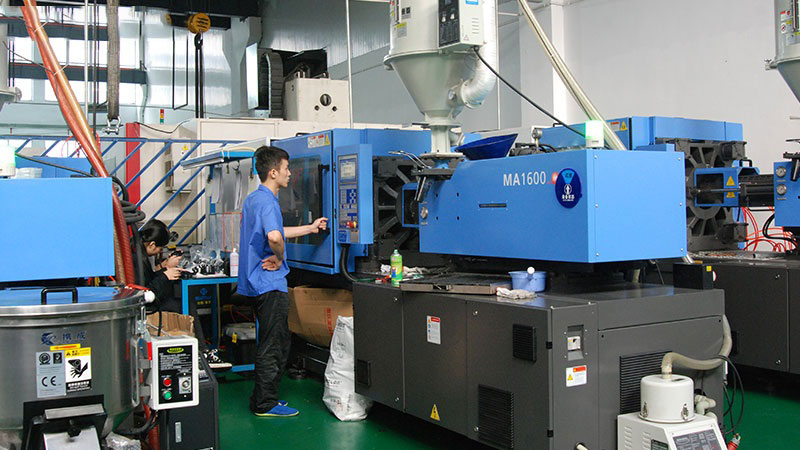
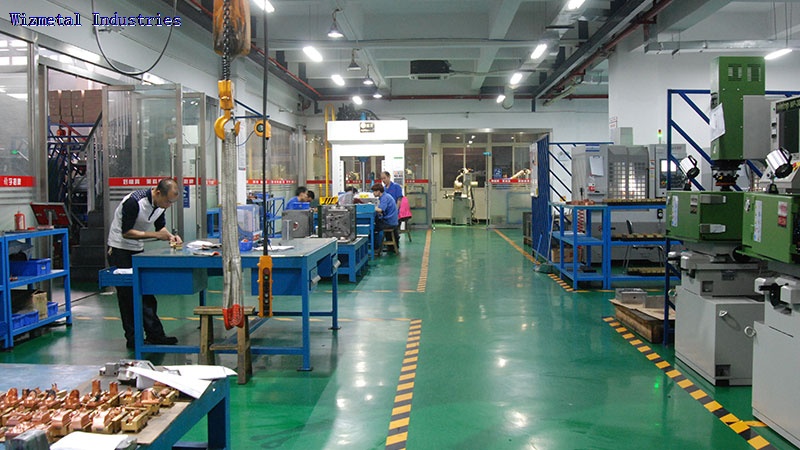
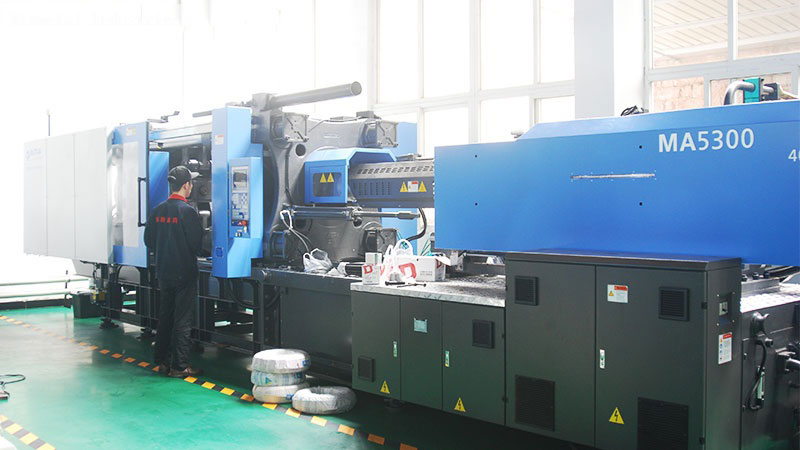
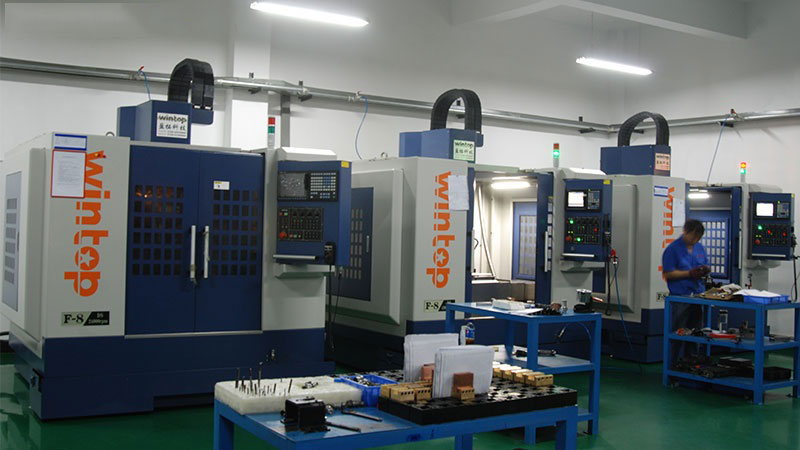
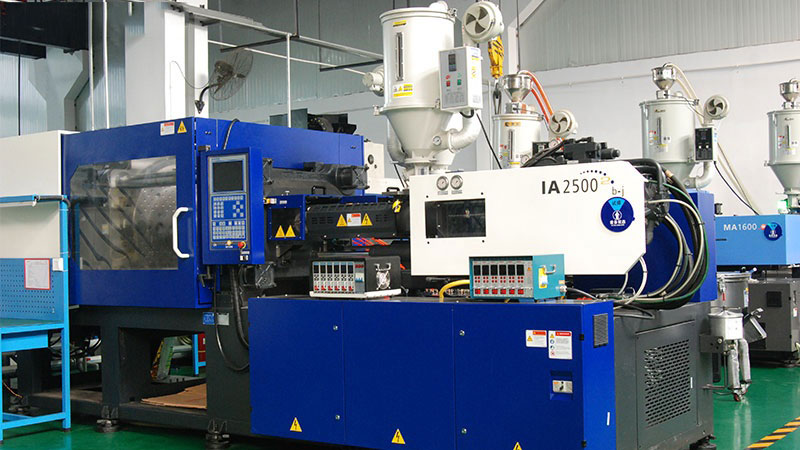
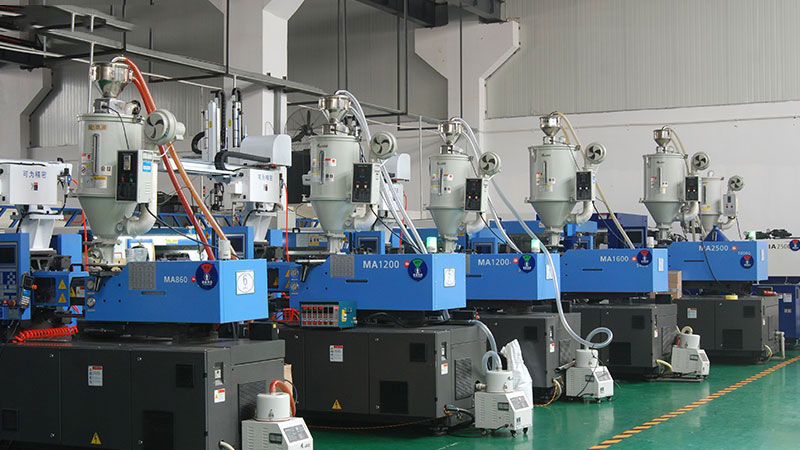
The foundation of a successful mold procurement project lies in meticulous supplier verification and selection. The term “China mold factory” encompasses a vast spectrum, from small workshops to fully integrated, automated facilities. Your first actionable step is to move beyond Alibaba browsing. Utilize professional B2B platforms like Made-in-China.com or Global Sources, but treat them as starting points. Conduct video conference facility tours as a non-negotiable step; a reputable supplier will readily showcase their CNC machining centers, EDM equipment, and mold trial injection machines. Verify business licenses and, crucially, ask for and contact past overseas clients. In 2026, due diligence must include assessing a supplier’s digital capability—how efficiently do they communicate via project management tools or share 3D mold flow analysis reports? This initial vetting filters out non-serious players and aligns you with injection mold china manufacturers whose operational scale matches your project’s complexity and volume requirements.
Once a shortlist is established, the procurement process hinges on technical clarity and contractual precision. Ambiguity in the design phase is the primary cause of cost overruns and rejections. Provide not just a 3D part file, but a comprehensive technical specification document. This should include material type (e.g., ABS, PP), expected annual volume, cavity requirements, tolerance standards (ISO or SPI), surface finish specifications (SPI/VDI), and details on hot runner systems if needed. Demand a formal mold design review before steel is cut. Reputable injection mold manufacturers will provide detailed 2D or 3D mold drawings for your approval, highlighting the gating system, cooling channels, ejection mechanism, and material selection for mold bases and cores. This stage is where you prevent fundamental errors. Furthermore, your contract must explicitly outline payment terms (e.g., 40% deposit, 50% after T1 sample approval, 10% before shipment), intellectual property ownership, warranty period (typically 12-18 months), and protocols for handling design changes, which will inevitably incur cost and time adjustments.
Proactive and structured quality control is not an option; it is the core of your risk management strategy. Do not assume quality will be “checked before shipping.” Implement a multi-stage QC protocol. First, insist on in-process photos and videos: steel material certificates, finished cavity blocks, and assembled mold. Second, the First Article Inspection (FAI) from the T1 trial is critical. You should receive a detailed trial report with photos of samples, process parameters (injection pressure, temperature, cycle time), and a dimensional measurement report. For critical components, investing in a third-party inspection firm like SGS or Bureau Veritas for a Pre-Shipment Inspection (PSI) is highly advisable. They can verify dimensions, perform assembly tests, and conduct material analysis on the final samples. This layered approach to quality control ensures you are not merely buying a mold but a tool guaranteed to produce parts to your specification, saving immense downstream production costs.
The final logistical and partnership phase determines the long-term value of your procurement. Discuss packaging and shipping terms (FOB, EXW, CIF) upfront. Molds require expert wooden crate packaging to prevent corrosion and damage during transit. Ensure the supplier includes essential documentation: a detailed mold manual, maintenance instructions, and a list of spare parts. The relationship with your chosen China mold factory should not end at shipment. Establish clear communication channels for the mold’s production life. A reliable partner will support you with troubleshooting during your initial production runs and be available for mold maintenance and repair. In the context of 2026, consider the strategic advantage of building a partnership with a manufacturer that demonstrates competency in emerging areas like sustainable manufacturing practices or molds designed for bio-based polymers, future-proofing your supply chain.
Successfully importing an injection mold from China in 2026 requires a blend of traditional due diligence and modern digital engagement. The journey from sourcing to production is complex, but by systematically focusing on verified supplier selection, technical precision, rigorous quality control, and strategic partnership, overseas buyers can mitigate risks and unlock significant value. The goal is to transform the procurement process from a transactional cost-center into a strategic investment that delivers reliable, high-quality tooling for years to come. By following this structured approach, you position your business to confidently engage with leading injection mold china manufacturers, ensuring your project’s success in the competitive global market of 2026 and beyond.
Work With Us
As a professional China mold manufacturer, we provide one-stop mold solution for overseas buyers.
📞 Phone: +86-18605944639
💬 WhatsApp: +8618605944639
🌐 Website: bestmoldworks.com
📧 Email: [email protected]