For overseas buyers, from ambitious startups to established manufacturers, sourcing custom silicone molds from China represents a significant opportunity to enhance product lines and optimize production costs. The process of silicone mold customization, however, is nuanced, moving beyond simple procurement to a technical partnership. The landscape in 2026 is more mature and competitive than ever, demanding a strategic approach to supplier selection and quality assurance. This guide cuts through the complexity, offering actionable insights to navigate the Chinese market confidently, secure high-quality tooling, and build a supply chain that delivers reliability and value.
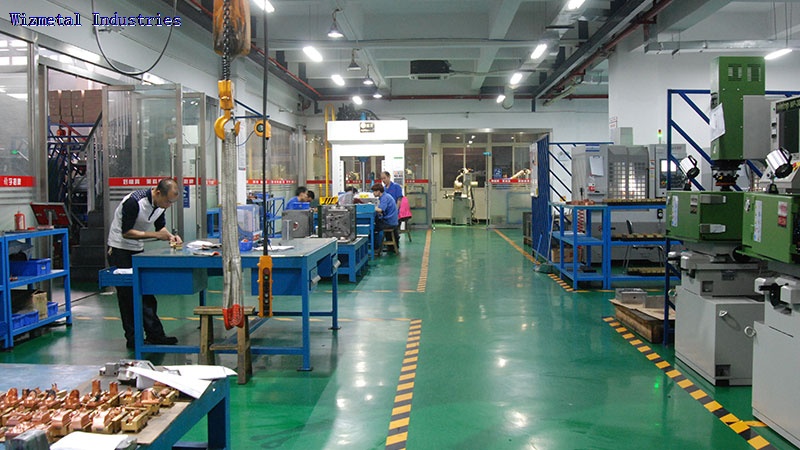
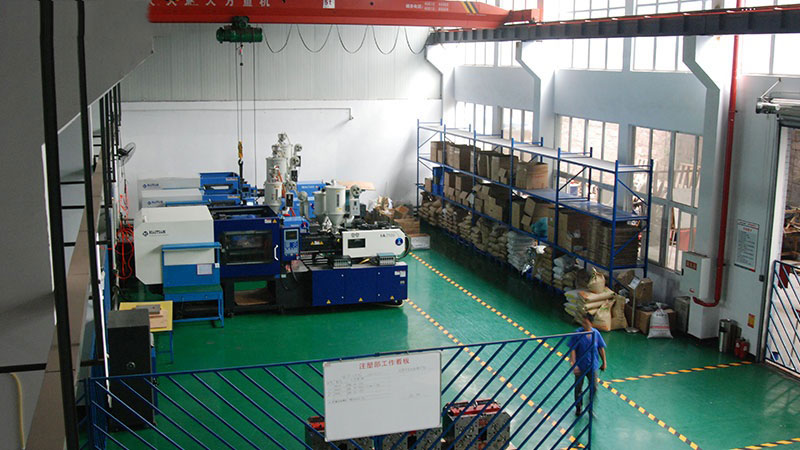
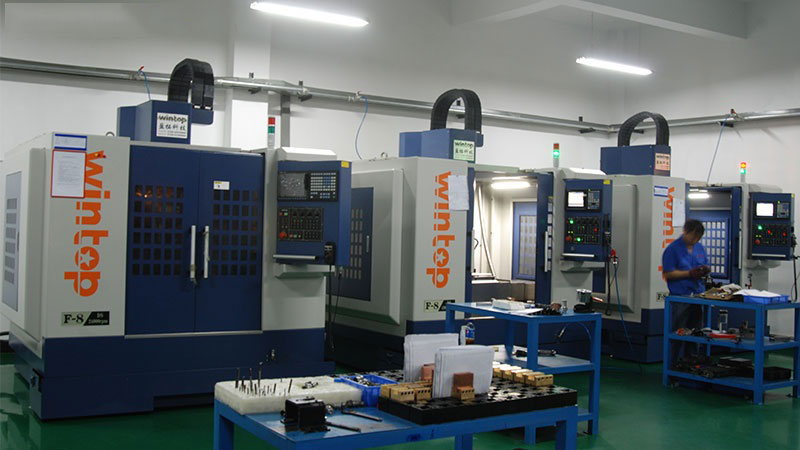
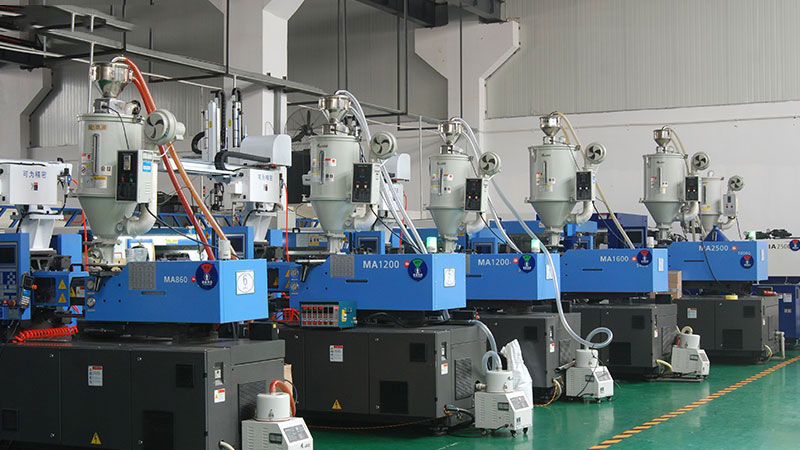
The foundation of a successful import project lies not in finding the cheapest option, but in identifying a capable and transparent China mold factory. Begin your supplier verification process with a focus on specialization. A factory claiming to make “all types of molds” may lack the specific expertise for high-precision, food-grade, or high-temperature vulcanization (HTV) silicone molds. Prioritize suppliers with a proven portfolio in your niche, whether it be baking and confectionery, concrete casting, resin crafts, or industrial prototyping. Utilize B2B platforms not just for initial contact, but to scrutinize business certifications, years in operation, and client reviews. Crucially, move the conversation to a video call for a virtual factory tour. This step is non-negotiable in 2026; observing the workshop floor, the machinery, and the team in real-time provides invaluable insight into their operational scale and professionalism that brochures cannot.
Once potential partners are shortlisted, transforming your design into a manufacturable specification is the next critical phase. Professional Chinese mold makers excel when provided with impeccable data. Prepare a comprehensive technical package that includes not just 3D CAD files (in a universal format like STEP or IGS), but also detailed 2D drawings with critical tolerances, a clear indication of the intended molding material (e.g., platinum-cure vs. tin-cure silicone), expected production volume, and surface finish requirements. Discuss the mold design openly—a reputable supplier will offer Design for Manufacturability (DFM) feedback, suggesting draft angles, optimal parting lines, and venting solutions to improve mold life and part quality. This collaborative engineering phase is where a true partnership begins and where many future quality issues are preemptively solved. Clarify all aspects of the procurement agreement upfront: payment terms (typically a staggered 50/50 or 40/60 split), intellectual property protection clauses, and a detailed timeline encompassing design approval, machining, sampling, and shipping.
The core of ensuring value lies in implementing a rigorous, multi-stage quality control protocol. For silicone mold customization, quality is not a single checkpoint but a process integrated from material selection to final inspection. First, verify the silicone mold material certification. Reputable factories should provide MSDS (Material Safety Data Sheets) and compliance certificates for food-grade, FDA, LFGB, or REACH standards as required. Second, insist on a First Article Inspection (FAI). Before full production or shipment, the supplier must produce sample castings from the finished mold and send them to you for evaluation. Measure these samples against your specifications for dimensional accuracy, detail replication, and surface texture. Third, consider engaging a local third-party quality inspection service for a Pre-Shipment Inspection (PSI). An independent inspector can verify mold dimensions, hardness (Shore A), visual defects, and functionality on-site, providing an objective report before the mold is dispatched. This layered approach to quality control mitigates risk and ensures the tool arriving at your facility is production-ready.
Understanding the total cost structure and fostering a long-term relationship are final pillars of a successful import strategy. While unit price is a factor, the Total Cost of Ownership (TCO) is paramount. This includes the mold price, shipping, import duties, and, critically, the mold’s lifespan and performance. A slightly more expensive mold from a quality-focused China mold factory that yields 10,000 perfect casts is far more economical than a cheaper alternative that fails after 1,000. Discuss maintenance, repair potential, and any warranty offered on the tooling. Furthermore, view your chosen supplier as a strategic asset. Clear, consistent communication, timely feedback, and fair business dealings cultivate trust. A reliable partner for your silicone molds can evolve into a resource for other tooling needs, such as plastic injection mold development for complementary product lines, offering continuity and deeper understanding of your brand standards.
Successfully importing custom silicone molds from China in 2026 is a deliberate process of expert selection, precise communication, and proactive quality management. By meticulously verifying suppliers, collaborating on design, enforcing stringent quality control measures, and calculating true long-term value, overseas buyers can transform the perceived complexity of international procurement into a competitive advantage. The goal is to move beyond a transactional purchase and establish a partnership with a Chinese mold manufacturer whose commitment to excellence ensures your custom silicone molds become the reliable foundation for your product’s success for years to come.
Work With Us
As a professional China mold manufacturer, we provide one-stop mold solution for overseas buyers.
📞 Phone: +86-18605944639
💬 WhatsApp: +8618605944639
🌐 Website: bestmoldworks.com
📧 Email: [email protected]