For overseas buyers, sourcing precision tooling from a Chinese mold factory presents a compelling value proposition: access to advanced manufacturing capabilities, significant cost advantages, and scalable production. However, the journey from initial inquiry to receiving flawless molds at your dock involves navigating a complex landscape. This guide cuts through the noise, offering a professional, actionable roadmap for 2026 to help you procure high-quality injection molds from China with confidence and clarity.
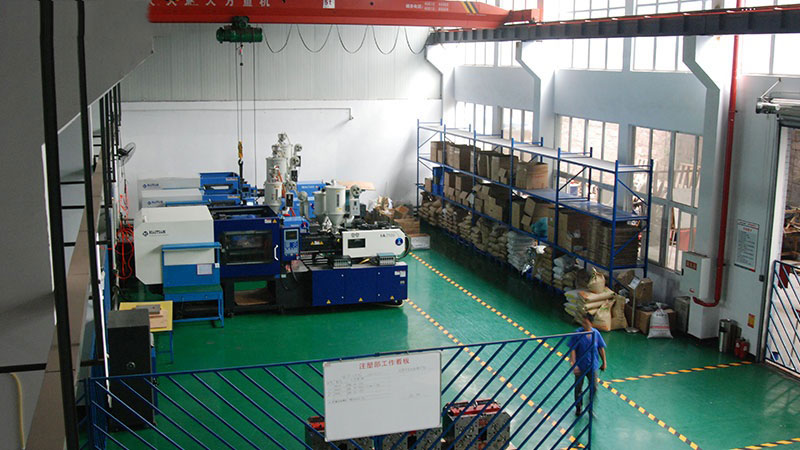
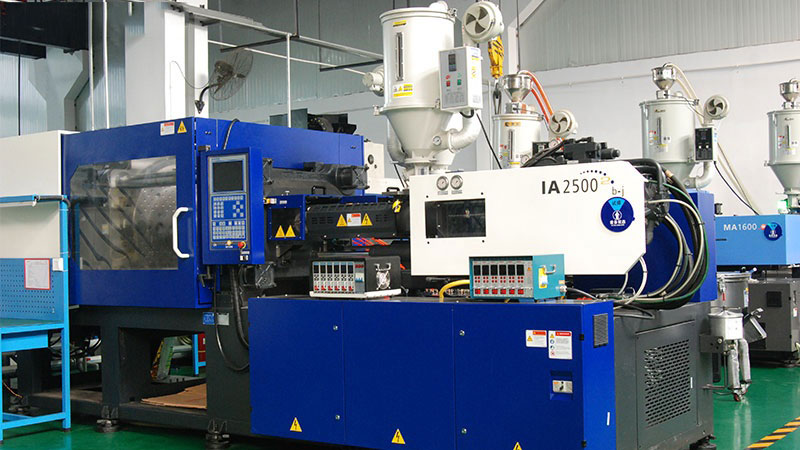
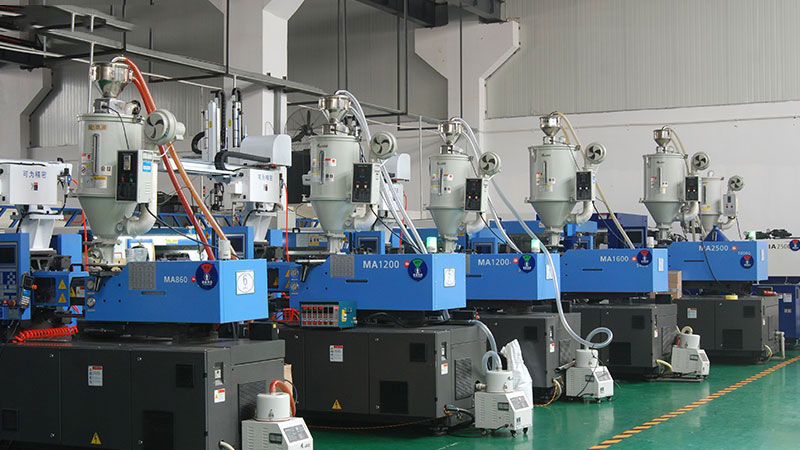
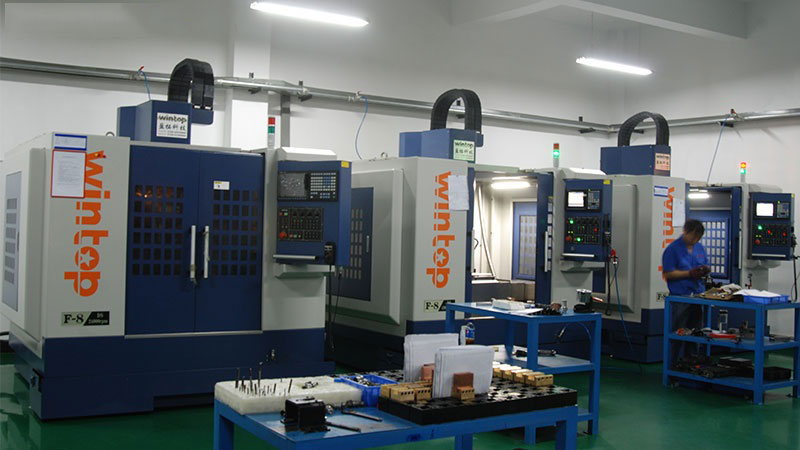
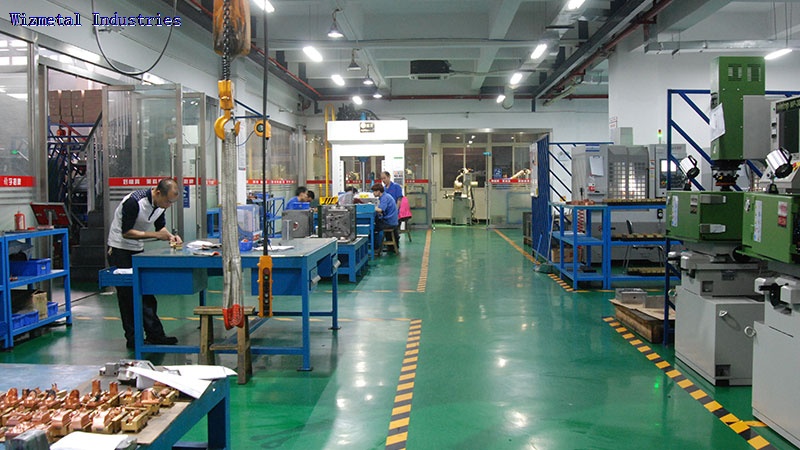
The cornerstone of a successful import project is selecting the right partner. The term “mold factory” in China can range from small workshops to vertically integrated manufacturing giants. Your first step is precise supplier verification. Begin by moving beyond Alibaba listings. Utilize industry-specific B2B platforms like Global Sources or Made-in-China, which often feature more vetted suppliers. Crucially, verify business licenses and export credentials. Request a detailed company profile that outlines their specific expertise, whether in automotive-grade injection molds, high-precision medical components, or large-scale consumer goods. A legitimate China mold factory will readily provide this. Next, analyze their technical capacity. Do they have in-house design engineering support, CNC machining, EDM, and quality inspection equipment? A factory controlling the entire process under one roof minimizes communication gaps and quality variances. Finally, insist on a video conference tour. A live walkthrough of their facility in 2026 is non-negotiable; it validates their claimed capabilities, workshop organization, and cleanliness—a key indicator of professional standards.
Once you have shortlisted potential partners, translating your product vision into a manufacturable mold requires meticulous technical communication. Ambiguity here is the primary cause of cost overruns and delays. Start by providing a fully detailed 3D CAD model (STEP or IGS format) alongside comprehensive 2D drawings with GD&T (Geometric Dimensioning and Tolerancing). Clearly specify the end-use material (e.g., ABS, PP, PC), expected annual volume, and cosmetic requirements (e.g., SPI finish standards). Discuss mold flow analysis upfront; a proficient supplier will use this simulation to optimize gate location, cooling channels, and predict potential defects before steel is cut. This proactive step, though an initial investment, saves substantial cost in revisions. Furthermore, agree on a formalized Design for Manufacturability (DFM) review process. The factory should provide annotated feedback on your design, suggesting modifications to improve moldability, durability, and cycle time. Treat this collaborative phase as a critical checkpoint before authorizing production.
With technical details locked, a robust quality control protocol is your financial safeguard. Do not assume quality; contractually define it. Your purchase agreement must include a detailed Quality Inspection Plan. This should specify critical checkpoints: First Article Inspection (FAI) with CMM reports on the finished mold, T1 sample approval from actual production material, and pre-shipment audits. For injection molds, mandate a sampling run at the factory. Witnessing the mold produce parts under normal cycle conditions allows you to verify functionality, part dimensions, and surface finish. Many reputable factories offer this as a standard service. For high-value or high-volume projects, consider engaging a third-party quality inspection firm based in China for impartial oversight during key milestones. They can perform dimensional checks, material verification, and durability testing on your behalf. Remember, investing in rigorous QC during manufacturing is exponentially cheaper than troubleshooting faulty molds after they have arrived at your facility.
The commercial and logistical framework is as vital as the technical one. Seek detailed, transparent quotations that break down costs: mold base material (e.g., pre-hardened steel, stainless steel), cavity and core machining, standard components (like hot runner systems from brands like HASCO or DME), labor, and any ancillary fees. Understand the payment terms; a common and balanced structure is 40% deposit, 50% upon T1 sample approval, and 10% before shipment. Ensure you have clarity on intellectual property protection. A professional China mold factory will sign a Non-Disclosure Agreement (NDA) and, if required, a mold ownership agreement stipulating that the tooling design and physical assets are your property. Finally, plan logistics early. Discuss incoterms (EXW, FOB, CIF) explicitly. For FOB terms, you will need your own freight forwarder. Ensure the factory properly prepares the mold for shipping—this includes preservation, rust prevention, and secure packing in a custom wooden crate to prevent damage in transit.
Successful procurement from a Chinese mold factory is a strategic process built on verification, clear communication, structured quality control, and sound commercial terms. As we move through 2026, the competitive edge will go to buyers who approach this not as a simple purchase, but as a technical partnership. By meticulously vetting suppliers, investing in collaborative design, implementing staged quality inspections, and solidifying agreements, you transform the inherent challenges of overseas sourcing into a reliable, value-driven supply chain asset. The ultimate goal is to secure not just a mold, but a durable production tool that delivers consistent part quality, enabling your product’s success in the global market.
Work With Us
As a professional China mold manufacturer, we provide one-stop mold solution for overseas buyers.
📞 Phone: +86-18605944639
💬 WhatsApp: +8618605944639
🌐 Website: bestmoldworks.com
📧 Email: [email protected]