For global businesses, sourcing from a plastic injection mold factory in China remains a cornerstone strategy for achieving competitive advantage. The potential for significant cost savings, rapid prototyping, and access to extensive manufacturing expertise is undeniable. However, the landscape is evolving. As we look toward 2026, professional procurement is no longer just about finding the lowest price; it’s about strategic partnership, technological alignment, and meticulous process management. This guide cuts through the noise to provide actionable strategies for overseas buyers aiming to secure high-quality, reliable, and cost-effective tooling from China.
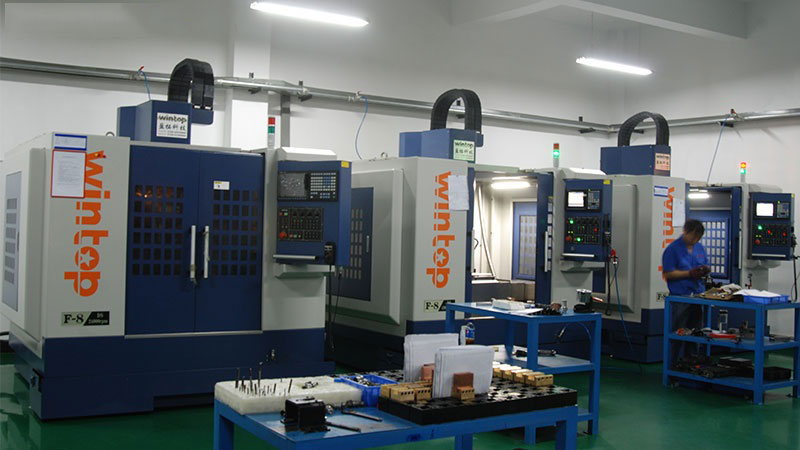
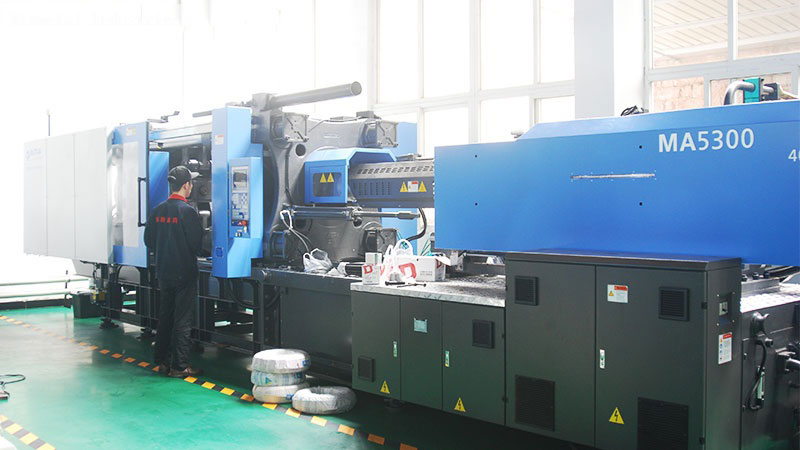
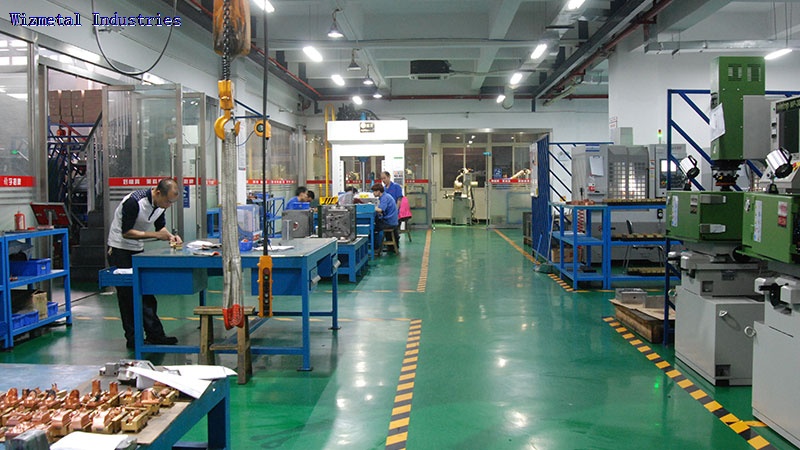
The foundation of a successful import project lies in precise supplier verification. Moving beyond simple online directories is crucial. Start by defining your technical requirements in detail: mold life expectancy (number of shots), material (e.g., P20, H13, stainless steel), cavity count, and expected tolerances. Use this specification to screen potential China mold factories. Professional verification now involves a multi-step approach. First, conduct a virtual audit via video call, requesting a live tour of their facility—pay close attention to their machine park (brands like DMG Mori, Makino), quality control labs, and cleanroom conditions for precision molds. Second, scrutinize their portfolio for projects similar in complexity and industry (medical, automotive, consumer electronics) to yours. Third, insist on speaking directly with their project engineers, not just sales staff, to assess technical communication fluency. This due diligence filters out trading companies and low-tier workshops, connecting you with capable manufacturers from the outset.
Effective communication and transparent procurement protocols prevent the majority of cross-border issues. Clearly articulate every aspect of your request for quotation (RFQ). This should include a comprehensive 3D part file (STEP or IGES), 2D drawings with GD&T, material specifications for the final plastic part, and expected annual volumes. A professional plastic injection mold factory will review these files and provide detailed feedback, potentially suggesting design for manufacturability (DFM) changes to optimize mold cost and performance. Regarding terms, 2026 best practice leans towards staged payments linked to milestones—for example, 30% upon order confirmation, 40% after T1 sample approval, and 30% before shipment. Always use secure payment methods like Letter of Credit (L/C) or escrow services for large orders. Crucially, define the sample approval process: how many revision rounds are included, who bears the cost of modifications, and the protocol for sample shipment and inspection.
Robust quality control is non-negotiable and must be integrated throughout the mold-making journey, not just as a final inspection. Partner with a China mold factory that has an in-house QC team and can provide documented evidence at each stage. Key checkpoints include: material certificates for the mold steel, preliminary design reviews, and critical dimension checks after CNC machining and EDM. The most important phase is the Trial Out Report (TOR) or First Article Inspection (FAI). You should receive not only physical samples but also a detailed report including cavity pressure data, process parameters, and dimensional measurement results against your drawing. For high-stakes projects, engaging a reputable third-party inspection company in China for a pre-shipment audit is a wise investment. They can perform a complete dimensional layout, test the mold on a press, and verify the production rate, acting as your eyes on the factory floor and ensuring the tool meets all agreed specifications before it leaves the country.
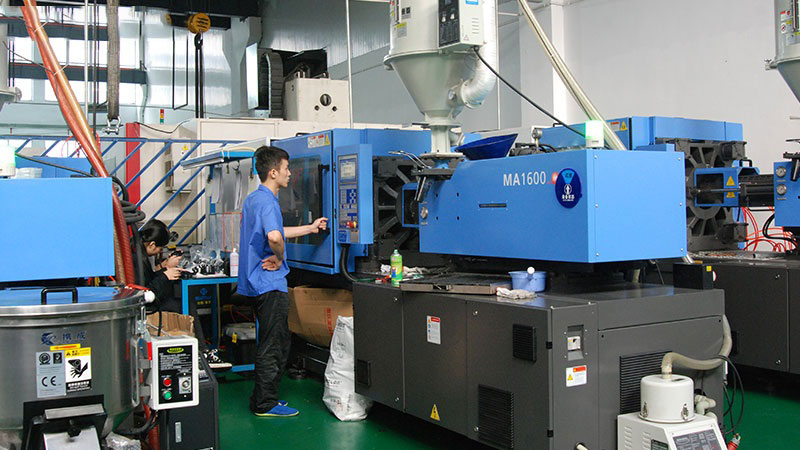
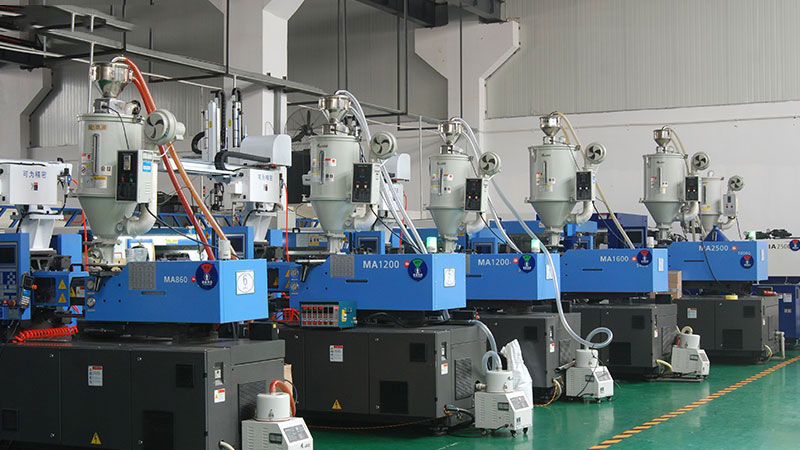
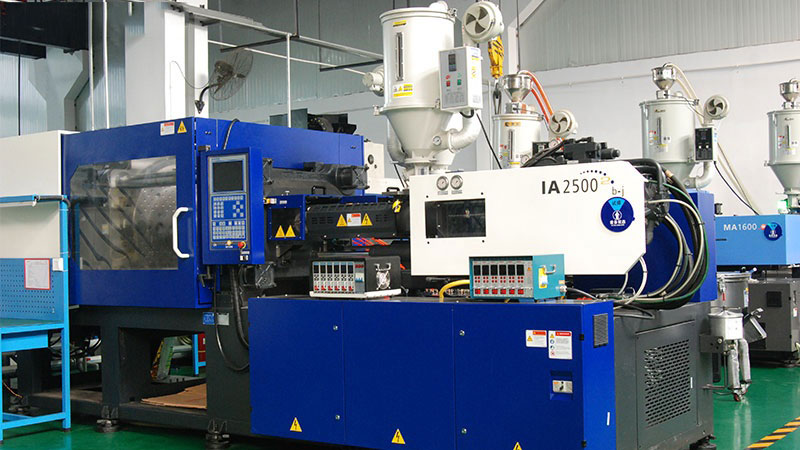
The most forward-thinking strategy for 2026 involves selecting a partner that aligns with future industry trends. The leading plastic injection mold factories in China are increasingly investing in smart manufacturing and sustainable practices. Inquire about their capabilities in conformal cooling (via 3D metal printing), which significantly reduces cycle times and improves part quality. Assess their familiarity with engineering-grade resins and bioplastics, as material innovation continues to accelerate. Furthermore, consider their capacity for vertical integration; some top-tier suppliers also offer injection molding production, streamlining your supply chain from tooling to finished parts. Building a relationship with such a technologically adept injection mold supplier not only secures your immediate project but also creates a resilient partnership capable of supporting product evolution and innovation for years to come.
Successfully importing from a plastic injection mold factory China in 2026 demands a professional, process-oriented approach. It transcends simple price comparison, focusing instead on deep supplier verification, crystal-clear communication, embedded quality control, and strategic technological partnership. By implementing these actionable steps—conducting thorough virtual audits, defining meticulous procurement protocols, insisting on staged quality documentation, and aligning with innovative manufacturers—overseas buyers can mitigate risks and unlock the full value of Chinese mold making. The goal is to transform a complex international transaction into a seamless extension of your own product development, ensuring you receive a precision tool that drives manufacturing efficiency and product quality for the long term.
Work With Us
As a professional China mold manufacturer, we provide one-stop mold solution for overseas buyers.
📞 Phone: +86-18605944639
💬 WhatsApp: +8618605944639
🌐 Website: bestmoldworks.com
📧 Email: [email protected]