Blog

  • mould manufacturers in china: Complete Procurement Gu 2026

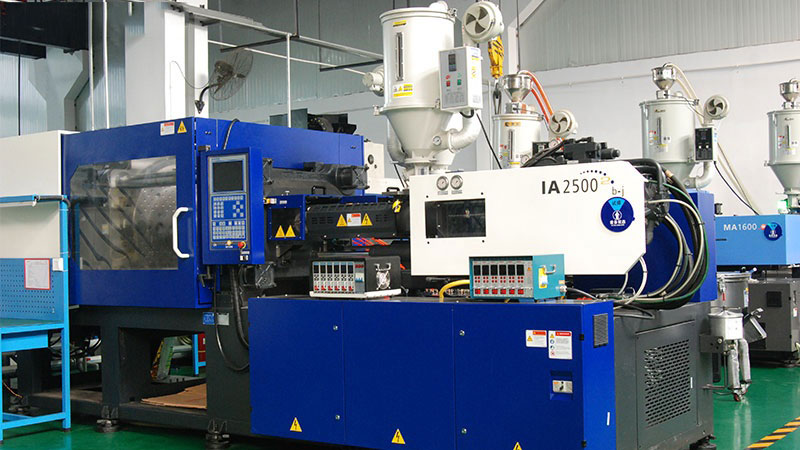
    For overseas businesses, sourcing from mould manufacturers in China represents a significant strategic advantage, offering a compelling combination of advanced technical capability, cost efficiency, and scalable production. However, navigating this complex landscape to find a reliable partner can be daunting. This guide is designed to cut through the noise, providing a clear, actionable, and up-to-date framework for your procurement journey in 2026 and beyond. We will move beyond simple directory listings to focus on practical strategies for supplier verification, clear communication, and robust quality control, ensuring your project’s success from initial quotation to final shipment.

    Mastering the Initial Search and Supplier Verification Process

    The first step is moving beyond Alibaba. While B2B platforms are a starting point, they are just that. In 2026, a multi-channel approach is critical. Begin with precise keyword searches using terms like “China mold factory” specialized in your industry, be it automotive, medical, consumer electronics, or packaging. Attend major international plastics and mold exhibitions, such as Chinaplas or the Euromold series, where you can meet engineering teams face-to-face. Crucially, invest time in deep supplier verification. This goes beyond checking a business license. Request detailed case studies with photos or videos of molds and final parts. Use video calls to conduct virtual factory tours; a reputable supplier will readily showcase their CNC machining centers, EDM equipment, and mold trial workshops. Verify their export experience by asking for references from existing overseas clients and checking their history on professional platforms like Global Sources or industry-specific forums. This due diligence forms the bedrock of a successful partnership.

    Defining Your Project with Unprecedented Clarity to Secure Accurate Quotations

    One of the most common pitfalls in procuring an injection mold is submitting vague requests, leading to misaligned expectations and costly change orders. To secure a comparable and accurate quotation, you must provide a comprehensive data package. This should include: a fully detailed 3D part design (STEP or IGS format) and 2D drawings with GD&T tolerances clearly defined; specifications for the intended plastic material and color; expected annual production volume and mold lifecycle; and requirements for mold steel (e.g., pre-hardened 718, stainless 420, or hardened S136). Furthermore, explicitly state your expectations for mold standards (e.g., HASCO, DME, or local Chinese standards), cooling line design, and ejection systems. By providing this level of detail, you empower the China mold factory to understand your technical and commercial needs fully, resulting in a quotation that reflects the true cost and timeline, minimizing surprises later.

    Implementing a Phased Payment Milestone and Quality Control Protocol

    A transparent payment structure tied to clear milestones protects both buyer and supplier. The standard 50% deposit and 50% before shipment model carries risk. Instead, negotiate a phased approach: 30-40% upon order confirmation, 40-50% upon approval of pre-shipment samples (First Article Inspection), and the remaining 10-20% upon final shipment. This aligns payment with tangible progress. Concurrently, define your quality control protocol from day one. For critical projects, consider hiring a local third-party inspection company to conduct a Data Dimension Report (DDR) on the finished mold steel before machining begins and a Tooling Trial Report (TTR) when sample parts are produced. During the TTR, the inspector will verify part dimensions, surface finish, and assembly fit using CMMs and other metrology tools. This objective, data-driven approach to quality control is far more effective than relying on photos or self-reported checks from the supplier, ensuring the injection mold meets your precise specifications.

    Navigating Logistics, IP Protection, and Building a Long-Term Partnership

    Finalizing the mold is only part of the journey. Discuss Incoterms 2026 (e.g., FOB, EXW, CIF) explicitly to clarify responsibilities for shipping, insurance, and customs clearance. Ensure the China mold factory provides a complete set of documentation, including a commercial invoice, packing list, and a detailed mold manual with maintenance instructions. Regarding Intellectual Property (IP), while China has strengthened its IP laws, practical protection starts with your contract. Include a robust confidentiality (NDA) and IP ownership clause. For highly sensitive designs, consider splitting the manufacturing process between different specialized workshops. Ultimately, view your chosen partner not as a one-time vendor but as a potential long-term technical collaborator. A reliable and skilled mold maker becomes an extension of your R&D team, capable of offering design for manufacturability (DFM) feedback that can optimize part cost and performance. Nurturing this relationship through clear communication and fair business practices is the key to unlocking sustained value and innovation.

    Conclusion

    Procuring molds from China in 2026 demands a blend of meticulous preparation, strategic verification, and proactive management. By moving beyond basic price comparisons to deeply vet your potential mould manufacturers in china, defining your project with engineering rigor, implementing structured payment and quality gates, and thoughtfully managing post-production logistics, you transform procurement from a risky endeavor into a competitive advantage. The goal is to build a partnership based on transparency, technical excellence, and mutual success. With this comprehensive guide as your roadmap, you are equipped to engage with confidence, secure in the knowledge that you have a systematic process to identify and collaborate with a world-class China mold factory, ensuring your injection mold project is delivered on time, to specification, and to the highest quality standards.

    Work With Us

    As a professional China mold manufacturer, we provide one-stop mold solution for overseas buyers.
    📞 Phone: +86-18605944639
    💬 WhatsApp: +8618605944639
    🌐 Website: bestmoldworks.com
    📧 Email: [email protected]
  • import mold from China: Best Suppliers & Quality Cont 2026

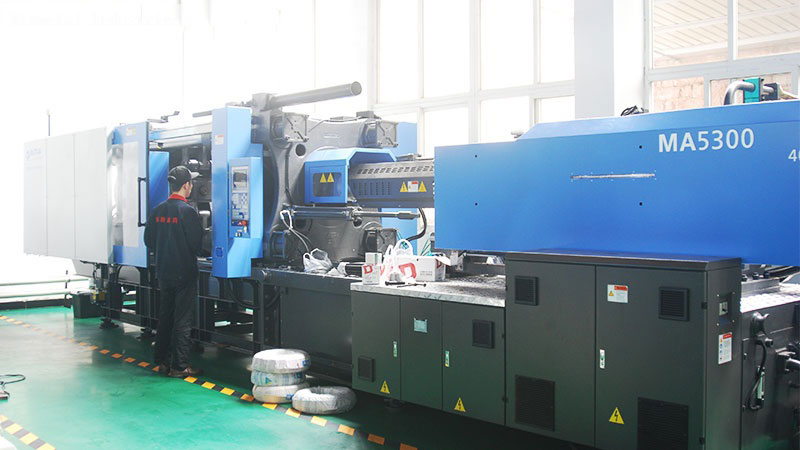
    For overseas buyers, the decision to import mold from China represents a significant strategic advantage, offering unparalleled cost efficiency and advanced manufacturing capabilities. However, navigating this complex landscape to secure high-quality injection molds requires more than just finding the lowest price. The year 2026 brings evolved challenges and opportunities, demanding a refined approach to procurement and supplier verification. This guide provides actionable, professional insights to help you identify the best China mold factory partners and implement robust quality control measures, ensuring your investment delivers long-term value and production stability.

    The cornerstone of a successful procurement strategy is meticulous supplier verification. Moving beyond Alibaba listings, a deep-dive assessment is non-negotiable. Start by verifying business licenses and export credentials. Prioritize factories with proven experience in your specific industry, whether automotive, medical, consumer electronics, or packaging. Request detailed case studies and, crucially, contact past international clients. During the evaluation, assess their engineering capability by discussing your project’s technical challenges; a competent partner will engage proactively on gate placement, cooling channel design, and material selection. A physical or virtual factory audit is invaluable, allowing you to inspect machinery (look for Swiss or Japanese-made CNC, EDM, and CMMs), workshop organization, and their in-house quality control processes. This initial rigor filters out trading companies and under-equipped workshops, directing you to true manufacturing partners.

    Once a potential China mold factory is shortlisted, mastering the quotation and development phase is critical. A professional supplier will provide a detailed breakdown, not a single lump sum. Scrutinize quotes for mold base material (pre-hardened steel like P20 or hardened steels like H13), core/cavity steel grade, expected lifespan (number of shots), surface finish requirements, and the scope of T1 sample testing. Clearly define deliverables: are 2D/3D design files, mold flow analysis reports, and full inspection data included? Establish a milestone-based payment schedule (e.g., 30% deposit, 40% after design approval, 30% after sample approval) to align incentives. This phase is where you set clear, documented expectations for tolerances, part performance, and delivery timelines, forming the contractual foundation for your project.

    The most pivotal element in your endeavor to import mold from China is a proactive, multi-stage quality control protocol. Do not relegate QC to a final pre-shipment inspection. Implement a process that starts with Design for Manufacturability (DFM) review and mold flow analysis approval. Key inspection points include: First Article Inspection (FAI) of mold components, especially the finished core and cavity using CMM reports; a thorough T1 sample trial run witnessed by you or your appointed third-party inspector; and a comprehensive dimensional and functional test of the produced parts. Partner with reputable third-party quality control services in China for unbiased audits at these critical stages. Document every step with high-resolution photos and data. This hands-on approach prevents costly rework after shipment and ensures the mold meets all functional specifications before it leaves the factory.

    Effective communication and project management bridge the geographical and cultural gap. Designate a single point of contact on both sides who possesses technical English proficiency. Use visual communication tools: mark up drawings, share screens during video calls, and send annotated photos. Understand and respect the Chinese business calendar, planning around major holidays like Chinese New Year to avoid delays. For injection mold projects, consider starting with a smaller, less complex mold to evaluate the partnership before committing to high-value projects. Building a relationship based on mutual respect and clear communication often yields better cooperation and priority treatment than a purely transactional approach. A reliable supplier views you as a long-term partner, invested in your success.

    As we look toward 2026, the landscape for importing molds is defined by smart procurement, technological integration, and partnership. The goal is not merely to purchase a tool but to establish a reliable extension of your manufacturing capability. By rigorously verifying your China mold factory, structuring clear contracts, enforcing staged quality control, and managing the project with cultural awareness, you transform the perceived risks of overseas procurement into a formidable competitive edge. The best suppliers are those who welcome this collaborative, transparent approach, ensuring that your decision to import mold from China is a cornerstone of your product’s quality and market success for years to come.

    Work With Us

    As a professional China mold manufacturer, we provide one-stop mold solution for overseas buyers.
    📞 Phone: +86-18605944639
    💬 WhatsApp: +8618605944639
    🌐 Website: bestmoldworks.com
    📧 Email: [email protected]
  • blow mould manufacturers in china: Expert Tips & Soluti 2026

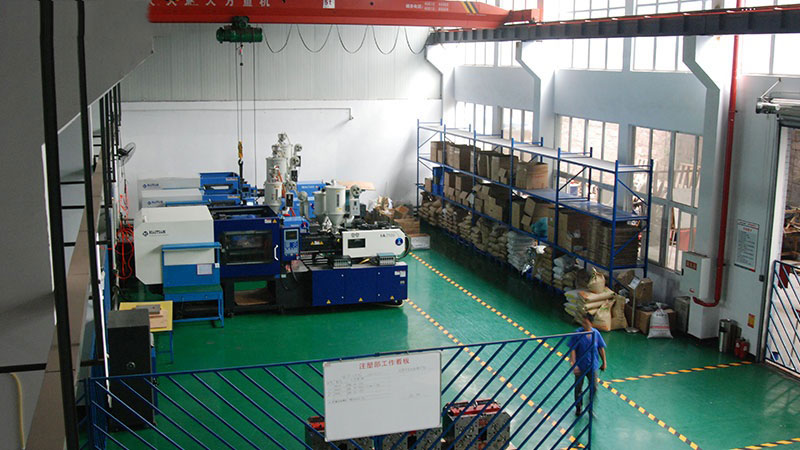
    For overseas businesses, sourcing blow moulds from China represents a significant strategic advantage, offering access to advanced manufacturing capabilities at competitive costs. However, navigating this complex landscape to find a reliable partner can be daunting. The difference between a successful, long-term supply relationship and a costly mistake often lies in the procurement process. This guide provides actionable, expert insights for 2026, designed to help you identify, verify, and collaborate with top-tier blow mould manufacturers in China effectively, ensuring your project’s success from design to delivery.

    The foundation of a successful import project is thorough supplier verification. Moving beyond a simple online directory search is crucial. Begin by shortlisting potential China mold factory candidates that explicitly showcase blow mould expertise, as this is a specialized field distinct from standard injection mold production. Scrutinize their websites for technical case studies, machine lists (look for CNC, EDM, and high-precision machining centers), and client testimonials. Utilize third-party verification platforms to check business licenses, export history, and any red flags. The most critical step, however, is direct engagement. Initiate video calls to tour their facility virtually. Request to speak with their project engineering team to discuss your specific material (HDPE, PET, PP, etc.) and product requirements. A professional manufacturer will ask detailed questions about your production volume, cycle time targets, and quality standards, demonstrating proactive problem-solving rather than just quoting a price.

    Once a potential partner is identified, a meticulous focus on design and technical communication becomes your primary risk mitigation tool. Ambiguity in technical drawings is the leading cause of mould defects and project delays. Ensure your 2D drawings and 3D CAD models (STEP or IGS files) are fully detailed, including all tolerances, surface finish specifications (SPI standards), cavity pressure requirements, and cooling line layouts. Discuss the mould flow analysis (MFA) process. A competent blow mould manufacturer will perform and share MFA simulations to predict and rectify potential issues like uneven wall thickness or weak points before steel is cut. This phase is also the time to agree on all prototyping and sampling procedures. Clearly define who will bear the costs for sample moulds or first-article inspections and establish the timeline for sample delivery and approval. This clarity prevents future disputes and aligns expectations.

    Implementing a robust quality control framework is non-negotiable. Do not assume quality; build it into the contract. Your agreement should specify the quality inspection protocols at each stage: First Article Inspection (FAI) after sample production, Dimensional Inspection during machining, and a Final Random Inspection before shipment. Specify the use of precision measuring equipment like CMMs (Coordinate Measuring Machines) for critical dimensions. For many overseas buyers, partnering with a reputable third-party quality inspection service in China is a wise investment. These inspectors act as your eyes on the ground, conducting pre-shipment audits to verify that the finished mould meets all agreed specifications, operates correctly on a trial machine, and is properly prepared for export (e.g., rust prevention, packaging). This step, though an added cost, safeguards a much larger capital investment and prevents costly rework or production halts at your facility.

    The final hurdle, often underestimated, is managing logistics, payment, and intellectual property (IP) protection. Secure clear Incoterms (e.g., FOB Shanghai) in your contract, defining exactly where responsibility and cost transfer. For moulds, sea freight is standard, but ensure the manufacturer has experience in export packaging—moulds must be crated, waterproofed, and protected against shock. Regarding payment, avoid overly favorable terms that seem too good to be true. A standard, secure structure might be 30-40% deposit, 40-50% after approval of sample parts, and the balance before shipment. Always use secure payment methods like Letters of Credit (L/C) or bank transfers to verified accounts. Finally, address IP protection head-on. A well-drafted Non-Disclosure Agreement (NDA) and a contract clause stating that all tooling design and ownership rights remain your property are essential. While absolute guarantees are difficult, working with established, reputation-conscious blow mould manufacturers in China significantly reduces IP risks.

    In conclusion, importing blow moulds from China in 2026 is a process that rewards diligence, clear communication, and strategic partnership. The journey from supplier verification to final delivery requires a professional approach that prioritizes technical collaboration and verified quality control over chasing the lowest initial quote. By treating your chosen China mold factory as a strategic extension of your own engineering team, you unlock immense value. The solutions outlined—rigorous vetting, unambiguous technical dialogue, staged quality inspections, and clear contractual safeguards—provide a proven roadmap. This disciplined approach transforms the complexity of overseas procurement into a reliable, competitive advantage for your manufacturing operations, ensuring you receive a high-performance mould that delivers consistent quality for years to come.

    Work With Us

    As a professional China mold manufacturer, we provide one-stop mold solution for overseas buyers.
    📞 Phone: +86-18605944639
    💬 WhatsApp: +8618605944639
    🌐 Website: bestmoldworks.com
    📧 Email: [email protected]
  • injection mold factory in china: Best Suppliers & Qua 2026

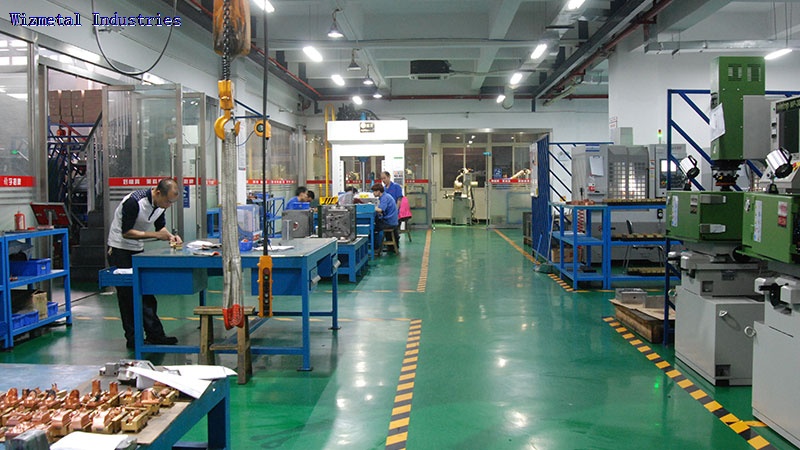
    For overseas buyers, sourcing an injection mold factory in China represents a significant strategic advantage, offering potential for substantial cost savings and access to advanced manufacturing capabilities. However, the path to a successful partnership is often paved with challenges: verifying supplier legitimacy, ensuring consistent quality, managing communication across time zones, and navigating logistical complexities. This guide is designed to cut through the noise and provide you with a clear, actionable framework for identifying the best injection mold suppliers and securing high-quality tooling in 2026 and beyond. We move beyond simple directory listings to focus on the practical procurement strategies that mitigate risk and ensure project success.

    The foundation of a successful import project lies in rigorous supplier verification. In 2026, the most reliable China mold factory partners will have a transparent digital footprint that you can scrutinize. Start by moving beyond Alibaba storefronts. Examine their official website for detailed case studies, technical whitepapers, and equipment lists—look for specifics about CNC machines, EDM equipment, and CMM inspection tools. Utilize professional platforms like Made-in-China.com or Global Sources, but prioritize suppliers with verified onsite check reports. Crucially, request a video tour of their facility. A live walkthrough of the production floor, quality lab, and assembly area is invaluable for assessing scale, organization, and technological capability. This step filters out trading companies masquerading as manufacturers and confirms the operational reality of your potential injection mold partner.

    Once a shortlist is established, your technical communication protocol becomes paramount. The initial RFQ (Request for Quotation) is your first control point. Provide a comprehensive mold specification document including part 3D files (STEP or IGES), material specifications, expected annual volumes, cavity requirements, and surface finish standards. A professional injection mold factory will respond not just with a price, but with a detailed Design for Manufacturability (DFM) report. This report is a critical indicator of expertise. It should highlight potential issues like undercuts, wall thickness inconsistencies, gate locations, and ejection plans. Evaluate their suggestions carefully; a supplier that proactively solves problems at the design stage is investing in long-term success and reducing the risk of costly mold revisions later. This collaborative approach is a hallmark of a quality-focused partner.

    The core of your risk management strategy is a structured, multi-stage quality control protocol. Do not leave inspection solely to the Final Pre-Shipment Inspection. Implement in-process checks at critical milestones. Stage one is the steel material certification, verifying the grade and hardness. Stage two is the first article inspection after the mold trial, where you receive sample parts, full trial reports with process parameters, and photos/videos of the mold in operation. For high-value projects, engage a trusted third-party quality inspection service in China to conduct an onsite T1 sample inspection and mold dimensional report. This independent verification provides an objective assessment before the mold leaves the factory. Clearly define acceptance criteria for part dimensions, appearance, and function in your purchase order. A reputable China mold factory will expect and facilitate this level of scrutiny as part of a professional procurement process.

    Understanding the total cost and project timeline structure is essential for realistic planning. The lowest quotation is often the most expensive in the long run. Analyze what is included: are mold bases standard or customized? Is the price inclusive of all T1 samples and minor revisions? How are shipping and insurance handled? In 2026, leading suppliers are transparent about cost drivers. Furthermore, establish a phased payment schedule that aligns with project milestones—for example, 30% upon order, 40% after T1 sample approval, and 30% before shipment. This protects both parties and incentivizes timely progress. Simultaneously, manage the intellectual property (IP) risk by signing a comprehensive NDA and IP agreement that is enforceable in your jurisdiction and China. A professional supplier understands this concern and will readily engage in protecting your designs.

    Finalizing the partnership extends beyond the technical build to encompass logistics and post-sales support. Ensure your chosen injection mold factory in china has experience in exporting to your country. They should handle commercial invoices, packing lists, and the necessary customs documentation professionally. Discuss incoterms (EXW, FOB, CIF) explicitly to avoid misunderstandings about cost and responsibility. Crucially, clarify the terms of warranty and post-sales support. What is the coverage period for workmanship and materials? How are repair requests or spare components handled? A reliable supplier will offer a clear warranty, typically 12-18 months, and maintain mold files for future production or maintenance needs, ensuring the longevity of your investment.

    Successfully importing an injection mold from China in 2026 demands a shift from simple price sourcing to strategic partnership development. The best suppliers are distinguished not merely by their machinery, but by their transparency, communication rigor, and systematic approach to quality control. By implementing a thorough verification process, demanding detailed technical feedback, enforcing staged inspections, and clarifying all commercial and support terms, you transform the procurement journey from a gamble into a managed, low-risk engineering project. The goal is to find a China mold factory that acts as an extension of your own team, delivering not just a tool, but a foundation for manufacturing excellence and competitive advantage for years to come.

    Work With Us

    As a professional China mold manufacturer, we provide one-stop mold solution for overseas buyers.
    📞 Phone: +86-18605944639
    💬 WhatsApp: +8618605944639
    🌐 Website: bestmoldworks.com
    📧 Email: [email protected]
  • injection molding china factory: Reliable Manufacturers 2026

    For overseas buyers, the decision to import molds from China remains one of the most impactful strategies for achieving cost efficiency and scaling production. The landscape of manufacturing, however, is perpetually evolving. As we look toward 2026, the challenge is no longer merely about finding a low-cost provider but about strategically partnering with a capable, transparent, and reliable injection molding China factory. This blog provides a professional, actionable framework to navigate this complex procurement process, mitigate risks, and secure a partnership that delivers consistent quality and value.

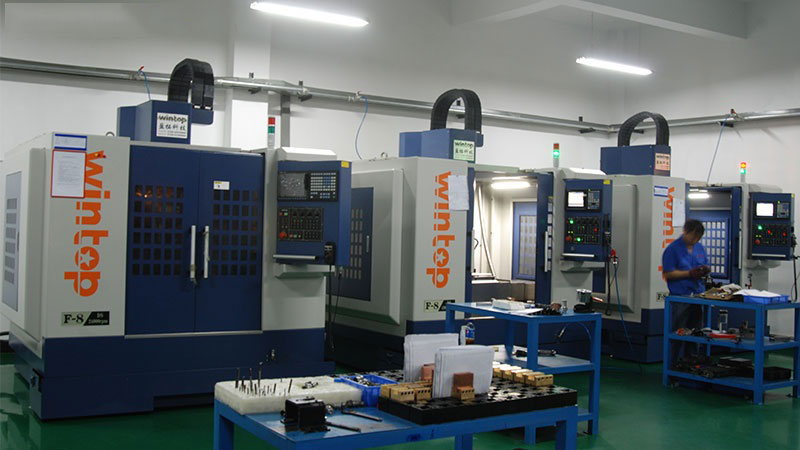
    The foundation of a successful import project lies in meticulous supplier verification. Moving beyond a simple Google search or Alibaba listings is crucial for 2026. Start with a multi-faceted verification approach. First, insist on a business license check and, for higher-value projects, a factory audit report from a reputable third-party agency. These documents confirm legal standing and basic operational standards. Second, leverage video conferencing tools to conduct real-time virtual factory tours. Request to see specific departments: the mold design room, the CNC and EDM workshops, the injection molding floor, and the quality control station. A reliable China mold factory will be transparent and proud to showcase its capabilities. Third, delve into their project portfolio. Ask for case studies or examples of molds they have built for overseas clients in your specific industry, whether automotive, medical, consumer electronics, or packaging. This demonstrates relevant experience and an understanding of international standards.

    Once a potential partner is identified, the focus must shift to precision in technical communication and design for manufacturability (DFM). Ambiguity in technical drawings is the primary cause of mold defects, delays, and cost overruns. Ensure all part drawings, 3D models (STEP or IGS files), and specifications (material, tolerances, surface finish, cavity number) are meticulously detailed and mutually agreed upon. A professional injection mold supplier will not simply accept your files and quote; they will provide a formal DFM report. This report is critical. It should highlight potential issues in your design related to wall thickness, gate locations, ejection, shrinkage, and undercuts, proposing practical solutions. Engaging in this collaborative DFM process before steel is cut is the single most effective step to prevent costly revisions later and is a hallmark of a proficient partner.

    Procurement from a distant market necessitates an uncompromising focus on quality control protocols integrated throughout the manufacturing journey. Do not relegate QC to a final pre-shipment inspection. Instead, implement a staged inspection protocol. Key milestones include: a First Article Inspection (FAI) after the mold is manufactured but before trial shots, a T1 sample evaluation with full measurement reports and material certifications, and a pre-shipment audit. Specify the use of advanced measuring equipment like CMMs, 3D scanners, and optical comparators in your quality agreement. Furthermore, discuss their process for mold flow analysis (MFA) during the design phase. MFA software simulates the injection process, predicting potential defects like warpage, sink marks, or air traps. A forward-thinking injection molding china factory will utilize MFA as a standard tool to optimize the mold design, ensuring higher first-pass success rates and longer mold life.

    The commercial and logistical framework of your agreement is what transforms a good technical project into a successful, stress-free business engagement. Clearly define all commercial terms in a detailed proforma invoice (PI) and subsequent contract. This should cover payment terms (e.g., 50% deposit, 40% after sample approval, 10% before shipment), a detailed scope of work, warranty period (typically 12-18 months for workmanship and mold life), and responsibilities for mold repair and maintenance. Logistics is equally vital. Determine incoterms explicitly—FOB Shanghai is common, placing responsibility for main shipping freight on the buyer. Ensure the supplier has experience in professional mold export packaging (crated and desiccated) and can provide all necessary shipping documents. For 2026, also consider sustainability; inquire about their policies on material sourcing, energy efficiency, and waste management, as these factors are increasingly important in global supply chains.

    Building a relationship with your chosen manufacturer is an investment that pays long-term dividends. View your initial mold project not as a one-time transaction but as the start of a strategic partnership. Consistent communication, fair dealings, and prompt feedback foster trust and reliability. A partner invested in your success will be more proactive in alerting you to potential issues, more flexible in accommodating urgent changes, and more committed to maintaining your tooling for years to come. This relational aspect, combined with rigorous process controls, is what defines a truly reliable manufacturer for the future.

    In conclusion, sourcing from an injection molding China factory in 2026 demands a sophisticated, process-driven approach that prioritizes verification, technical collaboration, staged quality control, and clear commercial agreements. The competitive advantage no longer lies solely in cost but in predictable outcomes, technological capability, and supply chain resilience. By implementing the actionable steps outlined above—from deep-dive supplier audits to collaborative DFM and milestone inspections—overseas buyers can confidently navigate the market. This disciplined methodology is the key to unlocking the full potential of Chinese manufacturing, transforming it from a perceived risk into a cornerstone of your global production strategy, ensuring you partner with reliable manufacturers not just for today, but for the years ahead.

    Work With Us

    As a professional China mold manufacturer, we provide one-stop mold solution for overseas buyers.
    📞 Phone: +86-18605944639
    💬 WhatsApp: +8618605944639
    🌐 Website: bestmoldworks.com
    📧 Email: [email protected]
  • blow mold manufacturers in china: Best Suppliers & Qua 2026

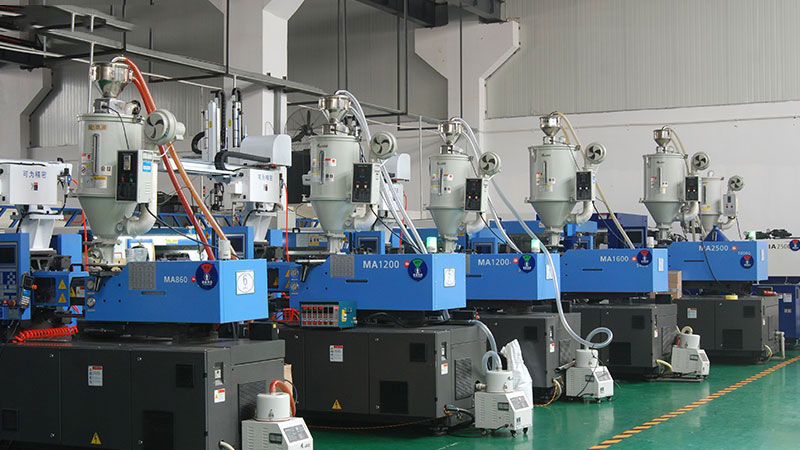
    For overseas buyers, sourcing industrial components like blow molds presents a significant opportunity to enhance production capabilities and reduce costs. China has long been the global epicenter for mold manufacturing, offering a vast landscape of suppliers with varying levels of expertise, technology, and reliability. As we look toward 2026, the market is evolving with increased automation, smarter materials, and higher quality standards. Navigating this complex terrain to find the best blow mold manufacturers in China requires a strategic, informed approach. This guide is designed to provide actionable, problem-solving advice to help you identify reliable partners, ensure stringent quality control, and execute a successful procurement strategy for the coming years.

    Conducting Rigorous Supplier Verification and Qualification

    The first and most critical step is moving beyond simple online directories. A comprehensive verification process is non-negotiable. Start by shortlisting potential China mold factory candidates through industry-specific B2B platforms, but treat this as a preliminary step. The real work begins with due diligence. Request detailed company profiles, business licenses, and export records. For blow mold manufacturers in China, specifically inquire about their experience with your material (PET, HDPE, PP, etc.) and product type (bottles, containers, technical parts). The most effective action is to commission a third-party verification service or, ideally, conduct an on-site audit. In 2026, transparency is expected; a reputable supplier will readily provide virtual factory tours via video call, showcasing their CNC machining centers, EDM equipment, and quality lab. This step filters out trading companies and unqualified workshops, ensuring you engage with genuine manufacturers.

    Defining Specifications and Emphasizing Collaborative Design

    A common pitfall is providing vague or incomplete specifications, leading to costly revisions and project delays. To solve this, prepare a comprehensive Technical Requirement Document. This should include detailed 3D drawings (STEP or IGES files), material specifications, cavity requirements, expected output volumes, and clear quality standards for the finished mold. Distinguish your project from standard injection mold procurement; blow molds have unique considerations like parison control, pinch-off design, and cooling channel efficiency. Engage in a collaborative design review with the shortlisted engineering team. A proficient China mold factory will offer Design for Manufacturability (DFM) feedback, suggesting optimizations for durability, cycle time, and cost-effectiveness. This collaborative phase, often facilitated by clear communication tools, is where a true partnership begins and is a hallmark of the best suppliers.

    Implementing a Multi-Stage Quality Control Protocol

    Quality control cannot be an afterthought; it must be integrated into every phase of the manufacturing process. Relying solely on a final pre-shipment inspection is risky. Instead, implement a staged QC protocol. Key inspection points should include: 1) Raw Material Certification for the mold steel (e.g., H13, S136), 2) First Article Inspection (FAI) after critical machining operations, and 3) a comprehensive Trial Run Report. The trial run is paramount. Insist on a sample production run at the supplier’s facility, where the mold is used to produce samples from the actual material. These samples should be measured against your agreed-upon Critical-to-Quality dimensions and performance tested. Document everything with high-resolution photos and video. This process not only validates the mold’s function but also tests the manufacturer’s process capability, a key indicator of their standing among reliable blow mold manufacturers in China.

    Navigating Logistics, IP Protection, and Long-Term Partnership

    Securing a well-made mold is only part of the journey. Protect your intellectual property from the outset with a robust Non-Disclosure Agreement (NDA) and a clear contract that stipulates ownership of all design files and molds. Discuss packaging—molds require custom, secure crating for ocean freight to prevent damage. Clarify incoterms (FOB is common) and ensure the supplier handles all export documentation professionally. For 2026, forward-thinking buyers are also considering the total cost of ownership. Discuss post-sales support: what is the warranty period on workmanship and materials? What are the terms for mold maintenance, repair, or future modifications? Establishing clear communication channels and expectations for after-sales service transforms a transactional purchase into a strategic, long-term procurement relationship, ensuring your production line remains operational and efficient.

    Conclusion

    Sourcing blow molds from China in 2026 is a strategic endeavor that rewards diligence, clear communication, and proactive quality management. The landscape is competitive, but by implementing a rigorous supplier verification process, collaborating deeply on design, enforcing a multi-stage quality control protocol, and securing your investment through proper contracts and logistics planning, you can successfully tap into China’s manufacturing excellence. The goal is to move beyond being just a buyer to becoming a valued partner to a top-tier China mold factory. By following these actionable steps, you position your business to not only acquire a high-quality tool but also to build a supply chain asset that delivers reliability, efficiency, and competitive advantage for years to come.

    Work With Us

    As a professional China mold manufacturer, we provide one-stop mold solution for overseas buyers.
    📞 Phone: +86-18605944639
    💬 WhatsApp: +8618605944639
    🌐 Website: bestmoldworks.com
    📧 Email: [email protected]
  • custom molds for soft plastics: Reliable Manufacturers 2026

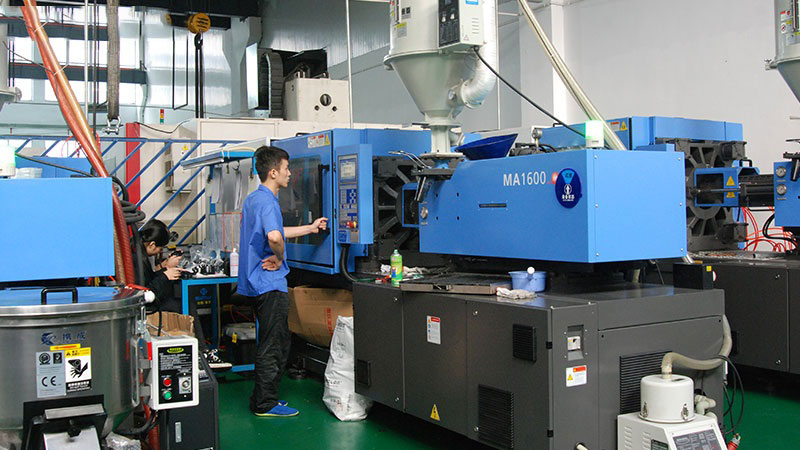
    For overseas buyers in the fishing, toy, or automotive industries, sourcing high-quality custom molds for soft plastics is a critical step in product development. The Chinese manufacturing ecosystem offers unparalleled expertise and cost-effectiveness, but navigating it to find a truly reliable partner can be daunting. As we look toward 2026, the landscape is more competitive and sophisticated than ever. This guide cuts through the noise to provide actionable, professional strategies for verifying and partnering with a top-tier China mold factory. Our focus is on solving real procurement problems, from initial supplier verification to final quality control, ensuring your investment in a custom injection mold delivers flawless production runs for years to come.

    Begin with Deep-Dive Supplier Verification Beyond Alibaba. The first and most crucial step is moving beyond basic directory listings. In 2026, a reliable manufacturer’s digital footprint should tell a comprehensive story. Start by scrutinizing their dedicated website for technical blogs, case studies, and detailed process explanations specific to soft plastic or TPE/TPR materials. Use professional verification tools to check business licenses and export records. The most critical action, however, is to request and thoroughly analyze a portfolio of past projects for custom molds for soft plastics. Ask for videos of molds in operation, ejecting finished soft plastic parts. A credible supplier will readily provide contact information for previous international clients; follow up with these references and ask pointed questions about communication, problem-solving, and post-sales support. This level of due diligence separates marketing from manufacturing capability.

    Master the Technical Dialogue on Injection Mold Design for Soft Plastics. Your ability to communicate technical specifications directly impacts the outcome. A proficient China mold factory will engage deeply on design for manufacturability (DFM). Be prepared to discuss core technicalities: material flow characteristics of your specific soft plastic compound, gate type and location to minimize vestige, cooling channel design for cycle time optimization, and venting to prevent air traps. Discuss the mold steel grade—such as pre-hardened steels like P20 or corrosion-resistant options like S136—for the required durability and finish. Explicitly detail surface finish requirements (SPI standards) and texture specifications, as these are paramount for the final look and feel of the soft plastic product. A reliable partner will proactively offer DFM feedback, suggesting modifications to simplify the tool, enhance durability, or improve part quality, demonstrating their engineering investment in your project’s success.

    Implement a Structured Quality Control and Sampling Protocol. Agreeing on a rigorous quality control framework before order placement is non-negotiable. Your procurement contract must outline clear, measurable inspection stages. Key milestones include First Article Inspection (FAI) using 3D scanning against your CAD model, and a comprehensive Tool Tryout Report with samples produced on the factory floor. For injection mold projects, insist on witnessing the initial sampling run virtually or in person. Evaluate the samples not just for dimensions, but for critical soft plastic attributes: softness, color consistency, flash, and complete filling. Define the acceptance criteria for part weight, critical dimensions, and cosmetic standards. Clarify who bears the cost for mold revisions based on these agreed-upon criteria. This protocol ensures alignment and prevents disputes, turning quality control from a hopeful expectation into a managed process.

    Plan for Total Cost of Ownership and Long-Term Partnership. While initial price is a factor, the true value of a custom injection mold lies in its total cost of ownership over its lifespan. A cheaper mold that requires frequent maintenance, breaks down, or produces inconsistent parts becomes exponentially more expensive. Discuss and get quotations for spare components like cores, ejector pins, and heaters. Understand the supplier’s policy and capability for mold maintenance, repair, and future modifications. A reliable 2026 manufacturer views the mold as the start of a partnership. They will provide detailed maintenance manuals, offer training for your production staff, and be available for technical support. This long-term perspective is essential, as your soft plastic product line may evolve, requiring mold adjustments or family mold expansions. Choosing a partner equipped for this journey protects your initial investment and ensures supply chain stability.

    Navigate Logistics, IP Protection, and Clear Communication. Finalizing the order requires attention to legal and logistical details. Ensure a robust Non-Disclosure Agreement (NDA) and contract that explicitly states your ownership of the mold and part design. Consider mold registration with Chinese customs to prevent unauthorized export. Discuss logistics upfront: will the mold be shipped to your overseas production facility or remain in China for production? For export, factor in professional crating, insurance, and shipping lead times. Throughout this phase, consistent, clear communication is vital. Assign a single point of contact on both sides, use marked-up drawings and videos for clarity, and establish regular update schedules. Overcoming language and cultural barriers through structured communication is the final, practical step in securing a successful partnership.

    Conclusion

    Securing reliable manufacturers for your custom molds for soft plastics in 2026 demands a strategic, informed approach that prioritizes verification, technical collaboration, and long-term value over short-term cost savings. By implementing deep-dive supplier checks, engaging in precise technical dialogue, enforcing structured quality control protocols, and planning for the total cost of ownership, overseas buyers can mitigate risk and build profitable, enduring relationships with Chinese mold factories. The goal is to transform the complex process of offshore injection mold procurement into a streamlined, reliable pillar of your supply chain, ensuring that the soft plastic products you envision are manufactured to the highest standards of quality and consistency.

    Work With Us

    As a professional China mold manufacturer, we provide one-stop mold solution for overseas buyers.
    📞 Phone: +86-18605944639
    💬 WhatsApp: +8618605944639
    🌐 Website: bestmoldworks.com
    📧 Email: [email protected]

  • plastic injection mould manufacturer in china: Profess 2026

    For overseas businesses, sourcing a reliable plastic injection mould manufacturer in China remains one of the most impactful decisions for product development, cost efficiency, and supply chain resilience. As we look toward 2026, the landscape is not just about finding low-cost labor; it is about strategic partnership with technically adept, process-driven, and transparent suppliers. The evolution of Chinese manufacturing has shifted from pure cost advantage to a blend of precision engineering, advanced automation, and sophisticated project management. This guide cuts through the noise to provide actionable, real-world strategies for your procurement success, helping you navigate supplier verification and implement robust quality control from the first sketch to mass production.

    Mastering Supplier Verification Beyond the Website

    The initial search will yield hundreds of potential China mold factories. The critical first step is deep verification. In 2026, a polished website and fluent English sales reps are table stakes, not guarantees of capability. Move beyond the surface by insisting on a virtual or recorded factory tour focused on the mold shop, not the assembly floor. Look for evidence of modern CNC machining centers, EDM equipment, and mold polishing stations. Request detailed case studies for projects similar in size, complexity, and material to yours. Crucially, verify their internal quality control processes; ask for documentation of their First Article Inspection (FAI) reports and their system for dimensional control using CMM reports. A true professional injection mold maker will transparently share their failure analysis procedures for previous projects, demonstrating a culture of problem-solving rather than blame-shifting.

    The Technical Dialogue: Specifying Your Injection Mold with Precision

    Clear, unambiguous technical communication is your primary tool for avoiding costly revisions and delays. The most successful buyers in 2026 will provide not just a 3D file, but a comprehensive mold specification document. This should include critical details such as expected annual volumes, which directly influence mold steel selection (e.g., pre-hardened steel vs. high-grade hardened steel). Specify surface finish requirements using SPI standards, tolerance grades for critical dimensions, and the intended plastic resin, as this affects shrinkage calculations and gate design. Discuss and agree upon mold flow analysis expectations upfront—will they provide a full report? This technical dialogue tests the factory’s engineering prowess. A qualified partner will ask insightful questions about your part’s function, potential sink marks, ejection strategies, and maintenance plans, proving they are invested in the mold’s lifecycle, not just a one-time sale.

    Structuring Contracts and Phased Payments for Mutual Security

    A professional partnership is built on a clear, fair commercial framework. Your payment terms should be structured in phases tied to verifiable milestones, protecting both parties. A common and effective structure for 2026 includes: 30% deposit upon order confirmation, 40% payment upon approval of mold trial samples and inspection reports, and the final 30% balance after final approval and before shipment. This aligns the China mold factory’s incentives with your quality goals. The contract must explicitly define ownership of the mold design and tooling. Include clauses for revision costs, specifying what constitutes a minor adjustment versus a major change request. Clearly state warranty terms—typically 12-24 months against manufacturing defects—and the process for repair or correction. This level of contractual clarity is non-negotiable for professional procurement and prevents misunderstandings that can derail projects.

    Implementing Proactive Quality Control Gates

    Relying solely on pre-shipment inspection is a high-risk strategy for precision injection molds. Instead, implement a gated quality control process with checks at critical stages. Demand and review the mold design drawings before steel is cut. Require photographic evidence of key machining steps, such as core and cavity finishing. The most critical gate is the initial Trial Run Report (T1). Insist on receiving actual sample parts from the first shots, along with a detailed report documenting process parameters, measurements, and any issues. For high-volume or critical parts, consider engaging a local third-party quality inspection firm to witness the trial run and conduct initial sample measurement. This hands-on, evidence-based approach allows for corrections while the mold is still in the factory, saving immense cost and time compared to discovering flaws after the mold has been shipped overseas.

    Navigating Logistics and Post-Sales Support

    Your responsibility does not end when the mold is shipped. Understanding Incoterms 2020 is crucial; FOB is often preferred as it gives you control over the main shipping freight and insurance. Ensure the China mold factory provides a professional mold export crate, with proper desiccant and rust prevention for the sea voyage. Discuss and agree on post-sales support before the order is placed. What is their response time for technical queries? How will they handle a need for a spare part or a repair? Some leading plastic injection mould manufacturers in China now offer digital support packages, including cloud-based access to mold drawings and maintenance logs. Establishing these protocols ensures a long-term partnership where the mold is an asset, not a consumable, directly impacting your production uptime and product quality for years to come.

    Conclusion

    Succeeding as an overseas buyer in 2026 requires a shift from transactional purchasing to strategic technical partnership. The goal is to identify a Chinese injection mold supplier that operates as a seamless extension of your own engineering team. By executing rigorous supplier verification, leading with precise technical specifications, structuring secure contracts, enforcing gated quality controls, and planning for long-term support, you mitigate the inherent risks of overseas procurement. The result is more than just a cost-effective mold; it is a robust foundation for product quality, supply chain stability, and competitive advantage. In the evolving landscape of Chinese manufacturing, those who approach the process with professionalism, diligence, and clear communication will find unparalleled value and partnership.

    Work With Us

    As a professional China mold manufacturer, we provide one-stop mold solution for overseas buyers.
    📞 Phone: +86-18605944639
    💬 WhatsApp: +8618605944639
    🌐 Website: bestmoldworks.com
    📧 Email: [email protected]

  • Mold for rubber parts: Complete Procurement Guide 2026

    Importing a mold for rubber parts from China represents a significant strategic decision for overseas businesses. It offers unparalleled advantages in cost-efficiency, manufacturing scale, and technical capability. However, navigating this complex procurement landscape requires more than just finding a low quote. This complete 2026 guide is designed to equip you with a professional, actionable framework to secure a high-quality rubber mold that meets your exact specifications, timeline, and budgetary constraints, while mitigating the inherent risks of international sourcing.

    Understanding the Technical Landscape: More Than Just an Injection Mold

    Before engaging suppliers, clarifying your technical requirements is paramount. A mold for rubber parts is distinct from a standard plastic injection mold. Rubber, whether silicone, EPDM, Nitrile, or FKM, requires specific design considerations. Key factors include the molding process (compression, transfer, or liquid injection), material shrinkage rates, venting for air traps, and the need for post-curing. Clearly define your part material, expected annual volumes, cosmetic requirements (e.g., SPI finish standards), and critical tolerances. This technical dossier will not only streamline communication but will immediately separate sophisticated China mold factory partners from generic workshops. Presenting detailed 2D drawings and 3D CAD models (STEP or IGS format) is non-negotiable for an accurate quotation and prevents costly misunderstandings later.

    The Critical Phase of Supplier Verification and Selection

    The cornerstone of successful procurement is rigorous supplier verification. In 2026, due diligence goes beyond Alibaba storefronts. Start by shortlisting manufacturers specializing in rubber molds, not just general injection mold makers. Scrutinize their portfolio for similar projects in your industry, such as automotive seals, medical diaphragms, or industrial gaskets. Essential verification steps include a virtual or, ideally, in-person factory audit. Request to see their CNC, EDM, and precision grinding equipment. Assess their quality control protocols—do they use CMMs, profile projectors, and durometers? Verify business licenses and export history. Crucially, request and contact past overseas clients. A reliable supplier will be transparent. This stage is an investment that filters out subpar vendors and identifies partners capable of delivering a precision mold for rubber parts that performs consistently in production.

    Navigating the Quotation and Contractual Framework

    A professional quotation should be a detailed document, not just a single bottom-line price. Analyze it for a clear breakdown: mold base material (e.g., P20, 718, S136 steel), cavity/core material and hardness (often H13 hardened to 48-52 HRC for rubber), number of cavities, expected cycle time, and all surface treatments (nitriding, polishing). Crucially, define the approval process. A robust contract must include clauses for IP protection (your design remains your property), a step-by-step payment schedule (e.g., 30% deposit, 40% after T1 sample approval, 30% before shipment), and detailed milestones for design review, mold flow analysis (if applicable), and sample submission. Specify the number of free sample iterations and the protocol for design changes. This clarity protects both parties and sets a professional tone for the project.

    Implementing Proactive Quality Control from DFM to Shipment

    Quality cannot be inspected into a mold; it must be built in. Insist on a Design for Manufacturability (DFM) review before steel is cut. A competent China mold factory will provide feedback on draft angles, parting line location, and gating to optimize mold life and part quality. During manufacturing, mandate regular progress reports with photos and videos of key stages—machining, heat treatment, assembly, and try-out. The most critical checkpoint is the Trial Run (T1) sample. Do not accept samples from a different material. Samples should be produced using your specified rubber compound, on the actual production mold, under standard conditions. Conduct comprehensive First Article Inspection (FAI) against your drawings, checking dimensions, hardness, tensile strength, and sealing performance. Consider hiring a third-party quality inspection firm in China for an impartial pre-shipment audit of the final mold and sample batch. This layered QC approach is your primary risk mitigation tool.

    Logistics, After-Sales, and Long-Term Partnership

    Finalizing the procurement involves careful logistics planning. Discuss Incoterms 2020 explicitly—FOB Shanghai is common, but understand your responsibilities. Ensure the mold is properly preserved (anti-rust treatment) and crated in a robust, waterproof wooden case for ocean freight. Insurance for the full value is advisable. The relationship with your supplier should extend beyond delivery. A professional partner will provide comprehensive mold maintenance manuals, spare parts lists, and clear warranty terms covering workmanship and materials (typically 12-18 months). Establish channels for ongoing technical support. A successful project transforms your supplier from a vendor into a strategic manufacturing partner for future projects, ensuring consistency and continuous improvement for your rubber part production.

    Conclusion

    Procuring a high-performance mold for rubber parts from China in 2026 demands a disciplined, informed approach that balances cost with quality and risk. By mastering the technical specifics, executing thorough supplier verification, structuring clear contracts, enforcing rigorous quality control, and planning for the long term, overseas buyers can confidently unlock the immense value of Chinese manufacturing. The goal is not merely to purchase a tool, but to secure a foundational asset that will produce reliable, cost-effective rubber components for years to come. This strategic procurement journey, built on professionalism and due diligence, is your blueprint for success.

    Work With Us

    As a professional China mold manufacturer, we provide one-stop mold solution for overseas buyers.
    📞 Phone: +86-18605944639
    💬 WhatsApp: +8618605944639
    🌐 Website: bestmoldworks.com
    📧 Email: [email protected]

  • injection moulding factory: Best Suppliers & Quality C 2026

    For overseas buyers, sourcing from an injection moulding factory in China remains one of the most effective strategies to achieve significant cost savings and access advanced manufacturing capabilities. However, the landscape is evolving rapidly. As we look toward 2026, the challenge is no longer simply about finding a low-cost producer; it is about strategically identifying partners who can deliver consistent quality, technological proficiency, and reliable communication. This guide provides actionable insights to navigate the procurement process, mitigate risks, and secure a partnership with a top-tier China mold factory that will serve your needs into the future.

    The foundation of a successful import project lies in rigorous supplier verification. Moving beyond a simple Alibaba search is crucial for 2026. Start by creating a detailed request for quotation (RFQ) that includes not just part drawings, but material specifications, expected annual volumes, quality standards (e.g., ISO 9001, IATF 16949), and post-molding requirements. This filters out incapable suppliers immediately. Utilize B2B platforms but cross-reference findings with official business licenses (via Chinese government websites) and industry-specific directories. For critical projects, consider hiring a third-party sourcing agent located in the industrial hubs of Dongguan, Ningbo, or Shenzhen to conduct initial factory audits. A professional injection moulding factory will readily provide client references, showcase past projects similar to yours, and offer transparent communication through platforms like Zoom or Teams for virtual factory tours. Verifying their engineering team’s expertise in Design for Manufacturability (DFM) feedback is a key indicator of professionalism.

    Once a shortlist is established, a deep dive into their quality control ecosystem is non-negotiable. The best suppliers distinguish themselves with a proactive, documented quality management system. Inquire specifically about their process control for the injection mold itself and the final parts. Do they use advanced measuring equipment (CMM, 3D scanners) for first article inspection? What is their protocol for mold flow analysis before cutting steel? Understanding their in-process checks during production—such as frequency of dimensional checks, gate cut inspections, and packaging standards—is vital. For overseas buyers, insisting on a staged inspection protocol is wise. This typically includes a pre-production inspection of raw materials, an initial production check after the first 300-500 parts, and a final random inspection before shipment. Reputable partners will document everything with detailed inspection reports (including photos and video), turning quality control from a hopeful expectation into a verifiable process.

    Clear communication and contractual precision are your primary legal and operational safeguards. Misunderstandings in technical specifications, payment terms, or intellectual property (IP) protection can derail any project. Ensure all technical discussions and DFM suggestions are documented in writing. Your contract must explicitly state ownership of the injection mold design and tooling; a secure clause ensures the physical mold remains your property, often held in escrow at the factory. Payment terms should be staged (e.g., 30% deposit, 40% after T1 sample approval, 30% before shipment) to align incentives with project milestones. Furthermore, define sample approval procedures, acceptable defect rates (AQL), and responsibilities for mold modification costs. A professional China mold factory expects and respects such clarity, as it protects both parties and ensures a smooth procurement journey.

    Looking ahead to 2026, aligning with forward-thinking manufacturers will provide a competitive edge. The leading injection moulding factories are investing in automation, Industry 4.0 data integration, and sustainable practices. Evaluate a potential supplier’s readiness for the future. Do they offer cleanroom molding for medical or optical parts? Can they handle engineering-grade resins or bio-polymers? Their investment in all-electric injection machines (which offer superior precision and energy efficiency) is a strong indicator of a commitment to quality and modernity. Furthermore, discuss their scalability and flexibility to handle both low-volume, high-mix projects and high-volume production runs. A partner with this dual capability can grow with your business, adapting to market demands more efficiently.

    Ultimately, building a successful partnership transcends a single transaction. View your chosen supplier as a strategic extension of your manufacturing operations. Foster the relationship through regular communication, fair negotiations, and planned visits when possible. Consider starting with a smaller, less critical project to test the partnership before committing to high-value tooling. A reliable injection moulding factory values long-term clients and will often go the extra mile for buyers who demonstrate loyalty and clear intent. This collaborative approach, grounded in the due diligence and strategic verification outlined above, is the most effective way to secure not just a supplier for 2026, but a manufacturing partner for the long term.

    In conclusion, importing molds from China in 2026 demands a shift from price-centric sourcing to value-driven partnership selection. By implementing a disciplined approach to supplier verification, insisting on transparent and documented quality control, securing contracts with precision, and evaluating future-ready capabilities, overseas buyers can confidently navigate the market. The goal is to transform the inherent complexities of international procurement into a streamlined, reliable channel for high-quality injection mold and part production, ensuring your supply chain is both cost-effective and robust for the years ahead.

    Work With Us

    As a professional China mold manufacturer, we provide one-stop mold solution for overseas buyers.
    📞 Phone: +86-18605944639
    💬 WhatsApp: +8618605944639
    🌐 Website: bestmoldworks.com
    📧 Email: [email protected]