Blog

  • tyre mould manufacturers in china: Professional Buying 2026

    For global tire brands and manufacturers, sourcing high-precision tyre moulds is a critical strategic decision that directly impacts product quality, production efficiency, and market competitiveness. As we look towards 2026, China remains the world’s foremost hub for mold manufacturing, offering an unparalleled combination of advanced technological capabilities and cost-effectiveness. However, navigating this vast and complex market requires a professional, informed approach to mitigate risks and secure a truly valuable partnership. This guide is designed to equip overseas buyers with actionable strategies for successfully identifying, vetting, and collaborating with top-tier tyre mould manufacturers in China.

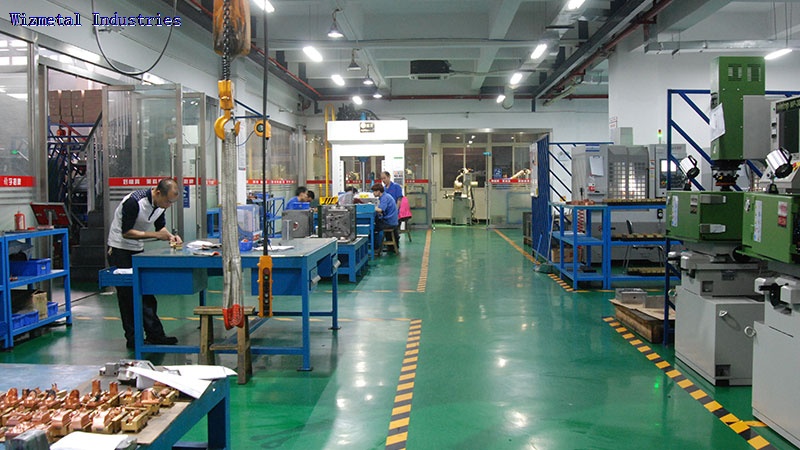
    The cornerstone of any successful import project is rigorous supplier verification. Moving beyond simple online directories or trade show contacts is essential for 2026. Begin by verifying the manufacturer’s business license and export credentials. A professional audit should include a deep dive into their specific experience with tyre moulds—request detailed case studies, preferably with international clients. Examine their proficiency in the specific technologies you require, whether it be precision machining for high-performance sipes, advanced EDM for intricate tread patterns, or expertise in segmented mould designs. The most reliable China mold factory will transparently share this information and have a documented process for protecting intellectual property, a non-negotiable point in this industry. Initial video conferences are useful, but for a significant investment, nothing replaces an in-person audit of their facility to assess machinery, workshop organization, and engineering team capabilities.

    Once a potential partner is shortlisted, a meticulous focus on technical specifications and quality control protocols becomes paramount. The procurement phase must be governed by an exhaustively detailed technical agreement. This document should go beyond basic dimensions and cover steel grade specifications (such as P20, H13, or stainless steel), hardness requirements, surface treatment processes (like nitriding or chrome plating), and guaranteed tolerances for critical components. Clearly define the stages for quality inspection: first article inspection (FAI) after machining, pre-shipment testing, and the standards to be used (e.g., sample tyre measurements, 3D scanning against CAD data). Insist on documented process control at every stage. Reputable tyre mould manufacturers in china will have a dedicated QC department and welcome your third-party inspection, such as SGS or BV, at key milestones before shipment. This proactive approach prevents costly disputes and rework after the mould arrives at your plant.

    Understanding the commercial and logistical framework is equally critical. While competitive pricing is a key advantage, professional buyers in 2026 will prioritize total cost of ownership and contractual clarity. Obtain detailed, itemized quotations that break down costs for design, material, machining, heat treatment, and finishing. Be explicit about payment terms; a common secure structure is 30-40% deposit, 50-60% upon pre-shipment approval, and perhaps 10% retained after successful trial in your facility. Incoterms must be unequivocally stated—FOB Shanghai is typical, placing responsibility for international shipping and insurance on you, offering greater control. Ensure the contract includes warranties for workmanship and material defects, remedies for delays, and a clear protocol for handling design changes. Effective communication here sets the tone for the entire partnership.

    The final and often underestimated phase is post-sales support and long-term relationship management. A high-quality injection mold for tyres is a long-term asset, and its performance over years of production cycles is the ultimate test of your supplier. Before finalizing your order, discuss and agree upon the terms for technical support, provision of spare parts (like bolts, vents, or segments), and the possibility for future mould refurbishment. The leading suppliers view the initial sale as the start of a partnership. Establish clear channels for communication for when issues arise during your production trials. A supplier willing to provide prompt remote assistance or even dispatch an engineer demonstrates a commitment to your success that transcends a single transaction. This relational aspect transforms a vendor into a strategic extension of your manufacturing capability.

    In conclusion, professional buying from tyre mould manufacturers in china in 2026 is a disciplined process that balances technological scrutiny with commercial and relational acumen. It transitions from a simple price-driven purchase to a strategic procurement exercise focused on value, risk mitigation, and long-term operational success. By implementing a rigorous framework of supplier verification, uncompromising quality control, clear contractual agreements, and planning for ongoing support, overseas buyers can confidently leverage China’s manufacturing excellence. The goal is not merely to import a mold, but to establish a reliable partnership with a China mold factory that ensures your tire production remains innovative, efficient, and competitive for years to come.

    Work With Us

    As a professional China mold manufacturer, we provide one-stop mold solution for overseas buyers.
    📞 Phone: +86-18605944639
    💬 WhatsApp: +8618605944639
    🌐 Website: bestmoldworks.com
    📧 Email: [email protected]
  • custom molded products: Professional Buying Guide 2026

    For overseas buyers and product developers, China remains the epicenter of manufacturing innovation and cost-effective production. The journey to procure high-quality custom molded products, however, is paved with both immense opportunity and potential complexity. Successfully navigating this landscape requires more than just finding a low quote; it demands a strategic, informed approach to partnership and quality assurance. This 2026 professional buying guide is designed to equip you with actionable, up-to-date strategies for importing molds and molded parts from China, transforming a daunting process into a streamlined and reliable supply chain pillar.

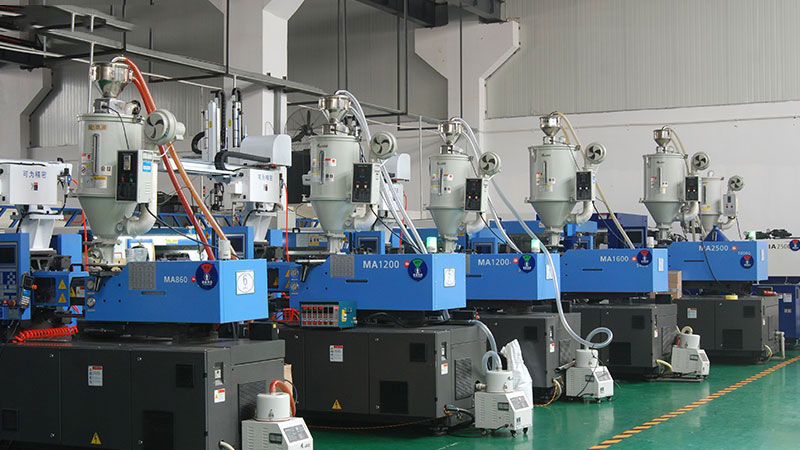
    The foundation of any successful project for custom molded products lies in meticulous supplier verification. The era of selecting a China mold factory based solely on an Alibaba storefront is over. In 2026, due diligence is multi-faceted. Begin with a deep dive into technical capability. Request detailed case studies for projects similar in size, complexity, and material to yours. Verify business licenses and export credentials. Crucially, insist on a video conference to tour the facility virtually; observe the workshop organization, the age and maintenance of machinery (look for brands like Haitian, Engel, or Arburg), and the presence of a dedicated quality lab. Utilize third-party inspection services for pre-qualification audits. This initial investment in verification filters out unqualified workshops and identifies partners with the genuine capability to bring your design to life, setting the stage for a smooth procurement process.

    Once a potential partner is identified, mastering the technical and commercial dialogue is critical. Your Request for Quotation (RFQ) package must be comprehensive. Beyond a 3D CAD file (STEP or IGS format), include detailed 2D drawings with GD&T (Geometric Dimensioning and Tolerancing), clearly specified material grades (e.g., PA66+30%GF, not just “nylon”), surface finish requirements (SPI standards), and expected annual volumes. For the injection mold itself, discuss core technologies upfront: expected mold life (number of shots), mold flow analysis plans, cooling channel design, and the type of steel (e.g., S136, P20, H13) proposed. A professional factory will ask clarifying questions and may suggest design for manufacturability (DFM) improvements to reduce cost and enhance part quality. Treat this exchange as a collaborative technical review; a supplier that passively accepts your files without feedback may lack the engineering expertise needed for optimization.

    The procurement phase extends beyond agreeing on a price. A transparent and structured contract is your primary risk mitigation tool. It should explicitly define the scope of work, payment terms (e.g., 30-50% deposit, balance before shipment), a phased milestone schedule (e.g., design approval, T1 sample approval), and most importantly, the quality acceptance criteria. Reference international standards for part measurement (e.g., using CMM reports) and defect classification. Specify ownership of the mold design and tooling, ensuring it is held in escrow at the factory or can be transferred. Clearly outline the procedure for handling deviations, delays, and non-conforming samples. This legal and operational framework aligns expectations and provides clear recourse, protecting your investment throughout the development cycle.

    Proactive and staged quality control is non-negotiable. Do not wait until the final production run to inspect your parts. Implement a multi-gate inspection protocol. The first critical gate is the T1 sample from the initial mold trial. Evaluate these samples not just visually, but dimensionally against your drawings. The second gate is a Pre-Production Inspection (PPI) once the mold is approved and a small batch is run under production conditions. Finally, conduct a During Production Inspection (DPI) or Final Random Inspection (FRI) for larger orders. Consider hiring a local third-party quality control firm to perform these inspections objectively. Discuss the factory’s internal QC processes: do they perform first-article inspections, process capability studies (Cp/Cpk), and maintain inspection records? A reliable partner will welcome this structured oversight as it demonstrates your professionalism and reduces the risk of costly bulk rejections.

    The final step encompasses logistics, intellectual property (IP) protection, and long-term partnership. Ensure you understand Incoterms 2020—FOB Shanghai is common, but you must account for shipping, insurance, and import duties. For IP protection, while a strong contract is vital, practical steps include filing for design or utility patents in China where possible and working with factories that have a reputation to uphold. Splitting production of critical components or engaging a mold-making factory that does not offer competing end-products can also reduce risk. View successful collaboration as a long-term asset. A trustworthy China mold factory becomes an extension of your R&D team, capable of supporting design iterations, material changes, and scaling production efficiently for years to come.

    Importing molds and custom molded products from China in 2026 is a strategic endeavor that rewards preparation, technical collaboration, and diligent oversight. By rigorously verifying suppliers, engaging in detailed technical commerce, structuring solid contracts, implementing staged quality control, and planning for the long term, overseas buyers can unlock the full potential of Chinese manufacturing. The goal is to move beyond a transactional relationship to a strategic partnership where quality, innovation, and reliability converge. With this professional guide as your roadmap, you are equipped to navigate the complexities of the market and build a supply chain that delivers consistent value and competitive advantage for your business.

    Work With Us

    As a professional China mold manufacturer, we provide one-stop mold solution for overseas buyers.
    📞 Phone: +86-18605944639
    💬 WhatsApp: +8618605944639
    🌐 Website: bestmoldworks.com
    📧 Email: [email protected]
  • custom injection molding manufacturer: Ultimate Guide f 2026

    Navigating the landscape of custom plastic part production in China presents a significant opportunity for cost efficiency and scalability, yet it is fraught with complexities for the uninitiated. For overseas buyers, particularly those new to importing molds, the process involves more than just finding a low quote. It demands a strategic approach to supplier verification, technical communication, and quality assurance to transform a concept into a reliable, mass-produced component. This guide is designed to cut through the noise, offering a practical, step-by-step framework for engaging with a custom injection molding manufacturer in China. We will focus on actionable strategies to mitigate risk, ensure quality, and build a profitable, long-term supply chain partnership as we look toward 2026 and beyond.

    Mastering the Technical Dialogue and RFQ Process

    The foundation of a successful project lies in a precise and comprehensive Request for Quotation. A vague inquiry will yield inaccurate quotes and set the stage for misunderstandings. When preparing your RFQ for a China mold factory, go beyond basic part dimensions. Include a detailed 3D model, preferred material specifications, expected annual volumes, and cosmetic requirements. Crucially, define the part’s function and critical tolerances. Professional manufacturers will analyze your design for manufacturability. Be prepared for a Design for Manufacturability review, where an experienced engineer might suggest subtle changes to wall thickness, rib design, or gate locations that can drastically reduce molding difficulties and cost without compromising function. This collaborative technical dialogue separates true partners from mere order-takers.

    The Critical Step of Supplier Verification and Vetting

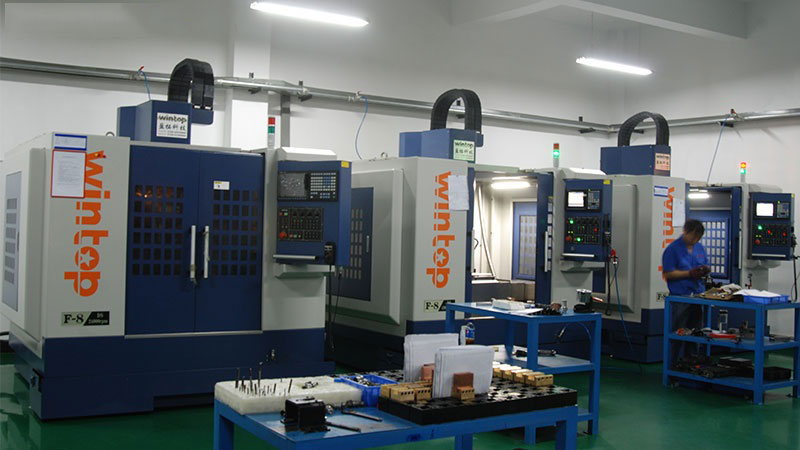
    The single most important action you can take is thorough supplier verification. In 2026, digital tools make this more accessible, but they do not replace due diligence. Start by verifying business licenses and export credentials. However, true verification goes deeper. Request and contact references from existing overseas clients. Scrutinize the supplier’s portfolio for projects similar in complexity and industry to yours. A manufacturer specializing in medical-grade components may not be ideal for automotive interiors. Utilize video calls to conduct virtual factory tours; assess the organization, machinery, and working environment. Key questions to ask include their standard mold steel brands, their process for mold flow analysis, and their in-house capabilities versus outsourced processes. This phase is not about finding the cheapest injection mold supplier, but the most competent and transparent partner for your specific needs.

    Navigating Prototyping, Sampling, and Quality Control Gates

    A reputable custom injection molding manufacturer understands that quality is built into the process, not inspected in at the end. Insist on a staged approval process with clear gates. Typically, this begins with a T1 sample from the finished mold. Evaluate these samples meticulously against your master sample or CAD data. This is the time to check fit, form, and function. Do not proceed to mass production until the T1 samples are signed off. Discuss and agree upon a Quality Control plan before production begins. This should include First Article Inspection reports, In-Process Quality Checks, and a Final Random Inspection standard. Clarify who bears the cost for pre-shipment inspections and whether they use internationally recognized standards. Having a third-party quality control agent conduct inspections during production and before shipment is a highly recommended investment for high-volume or critical parts.

    Managing Logistics, IP Protection, and Long-Term Partnership

    Finalizing the procurement involves clear agreements beyond unit price. Draft a detailed contract covering payment terms, delivery schedule, liability for delays, and most importantly, intellectual property protection. A robust NDA and contract stating that all molds and designs remain your property are essential. Discuss logistics upfront; will the supplier handle FOB port, or do you need DDP terms? Understand the lead times for both mold manufacturing and production runs. Finally, view this as a long-term partnership. A reliable supplier becomes an extension of your engineering team. Provide clear feedback, pay invoices promptly, and communicate forecast changes. This fosters goodwill and often leads to priority service and collaborative cost-down initiatives in future projects.

    Conclusion

    Importing injection molds from China in 2026 requires a blend of technical clarity, rigorous verification, and structured quality management. By approaching the engagement professionally—starting with a detailed RFQ, conducting exhaustive supplier verification, enforcing strict sampling protocols, and formalizing agreements—you transform a complex overseas procurement into a streamlined and highly advantageous operation. The goal is to move beyond a transactional relationship to build a strategic alliance with a China mold factory that ensures not just the success of your initial order but also the scalability and reliability of your supply chain for years to come. With this guide as your framework, you are equipped to make informed decisions and capitalize on the expertise of a skilled custom injection molding manufacturer.

    Work With Us

    As a professional China mold manufacturer, we provide one-stop mold solution for overseas buyers.
    📞 Phone: +86-18605944639
    💬 WhatsApp: +8618605944639
    🌐 Website: bestmoldworks.com
    📧 Email: [email protected]
  • Mold for PC parts: Professional Buying Guide 2026 | China Mold Factory

    For overseas buyers, from ambitious startups to established OEMs, sourcing a high-precision mold for PC parts represents a critical strategic decision. The right tooling investment from a capable China mold factory can unlock unparalleled value, scalability, and competitive advantage. However, the path to a successful procurement outcome is paved with technical and logistical complexities. This 2026 guide cuts through the noise, offering a professional, actionable framework to navigate the Chinese manufacturing landscape. We move beyond simple supplier lists to solve the real problems you face in supplier verification, technical alignment, and quality assurance, ensuring your project for an injection mold meets the exacting standards of the PC components industry.

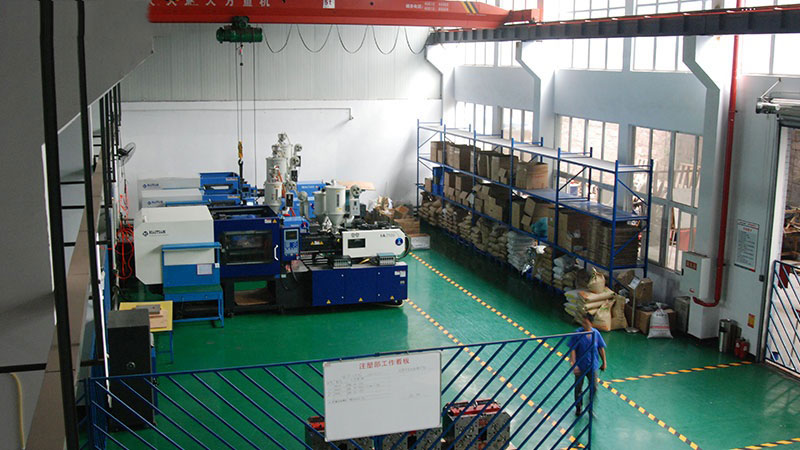
    The cornerstone of any successful import project is rigorous supplier verification. In 2026, this extends far beyond checking a company’s website or Alibaba Gold Supplier status. The first practical step is to segment your search. Target factories with demonstrable experience in precision plastics, specifically for electronics or computer peripherals. Request detailed case studies, not just product photos. A professional supplier will readily provide videos of molds in operation, showcasing ejection, cycling, and part demolding. Utilize video conferencing for virtual factory tours, focusing on their mold maintenance area and injection molding workshop—this reveals their commitment to tool longevity and production support. Crucially, verify their engineering team’s capability. The design of a mold for PC parts requires deep knowledge of material flow, cooling for dimensional stability, and surface finish technologies. Insist on direct communication with their lead project engineer during the quotation phase to assess their technical comprehension.

    Once a technically-qualified supplier is shortlisted, mastering the procurement and development process is your next critical phase. A professional China mold factory will treat the initial DFM (Design for Manufacturability) report as the most important document. Do not proceed without a comprehensive one. This report should address gate locations, weld line predictions, shrinkage rates for your specified PC blend (e.g., PC+ABS, flame-retardant PC), and ejection strategies. Clearly define all milestones, payments, and deliverables in your contract: 30% upon order, 40% after T1 sample approval, 30% before shipment. For tooling, insist on full mold flow analysis simulation reports. This computer-aided engineering is non-negotiable for complex parts, as it predicts and solves filling, packing, and cooling issues digitally, saving weeks of costly trial-and-error. Furthermore, agree on a structured sample approval process. The First Article Inspection (FAI) report from the T1 samples must be meticulously compared against your 2D drawings, with specific attention to critical dimensions and assembly interfaces.

    Implementing proactive quality control from the outset is what separates successful buyers from those facing costly rework. Your quality protocol must be contractually agreed upon before the first block of steel is cut. For an injection mold destined for PC parts, this starts with material certification for both the mold steel (e.g., pre-hardened 718, S136 for corrosion resistance) and your plastic resin. Define the inspection equipment the factory must use: CMM (Coordinate Measuring Machine) reports for core and cavity dimensions, and optical profilers for surface texture if required. During sampling, perform your own validation. Use go/no-go gauges, CMM spot-checking, and rigorous assembly testing. Consider engaging a reputable third-party inspection company based in China for critical milestones, such as the Final Random Inspection (FRI) before the mold shipment. This independent audit of dimensions, finish, and functionality provides an essential layer of risk mitigation. Document every non-conformance with clear photographs and measurements, and ensure the supplier’s corrective action plan is robust.

    The final practical consideration encompasses logistics, IP protection, and long-term partnership. Secure a detailed mold maintenance and warranty agreement. A professional supplier will offer a standard 12-24 month warranty against material and workmanship defects, outlining responsibilities for repair costs and turnaround times. For Intellectual Property, a well-drafted NNN Agreement (Non-Use, Non-Disclosure, Non-Circumvention) governed by Chinese law is more effective than a standard NDA. It specifically prevents the factory from using your design for other clients. Regarding logistics, decide early on shipping terms (FOB, EXW, etc.) and mold storage. If you plan to run production locally, you will ship the tool. If production remains in China, discuss secure storage solutions at the factory. Finally, view this procurement as forging a partnership. A reliable China mold factory is an extension of your R&D and production team. Transparent communication, mutual respect, and clear expectations are the intangible assets that ensure not just a successful first project but a streamlined pipeline for future molds.

    In conclusion, importing a high-performance mold for PC parts from China in 2026 is a venture defined by strategic diligence rather than mere cost-saving. The journey from concept to a durable, precision injection mold hinges on a methodical approach: deep technical verification, a structured and transparent procurement process, embedded quality control measures, and a focus on long-term collaboration. By applying this professional framework, overseas buyers can confidently engage with Chinese mold factories, transforming the inherent challenges of global supply chains into a definitive competitive edge. The goal is not just to purchase a tool, but to secure the manufacturing foundation for superior PC components, ensuring quality, consistency, and scalability for years to come.

    Work With Us

    As a professional China mold manufacturer, we provide one-stop mold solution for overseas buyers.
    📞 Phone: +86-18605944639
    💬 WhatsApp: +8618605944639
    🌐 Website: bestmoldworks.com
    📧 Email: [email protected]
  • Custom Silicone Mold with Logo: Complete Procurement Gu 2026

    For overseas businesses, from startups to established brands, sourcing custom silicone products with your distinct logo is a powerful strategy for branding and product differentiation. The heart of this process is procuring a high-quality **Custom Silicone Mold with Logo**. China remains the global epicenter for mold manufacturing, offering unparalleled expertise and cost efficiency. However, navigating this landscape requires a strategic, informed approach to turn potential pitfalls into a seamless success. This 2026 guide is designed to provide overseas buyers with a professional, actionable roadmap for procuring your logo-embossed silicone molds from China, focusing on solving real procurement challenges.

    The journey begins long before a quote is requested; it starts with precise definition. A vague request leads to misquotes and unsatisfactory samples. You must provide your supplier with comprehensive design specifications. This includes detailed 2D drawings or 3D CAD files (STEP or IGS formats are standard) with all critical dimensions, tolerances, and the exact logo artwork in vector format (AI or EPS). Specify the silicone material grade required—whether it’s food-grade, medical-grade, or general-purpose—along with the desired hardness (Shore A), color, and expected production volume. Crucially, define the mold type: will it be a simple single-cavity mold, a multi-cavity mold for higher output, or a complex mold with inserts for different logo placements? Clear specifications form the bedrock of effective communication with any **China mold factory** and prevent costly revisions later.

    Finding a manufacturer is easy; verifying a reliable partner is the critical step. Moving beyond Alibaba listings is essential. Start by shortlisting suppliers with proven experience in silicone **injection mold** and compression molding, not just plastic. Scrutinize their online portfolio for similar projects. A legitimate factory will readily provide a virtual tour or past client references. The cornerstone of **supplier verification** in 2026 involves a three-step check: First, verify business licenses and export credentials. Second, insist on a video conference to meet the engineering team and see workshop snippets—this separates traders from actual manufacturers. Third, start small. Propose a single-cavity prototype mold as a pilot project to assess their technical capability, communication efficiency, and quality adherence before committing to a full production order. This phased approach mitigates significant risk.

    A transparent and detailed quotation analysis is your shield against hidden costs. A professional quote for your **Custom Silicone Mold with Logo** should be itemized. It must separate mold cost (steel type, cavity number, machining complexity) from the per-unit part cost. Ensure all one-time costs are clear: mold fabrication fee, design fee, and prototype sampling fee. For the logo integration, confirm if laser engraving or EDM texturing is included. Discuss payment terms explicitly; a secure milestone-based structure (e.g., 30% deposit, 40% after sample approval, 30% before shipment) is standard and protects both parties. Never opt for the cheapest quote without justification; often, lower prices mean inferior steel or craftsmanship, leading to premature mold wear and defective logo imprinting. Invest in the mold to save on long-term part quality.

    The sampling phase is your most powerful **quality control** tool. Upon receiving the first article samples, conduct a rigorous inspection. Check not only the dimensional accuracy but, most importantly, the fidelity of your logo. Is it sharp, centered, and consistent across all cavities? Perform functional tests: check tear strength, elasticity, and color fastness. Provide the supplier with clear, documented feedback. Any reputable **China mold factory** will expect and accommodate sample revisions. Only after formally approving a signed sample should you authorize mass production. This approved sample becomes the binding quality standard for your entire order, ensuring every subsequent product matches the prototype you validated.

    Finalizing your **procurement** involves safeguarding your investment and ensuring logistical smoothness. Discuss intellectual property protection; a well-drafted Non-Disclosure Agreement (NDA) and contract are non-negotiable. Plan for logistics early—molds are heavy and typically shipped via sea freight. Clarify incoterms (FOB is common) and who handles export documentation. For ongoing production, establish a routine quality audit process. This could involve periodic pre-shipment inspections (PSI) conducted by a third-party agency or you requesting batch samples before full shipment. A reliable partner will view this as part of a professional business relationship, not distrust.

    Successfully importing a Custom Silicone Mold with Logo from China in 2026 is a systematic process of detailed preparation, diligent verification, and proactive quality management. It transforms from a daunting overseas transaction into a strategic partnership that fuels your brand’s growth. By defining your specs with precision, rigorously vetting your mold factory, mastering the sampling process, and structuring clear agreements, you secure more than a tool—you secure a consistent, high-quality brand ambassador. The goal is to build a supplier relationship that delivers not just for your first order, but for many successful production runs to come, turning your branded vision into tangible reality.

    Work With Us

    As a professional China mold manufacturer, we provide one-stop mold solution for overseas buyers.
    📞 Phone: +86-18605944639
    💬 WhatsApp: +8618605944639
    🌐 Website: bestmoldworks.com
    📧 Email: [email protected]
  • silicone mould manufacturers in china: Ultimate Guide f 2026

    For businesses looking to source high-quality, cost-effective production tools, China remains the global epicenter for mold manufacturing. Specifically, the search for reliable silicone mould manufacturers in China presents a significant opportunity for overseas buyers across industries from baking and confectionery to construction, automotive, and consumer goods. However, navigating this complex landscape requires more than just a simple supplier directory. It demands a strategic approach to procurement, verification, and quality management. This ultimate guide for 2026 is designed to cut through the noise and provide you with actionable, professional insights to successfully import molds from China, mitigating risks and ensuring a profitable partnership.

    The foundation of a successful import project lies in meticulous supplier verification. The term “manufacturer” in China can encompass a wide spectrum, from true factories with in-house design and machining capabilities to trading companies that outsource production. Your first critical task is to distinguish between them. Begin by requesting a detailed company profile and business licenses. Then, insist on a virtual or, ideally, an in-person factory audit. A reputable China mold factory will readily provide video tours showcasing their workshop, machinery like CNC centers and injection molding machines, and their quality control station. Verify their expertise by asking for case studies or portfolios specific to silicone molds, noting their experience with food-grade materials, high-temperature vulcanization (HTV) or room-temperature vulcanization (RTV) processes, and their capability in creating master models. This due diligence phase is non-negotiable for establishing a credible shortlist of potential silicone mould manufacturers in China.

    Once a potential partner is identified, mastering the technical and commercial communication phase is crucial. Precision in your request for quotation (RFQ) will directly impact the accuracy of the proposal you receive. Provide comprehensive 3D drawings (STEP or IGS files are preferred) with clear tolerances, material specifications (e.g., platinum-cure silicone for food safety, Shore hardness), and expected production volume. Do not assume standards; explicitly state required certifications such as FDA, LFGB, or RoHS if applicable. Discuss the mold flow analysis for injection molds if your silicone product includes overmolded plastic or rigid inserts. A professional manufacturer will engage in this technical dialogue, asking clarifying questions about draft angles, undercuts, and intended use, rather than simply providing a bottom-line price. This collaborative approach in the procurement stage signals a partner invested in the project’s success, not just a transaction.

    The commitment to quality control must be embedded in the process from the first sample to final shipment. Agree on a staged inspection protocol before production begins. The initial step is the approval of a first article inspection report based on a prototype or a single-cavity sample mold. This sample should be tested with your actual materials to check for dimensional accuracy, surface finish, de-molding ease, and durability. For subsequent production, do not rely solely on the supplier’s final check. Engage a reputable third-party quality control service in China to conduct during-production (DUPRO) or pre-shipment inspections (PSI). They will check a statistical sample of the batch for consistency, defects, and compliance with your specifications. This objective layer of oversight is a powerful tool for ensuring that the bulk order matches the approved sample, protecting your investment and brand reputation.

    Understanding the total cost structure and logistical framework is essential for a realistic budget and timeline. While unit price is important, the total landed cost includes mold tooling charges, material costs, packaging, international freight, insurance, and import duties. A trustworthy supplier will offer a transparent breakdown. For silicone molds, also consider the lifespan (number of cycles) guaranteed, as this affects long-term value. Logistically, Incoterms 2020 must be clearly defined in your contract—common terms for mold import are FOB (Free On Board) or EXW (Ex Works), with the latter placing more logistical responsibility on you. Ensure professional, robust packaging is specified to protect the molds, which are precision tools, from damage during transit. Plan for lead times that include sample approval, production, inspection, and shipping, building in buffers to manage unforeseen delays.

    Building a sustainable and responsive partnership is the ultimate goal beyond a single purchase. The most successful import relationships are those treated as strategic alliances. Communicate regularly, provide constructive feedback, and discuss future projects. A reliable China mold factory will value this long-term perspective, often leading to better pricing, priority scheduling, and a deeper understanding of your quality expectations. They can also become advisors on material advancements or design for manufacturability improvements for future injection mold or silicone tooling projects. Establish clear protocols for handling defects or wear-and-tear issues, including warranty terms and the process for repairing or re-manufacturing mold cavities.

    In conclusion, sourcing from silicone mould manufacturers in China in 2026 is a venture defined by strategic preparation and informed partnership. The journey from supplier verification and precise technical communication to rigorous quality control and clear logistics planning forms the blueprint for success. By treating your chosen China mold factory as a collaborative partner and investing in thorough due diligence at every procurement stage, you unlock not only significant cost advantages but also access to world-class manufacturing expertise. This professional approach transforms the complexity of international sourcing into a reliable, scalable, and competitive advantage for your business.

    Work With Us

    As a professional China mold manufacturer, we provide one-stop mold solution for overseas buyers.
    📞 Phone: +86-18605944639
    💬 WhatsApp: +8618605944639
    🌐 Website: bestmoldworks.com
    📧 Email: [email protected]

  • custom plastic injection moulding company: Complete Pr 2026

    For overseas buyers, partnering with a custom plastic injection moulding company in China remains one of the most strategic decisions to achieve cost-effective, scalable production. The landscape, however, is evolving rapidly. What worked in procurement five years ago may now lead to costly oversights. This guide cuts through the noise to provide a focused, actionable framework for 2026, designed to help you navigate supplier verification, stringent quality control, and build a partnership that delivers consistent value.

    Mastering Supplier Verification in the Digital Age

    The initial search for a China mold factory has moved far beyond simple Alibaba listings. Effective verification now requires a multi-layered approach. Start with a deep-dive into digital footprints: analyze their professional website for engineering case studies, not just product galleries. Utilize platforms like LinkedIn to check for employee activity and expertise. Crucially, insist on a live video tour of their facility. This non-negotiable step in 2026 allows you to audit their machinery (look for modern CNC, EDM, and injection molding presses), workshop organization, and gauge their transparency. Verify business licenses and, for critical projects, consider a third-party verification service to confirm operational scale and legal standing. This upfront diligence separates marketing from manufacturing capability.

    From RFQ to Technical Alignment: Specifying Your Injection Mold

    A vague request for quotation is the primary source of future conflict. Your RFQ must be a comprehensive technical dossier. Beyond part drawings, include material specifications (grade and supplier), expected annual volumes, cycle time targets, and cosmetic requirements (SPI finish standards). Clearly state your expectations for mold life—50,000 shots versus 1 million shots dictates steel quality and construction. Demand a detailed design review process. A competent supplier will provide mold flow analysis (MFA) reports before cutting steel, predicting fill patterns, potential weld lines, and shrinkage. This collaborative engineering phase is where a true custom plastic injection moulding company demonstrates its value, proactively solving problems digitally before they become costly physical reworks.

    Implementing Proactive Quality Control Gates

    Relying solely on final inspection is a high-risk strategy. The modern approach is to define and enforce in-process quality control (QC) gates. These are checkpoints where production halts for your approval. Key gates include: First Article Inspection (FAI) using Coordinate Measuring Machine (CMM) reports against your CAD model; T1 sample approval from the initial mold trial; and pre-shipment audits. Specify the measurement reports you require. Consider engaging a local third-party QC agency for periodic audits during production, especially for larger orders. This layered QC strategy shifts the focus from defect detection to defect prevention, ensuring the injection mold and subsequent parts meet specifications consistently.

    Navigating Logistics, IP, and Total Cost Understanding

    The lowest tooling quote can be misleading. For 2026, you must adopt a Total Cost of Ownership (TCO) model. This includes mold cost, sample costs, shipping, import duties, and potential costs for mold maintenance and repair. Clearly define IP ownership in your contract—the mold design and part design should be your property. Discuss logistics upfront: who handles mold shipment? Will the supplier store your mold, and at what cost? Understand Incoterms 2020 thoroughly; FOB is common, but you may prefer EXW for more control. Plan for post-sales support: how are mold repairs or modifications handled? Addressing these operational details contractually prevents unexpected expenses and ensures a smooth long-term partnership.

    Building a Partnership, Not Just a Transaction

    The most successful procurement outcomes stem from viewing your supplier as a strategic partner. Foster clear, consistent communication. Designate single points of contact on both sides for technical and commercial matters. Be respectful of time zones but firm on deadlines. Visit the factory in person if project scale justifies it; there is no substitute for face-to-face relationship building. A reliable China mold factory invested in a partnership will communicate proactively about delays, offer design for manufacturability (DFM) suggestions to save you cost, and be transparent about challenges. This collaborative ethos turns a vendor into an extension of your own engineering team.

    Conclusion

    Procuring an injection mold from China in 2026 demands a sophisticated, process-oriented approach that prioritizes verification, technical collaboration, and proactive quality management. By moving beyond price-centric selection to a value and partnership-driven model, you mitigate risk and unlock the full potential of Chinese manufacturing. The journey involves meticulous planning, from the initial digital audit to defining clear QC gates and understanding total costs. Implementing this complete procurement guide will position you to select a world-class custom plastic injection moulding company, ensuring your project’s success is built on a foundation of clarity, quality, and mutual respect.

    Work With Us

    As a professional China mold manufacturer, we provide one-stop mold solution for overseas buyers.
    📞 Phone: +86-18605944639
    💬 WhatsApp: +8618605944639
    🌐 Website: bestmoldworks.com
    📧 Email: [email protected]

  • custom molds: Expert Tips & Solutions 2026 | China Mold Factory

    For overseas buyers, sourcing custom molds from China represents a significant strategic advantage, offering unparalleled cost efficiency and manufacturing scalability. However, the path to a successful procurement journey is often paved with complexities, from supplier verification to stringent quality control. As we look toward 2026, the landscape is becoming more sophisticated, demanding a more informed and systematic approach. This guide provides actionable, expert-level advice to help you navigate the process, mitigate risks, and establish a productive partnership with a reliable China mold factory.

    The cornerstone of a successful import project is rigorous supplier verification. Moving beyond simple Alibaba listings is imperative. Start by conducting a deep-dive analysis of potential manufacturers. A credible China mold factory should readily provide business licenses, export records, and detailed case studies. Request virtual or recorded factory tours focusing on their mold workshop—look for modern CNC, EDM, and precision measurement equipment. Crucially, insist on speaking directly with their project engineers, not just sales staff. This conversation will reveal their technical proficiency and understanding of your specific material, tolerance, and volume requirements. Verifying their experience with clients in your region or industry can also indicate their familiarity with international standards and communication protocols.

    Once a shortlist of potential partners is established, the focus must shift to technical clarity and project management. The most common point of failure in custom molds procurement is ambiguous communication. Develop a comprehensive technical data package including 3D drawings (STEP or IGES), 2D detailed drawings with GD&T, material specifications, and expected cycle life. Clearly state your quality acceptance criteria, such as which CMM reports are required and what sample part approval process will be used. Establish a mutual project timeline with defined milestones for design review, T1 sample delivery, and final inspection. Utilizing collaborative project management tools or regular scheduled video conferences can keep both parties aligned. This structured approach prevents costly misunderstandings and ensures the injection mold is built to your exact specifications from the outset.

    Proactive quality control is non-negotiable and should be integrated into the process long before production begins. For overseas buyers, relying solely on final inspection is a high-risk strategy. Implement a multi-stage QC protocol. During the machining phase, request photos and videos of the mold core and cavity, preferably with micrometers or gauges showing critical dimensions. For the first article inspection, do not accept mere pictures of sample parts; insist on having physical T1 samples shipped to you for hands-on evaluation and testing. Many reputable suppliers offer third-party inspection services from firms like SGS or Bureau Veritas, which can act as your eyes on the ground. For critical projects, consider budgeting for an initial visit or hiring a local sourcing agent to conduct pre-shipment audits. This layered QC strategy for your custom molds investment dramatically reduces the risk of receiving non-conforming tooling.

    Understanding the total cost of ownership and fostering a strategic partnership are hallmarks of a sophisticated procurement strategy. While unit price is important, the lowest quote often leads to higher long-term costs through poor mold life, maintenance issues, and production delays. Discuss details like mold steel grade (e.g., pre-hardened 718H vs. premium 2344), corrosion treatment, and the warranty period for workmanship and materials. A professional China mold factory will provide transparent breakdowns and justify their choices based on your production volume. View this relationship not as a one-time transaction but as a long-term technical partnership. A reliable supplier becomes an extension of your R&D team, capable of offering design for manufacturability (DFM) feedback to optimize part design for the injection mold process, ultimately saving you time and money on future projects.

    As we advance into 2026, the process of importing custom molds from China will continue to reward the diligent and prepared. The key differentiator for successful overseas buyers is a methodical approach that prioritizes deep supplier verification, crystal-clear technical communication, embedded quality control measures, and a focus on long-term value over short-term savings. By implementing these expert tips, you transform a complex international procurement challenge into a streamlined, reliable supply chain asset. Your chosen China mold factory should evolve from a distant vendor into a trusted manufacturing partner, enabling you to innovate and compete with confidence in the global marketplace.

    Work With Us

    As a professional China mold manufacturer, we provide one-stop mold solution for overseas buyers.
    📞 Phone: +86-18605944639
    💬 WhatsApp: +8618605944639
    🌐 Website: bestmoldworks.com
    📧 Email: [email protected]

  • oem plastic injection mold supplier: Expert Tips & Sol 2026

    For overseas buyers, the decision to import molds from China represents a significant strategic advantage, offering unparalleled cost efficiency and manufacturing scalability. However, navigating the vast landscape of manufacturers to find a truly reliable OEM plastic injection mold supplier can be a complex undertaking fraught with potential pitfalls. As we approach 2026, the dynamics of global procurement are shifting, demanding more sophisticated approaches to supplier verification and quality assurance. This guide cuts through the noise to provide expert, actionable strategies for securing a partnership that delivers precision, reliability, and value.

    Conducting Deep-Due Diligence Beyond the Website

    The initial search will yield hundreds of potential partners, making verification the most critical first step. Moving beyond polished websites and sales catalogs is essential. Begin by verifying business licenses and export credentials. Request a detailed company profile that outlines their engineering team’s qualifications, years in operation, and specific industry experience relevant to your part’s complexity. A professional China mold factory will readily provide this. Crucially, insist on visiting their facility virtually through a live video tour. This allows you to assess machinery (look for modern CNC, EDM, and CMM equipment), workshop organization, and in-house capabilities. Ask for at least five references from long-term overseas clients and actually contact them. Inquire about the supplier’s communication, problem-solving attitude, and adherence to schedules. This level of due diligence separates marketing from manufacturing substance.

    Mastering the Technical Dialogue and RFQ Process

    A precise Request for Quotation (RFQ) is the blueprint for a successful project. Providing vague sketches will result in inaccurate quotes and future conflicts. Your RFQ must include a fully detailed 3D model (STEP or IGS format), 2D drawings with GD&T (Geometric Dimensioning and Tolerancing) callouts, material specifications, expected annual volumes, and cosmetic requirements (e.g., texture, gloss level). This clarity allows the supplier to assess manufacturability and propose design for manufacturing (DFM) optimizations. A competent OEM plastic injection mold supplier will not just quote a price but will return a formal DFM report, suggesting improvements to wall thickness, draft angles, or gate locations to enhance mold life and part quality. Engage deeply in this technical dialogue; their questions and suggestions are a direct indicator of their engineering prowess and commitment to a successful outcome, not just a sale.

    Implementing a Phased Payment and Quality Gate System

    Financial terms are a powerful tool for aligning interests and mitigating risk. The standard 50% deposit, 50% before shipment model offers buyers little leverage. For 2026, adopt a phased payment schedule linked to verified quality milestones. A structure such as 30% upon order confirmation, 40% upon approval of the First Article Inspection (FAI) report and sample parts, and 30% upon final pre-shipment inspection is far more effective. This ties cash flow to demonstrable progress. Each payment should be preceded by a defined “quality gate.” Key gates include: approval of mold flow analysis, review of mold design drawings, evaluation of first-shot samples with full dimensional report, and the final pre-shipment audit. This process ensures continuous oversight and provides opportunities to correct course before the project advances too far, transforming procurement from a transactional event into a managed process.

    Building a Relationship, Not Just a Transaction

    The most successful import relationships view the Chinese supplier as a strategic manufacturing partner. This begins with clear, documented communication. Appoint a single point of contact on both sides and use collaborative project management tools to track progress. Invest time in understanding cultural nuances; patience and respect go a long way in building trust. Discuss long-term goals—if you plan for multiple molds or product families, a reliable partner will invest more in the relationship. Consider visiting the factory in person before finalizing a large contract; the insights gained are invaluable. Furthermore, a forward-thinking China mold factory expects these partnerships and is often willing to agree on protocols for engineering change orders (ECOs), maintenance, and future mold modifications. This relational approach fosters transparency and turns your supplier into a proactive extension of your own operations.

    Planning for Lifecycle Management from the Start

    Your responsibility does not end when the injection mold arrives at your door. Proactive discussions about mold lifecycle management are a hallmark of sophisticated procurement. Address these points upfront: What is the warranty period for workmanship and materials? What are the terms for mold repair and maintenance? Does the supplier offer storage services if production is cyclical? Can they provide a detailed maintenance manual and spare parts list? Establishing these protocols ensures the longevity of your asset. Additionally, discuss their capability for future modifications. As your product evolves, you may need additional cavities, different materials, or design tweaks. A partner experienced in mold refurbishment and modification can save immense time and cost compared to sourcing a completely new tool. This end-to-end perspective secures your investment for the product’s entire lifecycle.

    Conclusion

    Importing injection molds from China in 2026 requires a blend of rigorous verification, technical collaboration, structured process control, and strategic partnership building. The goal is to move beyond simply finding the lowest quote to identifying a capable and reliable OEM plastic injection mold supplier who becomes a cornerstone of your supply chain. By implementing these expert tips—from deep-diligence and technical RFQs to phased payments and lifecycle planning—you transform the inherent complexities of overseas procurement into a manageable, predictable, and highly rewarding endeavor. The competitive edge gained through a successful, long-term manufacturing partnership in China is an asset that will pay dividends for years to come.

    Work With Us

    As a professional China mold manufacturer, we provide one-stop mold solution for overseas buyers.
    📞 Phone: +86-18605944639
    💬 WhatsApp: +8618605944639
    🌐 Website: bestmoldworks.com
    📧 Email: [email protected]

  • Mold for PC parts: Expert Tips & Solutions 2026 | China Mold Factory

    For overseas buyers, sourcing a high-precision mold for PC parts represents a critical step in manufacturing. The right injection mold from a reputable China mold factory can be the cornerstone of your product’s quality, cost-efficiency, and time-to-market. However, navigating the vast landscape of Chinese manufacturing presents distinct challenges, from supplier verification to ensuring consistent quality control. This guide provides actionable, professional solutions for 2026, designed to help you procure reliable, high-performance molds that meet the exacting standards of the PC components industry.

    The foundation of a successful procurement journey is rigorous supplier verification. Not all mold factories are created equal, especially for the tight tolerances and complex geometries required for PC parts like housings, brackets, or internal frames. Begin by moving beyond basic online directories. Seek out suppliers with verifiable portfolios showcasing similar projects, particularly in engineering-grade plastics. A professional China mold factory will readily provide case studies, and you should request detailed images or videos of finished mold trials and final parts. Crucially, insist on a video conference facility tour. A live walkthrough of their workshop allows you to assess their machinery, cleanliness, and engineering team’s workflow firsthand, separating capable partners from mere trading companies.

    Once a potential partner is identified, the technical communication phase becomes paramount. The design of your injection mold is where most future problems are either prevented or created. Provide your potential supplier with a comprehensive and unambiguous technical data package. This should include not just 3D CAD files (STEP or IGS format is preferred) but also a detailed specification sheet covering material type (e.g., ABS, PC/ABS, Polycarbonate), expected annual volumes, critical dimensions and tolerances (GD&T if applicable), surface finish requirements (texture, polish), and part function. Engage their engineers in a collaborative Design for Manufacturability (DFM) review. A competent factory will provide annotated feedback on draft angles, wall thickness uniformity, gate locations, and ejection strategies to optimize the mold for durability and part quality, ultimately saving you cost and time.

    A robust quality control protocol, integrated from the start, is non-negotiable. Agree on a staged inspection and approval process before production begins. The first critical milestone is the First Article Inspection (FAI) report on the T1 samples from the initial mold trial. This report should include full dimensional inspection results against your drawings, material certification, and checks for visual defects like sink marks or weld lines. For the mold itself, demand documentation such as mold flow analysis reports to predict filling behavior and potential stress points, and coordinate measuring machine (CMM) reports for critical mold core and cavity dimensions. Clearly define the sample approval process; never authorize mass production of parts until you have physically approved samples from the final production-grade mold. This proactive approach in quality control mitigates the risk of receiving non-conforming bulk shipments.

    Understanding the commercial and logistical framework is essential for a smooth partnership. Be clear on payment terms; a common and balanced structure for a custom mold for PC parts is 50% deposit, 40% upon sample approval, and 10% before shipment. Ensure the quotation explicitly breaks down costs: mold cost, unit part price, and any one-time engineering charges. Discuss intellectual property protection—a professional supplier will sign an NDA and a mold ownership agreement confirming that the tooling belongs to you. Finally, plan logistics early. Determine incoterms (FOB is common), factor in lead times for sea freight, and understand the import duties and regulations in your country. A reliable partner will assist with commercial invoice and packing list documentation to ensure a smooth customs clearance.

    The final step is to build a relationship that extends beyond a single transaction. View your chosen China mold factory as a strategic partner. After successful production of your initial parts, discuss their capacity for ongoing maintenance, repair, and potential future modifications to the injection mold. A factory invested in a long-term relationship is more likely to provide responsive support and prioritize your projects. Schedule regular performance reviews and consider periodic audits, even virtually, to ensure standards are maintained. This long-term perspective transforms your procurement from a transactional cost center into a value-driven supply chain asset.

    Successfully importing a mold for PC parts from China in 2026 demands a blend of due diligence, technical collaboration, and strategic partnership. By meticulously verifying suppliers, engaging deeply in the DFM process, implementing staged quality control, structuring clear commercial terms, and fostering a long-term relationship, overseas buyers can confidently leverage the expertise and cost advantages of Chinese manufacturing. The goal is not merely to purchase a tool, but to secure a reliable production solution that delivers consistent, high-quality PC components for years to come.

    Work With Us

    As a professional China mold manufacturer, we provide one-stop mold solution for overseas buyers.
    📞 Phone: +86-18605944639
    💬 WhatsApp: +8618605944639
    🌐 Website: bestmoldworks.com
    📧 Email: [email protected]